
No Comments

My Guide to Buying a Home With Renovation Potential in Westboro, Bells Corners, and Nepean

Some of the best home-buying opportunities are not the properties that look perfect the moment you walk through the front door.

Sometimes the right opportunity is the house with the dated kitchen, older flooring, closed-off rooms, or unfinished basement—the property that needs imagination but already has the fundamentals that are much harder to change.

When I help buyers search in Westboro, Bells Corners, and Nepean, I often encourage them to look beyond cosmetic appearance and ask a more important question:

What could this home become?

Buying a property with renovation potential can allow you to personalize your home, improve functionality, preserve character, and create a space that better matches your lifestyle. But there is a major difference between buying a home that needs manageable improvements and buying a property where the renovation becomes much larger, more expensive, or more complicated than expected.

That’s why I don’t evaluate renovation potential based only on whether a kitchen needs replacing.

I look at the location, lot, structure, layout, major systems, renovation possibilities, potential restrictions, expected costs, and the buyer’s long-term plans.

If you’re considering buying a home to renovate in Westboro, Bells Corners, Nepean, or elsewhere in Ottawa, here is how I approach the search.

I Look for Things You Cannot Easily Change First

When buyers enter a dated property, they naturally notice finishes.

They see:

  • Old cabinets
  • Dated flooring
  • Older bathrooms
  • Wallpaper
  • Light fixtures
  • Paint colours

Those things can certainly affect how a property feels.

But they’re usually not the first things I evaluate.

I start with the features that are much harder—or impossible—to change.

These include:

  • Location
  • Lot
  • Street
  • Orientation
  • Neighbourhood
  • Overall structure
  • Parking
  • Natural light
  • General footprint

You can replace cabinets.

You cannot move the property to a better street.

You can install new flooring.

You cannot easily make a narrow lot substantially wider.

Understanding this distinction helps buyers recognize opportunities that others may overlook.

Cosmetic Problems Can Create Opportunity

Some buyers struggle to see beyond outdated décor.

That can work in favour of buyers who have vision.

Imagine walking into a structurally solid home with:

  • Older paint
  • Dated light fixtures
  • Worn flooring
  • Traditional cabinetry
  • Older bathroom finishes

None of those things automatically make it a bad property.

They may simply mean the home has not yet been updated to contemporary tastes.

If the fundamentals are strong, cosmetic improvements can gradually transform the space.

I Separate Cosmetic Work From Structural Work

This is one of the most important distinctions I help buyers make.

A cosmetic renovation might involve:

  • Painting
  • Flooring
  • Cabinet refinishing
  • Counters
  • Lighting
  • Hardware
  • Interior doors
  • Trim

A more substantial renovation may involve:

  • Removing walls
  • Building additions
  • Structural modifications
  • Major plumbing changes
  • Electrical upgrades
  • Foundation work
  • Extensive basement modifications

Both types of projects can be worthwhile.

But they require very different budgets, timelines, expertise, and approvals.

I want buyers to understand which category their plans fall into before purchasing.

Start With the Layout

Before thinking about finishes, I look carefully at how the house functions.

Ask yourself:

Could I comfortably live with this basic layout?

Maybe the kitchen is dated, but it is already positioned exactly where you want it.

Maybe the bathroom needs renovation, but the size and location are good.

Maybe the basement is unfinished but has excellent potential.

Those situations can be very different from a home where you want to relocate the kitchen, completely restructure the main floor, add bedrooms, and change the staircase.

The more fundamental changes required, the more complicated the project can become.

Don’t Assume Every Wall Can Be Removed

Open-concept renovations are extremely popular.

A buyer sees a wall between the kitchen and dining room and immediately imagines removing it.

Sometimes that may be possible.

But never assume.

A wall may contain:

  • Structural components
  • Plumbing
  • Electrical wiring
  • HVAC

Removing or changing walls can turn what appears to be a straightforward renovation into a much more involved project. The City of Ottawa also notes that structural alterations, including adding or removing walls, can require building permits.

That’s why professional evaluation is important before making major plans.

Think About Renovation Potential Before Making the Offer

I don’t want buyers waiting until after closing to begin asking whether their renovation ideas are realistic.

If a particular renovation is essential to making the home work, investigate it before committing whenever possible.

For example, if your entire purchase decision depends on being able to:

  • Build an addition
  • Add another storey
  • Finish the basement
  • Add a bathroom
  • Create a secondary unit
  • Build a detached garage
  • Significantly change the floor plan

then appropriate due diligence becomes important.

A home should not be purchased based on an assumption that a major future project will automatically be permitted.

Building Permits Matter

Renovation potential isn’t unlimited simply because you own the property.

Ottawa requires permits for many types of building projects and structural alterations. Depending on the project, zoning rules can also affect setbacks, building height, lot coverage, and where an addition or structure may be located.

This is particularly important when buyers are paying a premium because they believe a property has major expansion potential.

I want that potential investigated rather than assumed.

Why Westboro Is So Interesting for Renovation Buyers

Westboro can be particularly attractive to buyers who are comfortable renovating because the neighbourhood includes a mixture of older housing and newer infill.

That creates opportunities to find properties where location and neighbourhood character are strong even if the interior requires work.

For some buyers, the strategy becomes:

Buy the location and improve the house.

That can make sense when the buyer genuinely values Westboro’s lifestyle.

Location Can Justify Taking on a Project

Westboro buyers may prioritize characteristics such as access to Richmond Road, the Ottawa River and pathway network, transit, cycling routes, parks, shops, restaurants, and established residential streets.

The neighbourhood includes housing from different eras, including older detached and semi-detached properties alongside newer infill.

A dated house in the right Westboro location may therefore be more interesting to some buyers than a beautifully renovated property in an area that doesn’t suit their lifestyle.

Westboro Lots Need Careful Evaluation

A property may look like it has room for expansion, but visual impressions are not enough.

Before assuming an addition or major redevelopment is possible, buyers should investigate the specific property’s:

  • Zoning
  • Lot dimensions
  • Setbacks
  • Lot coverage
  • Existing building footprint
  • Tree considerations
  • Other applicable restrictions

Westboro has also been subject to mature-neighbourhood and infill regulations, which makes address-specific due diligence particularly important.

The fact that another property nearby was renovated in a certain way does not guarantee you can do exactly the same thing.

Preserve What Makes a Westboro Home Special

Not every older feature should automatically disappear.

Some established homes contain:

  • Original hardwood
  • Millwork
  • Fireplaces
  • Built-ins
  • Traditional façades
  • Distinctive windows
  • Architectural details

Sometimes the best renovation isn’t the one that makes an older property look completely new.

It is the renovation that improves functionality while preserving the character that made the house attractive in the first place.

Renovation Potential in Bells Corners

Bells Corners can offer a very different type of renovation opportunity.

Buyers may encounter established homes where the basic footprint is practical but interior finishes reflect an earlier era.

That can be exactly what renovation-minded buyers want.

A traditional bungalow, split-level, or other established home may provide opportunities to modernize the interior while retaining a mature lot and established neighbourhood setting.

Bungalows Can Be Particularly Interesting

A bungalow can provide excellent flexibility for certain buyers.

Depending on the specific property, buyers may see possibilities for:

  • Updating the main floor
  • Improving kitchen flow
  • Renovating bathrooms
  • Finishing the basement
  • Creating office space
  • Improving storage

For downsizers, a bungalow may also provide long-term lifestyle advantages because important rooms can remain on one level.

For families, the basement may offer additional recreational or guest space.

The right renovation depends on the buyer.

Split-Level Homes Shouldn’t Be Dismissed

Some buyers immediately reject split-level properties because they prefer open-concept newer layouts.

I encourage them to look more carefully.

A split-level may offer interesting separation between living areas while still providing opportunities for modernization.

Sometimes relatively thoughtful improvements to flooring, lighting, kitchen design, railings, and colour can dramatically change how the property feels without completely rebuilding it.

Mature Lots Can Be a Major Bells Corners Advantage

If outdoor space is important, the lot may be one of the biggest reasons to consider an established home.

A mature property may already have:

  • Large trees
  • Established landscaping
  • Fencing
  • Patio
  • Garden
  • Privacy

These features take time and money to recreate.

When comparing a dated established property with a newer home, I encourage buyers to calculate the value of what already exists outside—not simply what needs updating inside.

Renovation Potential Across Nepean

Nepean gives buyers an enormous range of possibilities because housing styles and ages vary significantly from neighbourhood to neighbourhood.

You may encounter:

  • Bungalows
  • Split-level homes
  • Two-storey properties
  • Townhomes
  • Renovated older homes
  • Homes requiring substantial modernization

That variety makes Nepean especially interesting for buyers who are open to improving a property over time.

Nepean Buyers Should Focus on Fundamentals

When I walk through an older Nepean home with renovation potential, I look beyond the décor.

I want to understand:

  • Foundation condition
  • Roof
  • Windows
  • Electrical system
  • Plumbing
  • Heating and cooling
  • Insulation
  • Basement condition
  • Drainage

A dated kitchen is one thing.

A dated kitchen combined with a roof replacement, window replacement, electrical work, foundation concerns, and HVAC replacement creates a completely different financial picture.

The Cheapest House Isn’t Always the Best Renovation Opportunity

This is one of the biggest mistakes buyers can make.

A property may look inexpensive compared with surrounding homes.

That doesn’t automatically mean it represents good value.

Suppose one home costs less but requires:

  • Roof replacement
  • Electrical upgrades
  • New windows
  • Kitchen
  • Bathrooms
  • Flooring
  • Basement repairs

Another property may cost more but need only cosmetic improvements.

The second home could potentially be the more manageable purchase.

I look at purchase price plus realistic improvement requirements, not asking price alone.

Create a Renovation Budget Before Falling in Love With the Vision

Renovation shows and social media can make transformations look straightforward.

Real projects involve:

  • Materials
  • Labour
  • Design
  • Permits
  • Engineering where required
  • Unexpected conditions
  • Temporary disruption

I encourage buyers to establish a realistic renovation range before making the purchase.

If the project only makes financial sense when everything goes perfectly, the budget may be too tight.

Leave Room for Unexpected Costs

Older homes can reveal surprises once work begins.

Walls and ceilings can hide things that were not visible during the showing.

That’s why I prefer buyers to maintain financial flexibility rather than spending every available dollar on the purchase itself.

A contingency can make the difference between a manageable surprise and a major financial problem.

Get Professional Opinions When the Renovation Is Essential

If the home’s appeal depends heavily on a specific project, professional input can be extremely valuable.

Depending on the renovation, that could involve:

  • Contractor
  • Home inspector
  • Architect
  • Designer
  • Engineer
  • Electrician
  • Plumber

I don’t want buyers basing a major purchase on a casual guess about what something “should” cost.

The bigger the renovation, the more important informed estimates become.

Pay Attention to Electrical Capacity

Older homes may have electrical systems that were designed for very different household demands.

Today’s homeowners may want:

  • Multiple large appliances
  • Central air conditioning
  • Home-office equipment
  • EV charging
  • Entertainment systems

If substantial renovations are planned, electrical requirements should be considered early.

Updating finishes while ignoring underlying infrastructure can create problems later.

Plumbing Changes Can Increase Renovation Complexity

Moving a sink a short distance may be relatively straightforward in some situations.

Relocating an entire kitchen or bathroom can be different.

Plumbing location matters.

If your dream renovation involves dramatically reorganizing wet areas, investigate the feasibility and likely expense.

Sometimes designing around existing plumbing can save considerable money.

HVAC Should Be Part of the Renovation Conversation

Removing walls, building additions, or finishing previously unused spaces can affect heating and cooling requirements.

A renovation should not simply look good.

The completed home needs to remain comfortable.

If the scope is substantial, the home’s mechanical systems may need to be evaluated as part of the project.

Basement Potential Can Add Tremendous Functionality

Basements are one of the first areas I evaluate in renovation-oriented purchases.

A lower level may provide opportunities for:

  • Family room
  • Home office
  • Gym
  • Guest area
  • Storage
  • Additional bathroom

But not every basement offers the same potential.

I consider factors such as:

  • Ceiling height
  • Moisture
  • Windows
  • Existing mechanical systems
  • Layout
  • Access

The City of Ottawa advises that basement finishing and alterations may require permits depending on the work involved.

Moisture Comes Before Beautiful Finishes

If a basement has moisture problems, I want those understood before anyone starts planning flooring and drywall.

Look for potential indicators such as:

  • Water staining
  • Musty smells
  • Efflorescence
  • Foundation cracks
  • Signs of previous water intrusion

A dry, structurally sound basement is a much stronger starting point for renovation than one where underlying water problems remain unresolved.

Natural Light Is Difficult to Manufacture

One feature I pay close attention to is natural light.

Paint and fixtures can brighten a room.

But good window placement and orientation can be much harder to change.

When evaluating renovation potential, consider how sunlight moves through the house.

A dated room with excellent natural light may have tremendous potential once refreshed.

Ceiling Height Matters

Ceiling height can significantly influence how a renovated home feels.

This is particularly relevant in:

  • Basements
  • Older additions
  • Attic spaces

Don’t assume that beautiful finishes will compensate for a space that fundamentally feels uncomfortable.

Understand the dimensions before planning how you will use it.

Look at the Staircase

Staircases are often overlooked during renovation planning.

But moving or substantially altering a staircase can be complicated and expensive.

If the staircase works reasonably well within the layout, that can be an advantage.

A renovation that works around the home’s fundamental circulation may be more manageable than one that tries to completely reinvent it.

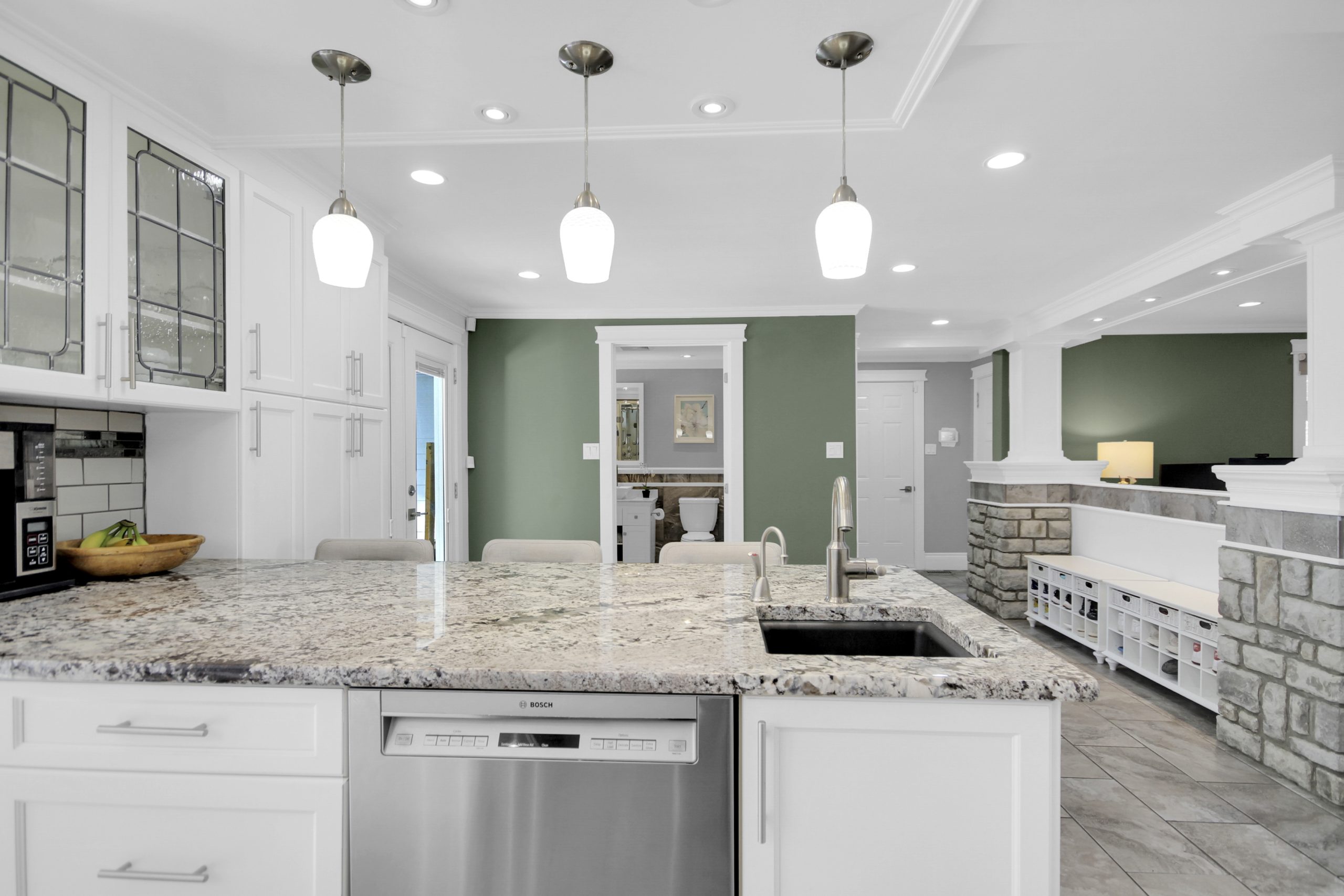
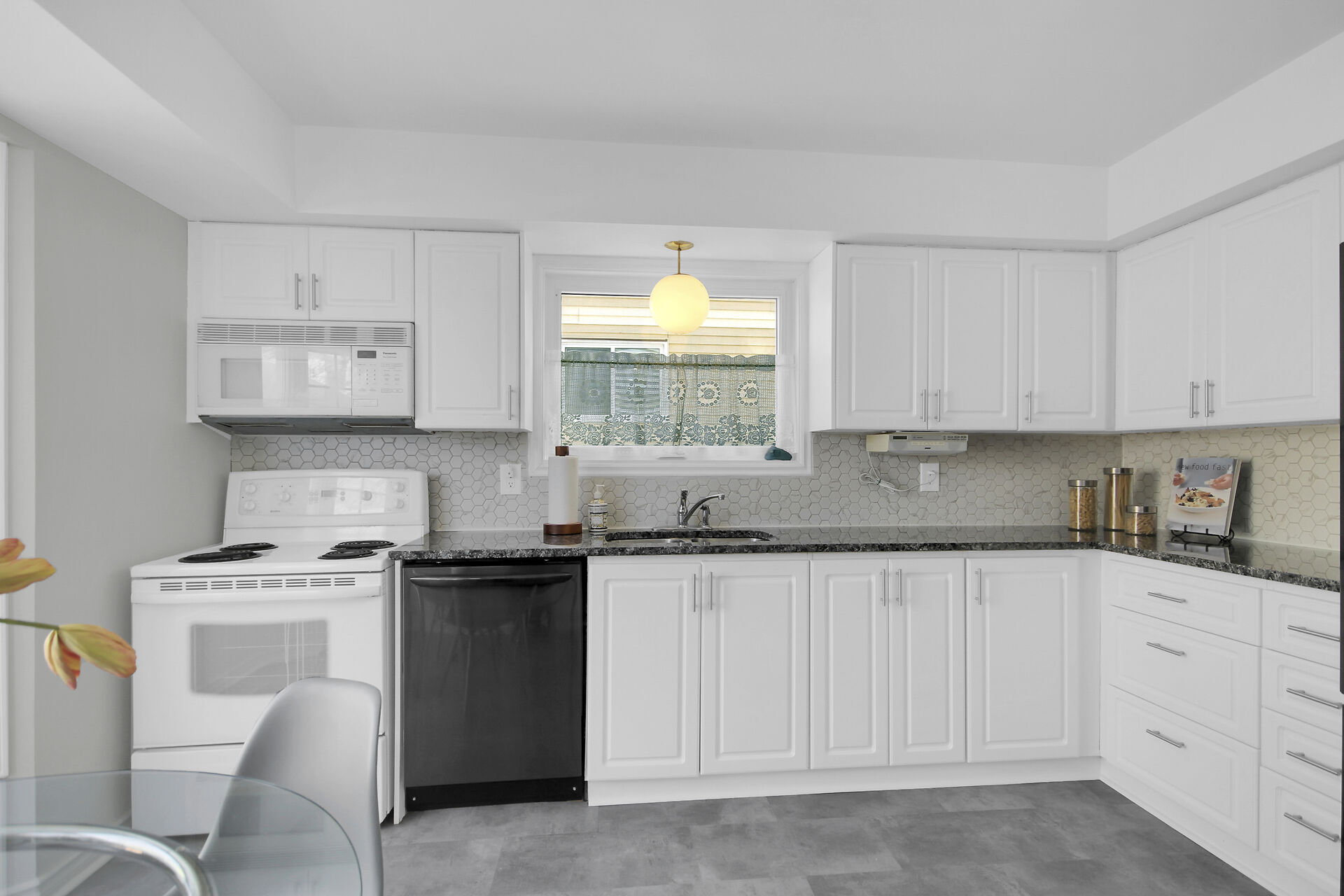
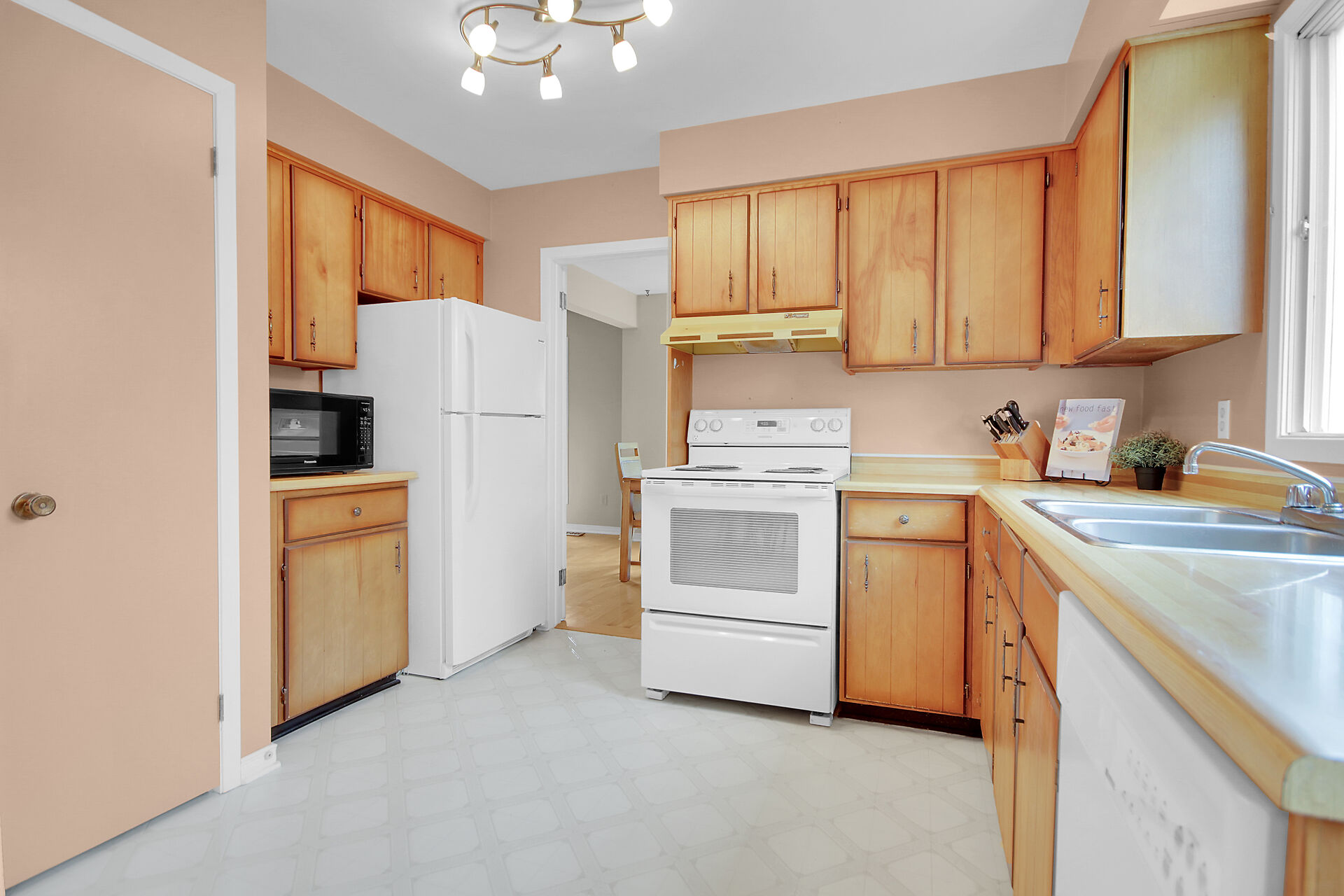
Kitchens Have Huge Transformation Potential

The kitchen is often where buyers see the greatest opportunity.

A dated kitchen can potentially be transformed through combinations of:

  • Cabinetry
  • Counters
  • Backsplash
  • Lighting
  • Flooring
  • Appliances
  • Island
  • Storage

But I encourage buyers to distinguish between updating the existing kitchen and completely relocating it.

Those are very different projects.

Bathrooms Can Deliver Big Visual Changes in Small Spaces

Bathrooms may be relatively small rooms, but renovation can dramatically change their appearance.

Updated:

  • Tile
  • Vanity
  • Lighting
  • Fixtures
  • Mirror
  • Storage

can transform the space.

Again, keeping plumbing locations relatively similar may help control complexity compared with completely redesigning the room.

Don’t Automatically Replace Hardwood

Older Westboro, Bells Corners, and Nepean homes may contain hardwood that looks tired but still has considerable potential.

Depending on condition, refinishing may restore it beautifully.

Original flooring can also contribute to the character of an established property.

Before replacing everything, determine what can be preserved.

Think Carefully Before Removing Character

Modernization doesn’t need to mean stripping every traditional feature from a home.

Fireplaces, trim, built-ins, doors, and other details may contribute to the property’s identity.

I encourage buyers to ask:

Will removing this actually improve the home, or am I removing something that future buyers might value too?

The strongest renovations often combine modern functionality with existing character.

Heritage Considerations Should Never Be Assumed Away

Not every older home is a designated heritage property.

But if you’re considering a property with heritage status or one located within a Heritage Conservation District, renovation planning can involve additional requirements.

The City of Ottawa notes that alterations affecting designated heritage properties or properties within Heritage Conservation Districts may require municipal heritage approval, including certain additions, window changes, and other exterior alterations.

If a property has heritage considerations, understand them before purchasing based on a specific renovation vision.

Think About Trees Before Planning an Addition

Mature trees are often one of the greatest benefits of established neighbourhoods.

They can also influence renovation planning.

If you’re considering an addition, detached structure, or major exterior project, existing trees and applicable protection requirements may need consideration.

The mature landscaping that makes you love the property should be part of the renovation plan, not an afterthought.

Don’t Over-Improve for the Neighbourhood

This is one of the most important financial conversations I have with renovation buyers.

You may have the budget to create an extremely high-end property.

That doesn’t automatically mean you should.

If the finished home becomes dramatically more expensive than surrounding properties, recovering every dollar spent may be difficult.

I encourage buyers to balance:

Personal enjoyment

with

neighbourhood context and future resale.

You should create a home you love, but understand the market around it.

Renovate for Broad Functionality

Some improvements tend to make a property easier for a wide range of people to enjoy.

Examples can include:

  • Functional kitchen
  • Good storage
  • Improved bathrooms
  • Quality flooring
  • Better lighting
  • Finished living space
  • Practical home office

Highly specialized renovations can still be worthwhile if they matter to you.

But they may have a narrower audience when you eventually sell.

Don’t Expect Every Renovation Dollar Back

Renovations can improve comfort, functionality, appearance, and marketability.

That does not mean every dollar spent will automatically increase the resale price by the same amount.

I encourage buyers to think about renovation as a combination of:

Lifestyle value + property improvement + possible resale benefit.

That is much healthier than assuming every project is an investment with a guaranteed return.

Living Through Renovations Is Part of the Cost

Renovation isn’t purely financial.

There is also disruption.

You may deal with:

  • Dust
  • Noise
  • Contractors
  • Deliveries
  • Temporary kitchens
  • Unusable bathrooms
  • Changing timelines

Some buyers enjoy watching a property transform.

Others quickly discover they hate living around construction.

Be honest about which person you are.

Consider Renovating in Stages

Not every project needs to happen immediately after closing.

A phased approach may look like:

Phase One: Paint, lighting, flooring, cleaning and minor repairs.

Phase Two: Kitchen and bathrooms.

Phase Three: Basement or larger structural projects.

Phase Four: Exterior improvements and landscaping.

Living in the property before completing major renovations can also teach you how the home actually functions.

Your priorities may change.

A Home Inspection Becomes Especially Valuable

When buying a property specifically because you intend to renovate, understanding existing condition becomes extremely important.

I want buyers to know whether their renovation budget is likely to be spent primarily on improvements they want—or repairs they didn’t expect.

There is a big difference between spending $30,000 because you want a beautiful new kitchen and unexpectedly redirecting that money toward major building systems.

Knowledge helps protect the renovation plan.

Look at Previous Renovations Too

A home may already have been renovated several times.

I want buyers to consider:

  • Quality of workmanship
  • Consistency
  • Whether structural changes appear professional
  • Available documentation
  • Permit history where relevant

A previous renovation isn’t automatically an advantage.

Quality matters.

Don’t Forget the Exterior

Renovation-minded buyers often focus entirely on the interior.

But the exterior can require significant investment too.

Look at:

  • Roof
  • Siding or masonry
  • Windows
  • Doors
  • Deck
  • Driveway
  • Drainage
  • Landscaping

A beautiful interior renovation doesn’t eliminate exterior maintenance.

Parking Can Be More Valuable Than Another Cosmetic Upgrade

This is particularly worth considering in established neighbourhoods.

If parking is limited, it can affect everyday convenience and potentially future buyer appeal.

Before becoming obsessed with interior possibilities, make sure the property’s practical features work for you.

Renovation Potential Should Support Your Lifestyle

The best renovation isn’t necessarily the most dramatic.

It’s the one that solves actual problems.

Maybe you need:

  • Better kitchen flow
  • Dedicated office
  • Additional bathroom
  • Finished basement
  • More storage
  • Improved connection to the backyard

Those changes can significantly improve everyday living without completely rebuilding the house.

Westboro, Bells Corners, or Nepean: Which Is Right for a Renovation Buyer?

Each can provide different opportunities.

Westboro

I would consider Westboro for buyers who place a high value on location, walkability, established character, mature streets, and proximity to central Ottawa—and who may be willing to renovate to obtain the property they want in that setting.

Bells Corners

I would explore Bells Corners with buyers who appreciate established residential areas, mature outdoor space, practical housing styles, and the opportunity to modernize an existing property.

Nepean

I would consider the broader Nepean area for buyers who want a wide range of established housing styles, neighbourhood choices, and renovation possibilities while remaining well connected to Ottawa.

My Renovation-Potential Checklist

When I help buyers evaluate a property, I want them thinking about the whole picture:

  • Is the location right?
  • Is the lot useful?
  • Does the basic footprint work?
  • Is the structure in reasonable condition?
  • What major systems need attention?
  • Which improvements are cosmetic?
  • Which improvements are structural?
  • Are the renovation ideas realistically permitted?
  • What is the likely budget?
  • Is there room for unexpected expenses?
  • Can the work happen in stages?
  • Will the finished home suit the neighbourhood?
  • Would I still want this property if renovation costs increase?

That last question is especially important.

Final Thoughts

Buying a home with renovation potential in Westboro, Bells Corners, or Nepean can be an exciting way to create a property that feels uniquely yours.

But successful renovation buying starts long before the contractor arrives.

It starts with choosing the right house.

I encourage buyers to prioritize the features that are difficult to change: location, lot, structure, natural light, parking, neighbourhood, and basic footprint.

Then we evaluate what can realistically be improved.

A dated kitchen can become beautiful.

Older flooring can be replaced or restored.

A tired bathroom can be transformed.

An unfinished basement may become valuable living space.

But structural problems, unrealistic expansion plans, zoning limitations, and an inadequate renovation budget can change the entire experience.

When I help clients search in Westboro, Bells Corners, Nepean, Kanata, Stittsville, Barrhaven, Manotick, Richmond, Carp, Almonte, Arnprior, Carleton Place, Mississippi Mills, and throughout the Ottawa region, I don’t want them simply buying a fixer-upper because it looks like a bargain.

I want them buying a property where the existing fundamentals and realistic renovation possibilities work together.

The right renovation property isn’t necessarily the house that needs the most work.

It’s the house where the right work can unlock the most potential for the lifestyle you want to create.

No Comments

How I Help Growing Families Decide When It Is Time to Leave Their Starter Home in Kanata, Barrhaven, and Stittsville

A starter home can be the perfect place for the beginning of a family’s journey. It may be the first property a couple buys together, the home where children are brought home for the first time, or the place where years of important memories are created.

But eventually, many families reach a point where the home that once felt perfect starts feeling a little too small.

Bedrooms begin to fill up. Storage becomes harder to manage. The dining room turns into a home office. Toys seem to spread into every room. The backyard that once felt spacious starts to feel limited. And suddenly, the question becomes difficult to ignore:

Is it time to move?

When I work with growing families in Kanata, Barrhaven, and Stittsville, I often find that the decision to leave a starter home is much more emotional than people expect. The family may love the neighbourhood. Children may be attached to their school or friends. The mortgage may feel comfortable. There may also be uncertainty about whether buying a larger home is financially realistic.

My role is to help families step back from the emotion and look at the situation clearly.

I don’t believe every family should automatically move the moment a house starts feeling crowded. Sometimes reorganizing, renovating, or finishing a basement can solve the problem. Other times, the home has simply reached the limit of what it can reasonably provide.

Here is how I help families determine whether it is time to leave their starter home and begin searching for the next one.

I Start by Asking What Is No Longer Working

The first question I ask isn’t:

“How big of a house do you want?”

It is:

“What is making your current home difficult?”

This distinction matters.

A family may think they need another 1,000 square feet when what they really need is one additional bedroom and better storage.

Another family may have enough interior space but desperately need a larger backyard.

Someone else may simply need a dedicated office so the kitchen table can become a kitchen table again.

I help families identify the actual problems before we start searching for solutions.

Common concerns include:

  • Children sharing bedrooms
  • Not enough bathrooms
  • Lack of storage
  • No dedicated home office
  • Small backyard
  • Limited parking
  • No finished basement
  • Poor layout for family life
  • Not enough entertaining space

Once we know exactly what the problem is, we can determine whether moving is really necessary.

Your Starter Home May Still Have More Potential

Before recommending a move, I always consider whether the existing property can reasonably evolve.

Sometimes the home has untapped potential.

For example, a family might be able to:

  • Finish the basement
  • Convert a spare area into an office
  • Improve storage
  • Reconfigure furniture
  • Renovate a bathroom
  • Create better outdoor living space

If relatively manageable improvements solve the problem, moving may not be necessary yet.

But I also believe in being realistic.

If the family needs four bedrooms and the house has two with no practical expansion options, organizing the closets better is not going to solve the real issue.

The House Should Support Your Life, Not Control It

One sign that a starter home may have been outgrown is when the family spends a significant amount of energy working around the property.

Maybe every room serves several unrelated functions.

Perhaps the dining room is also an office, homework station, storage area, and play space.

Maybe seasonal belongings are stored in bedrooms because there is nowhere else to put them.

If daily life constantly requires creative compromises, the house may no longer be supporting the family properly.

A home should make life easier.

Bedroom Needs Change as Children Grow

Young children may happily share a bedroom.

As they grow, privacy and individual space can become more important.

I encourage families to think ahead rather than waiting until the situation becomes uncomfortable.

If two children share a room today, ask:

Will this still work in three years? Five years?

A larger home may provide enough flexibility to avoid another move shortly afterward.

Bathrooms Can Become a Bigger Issue Than Expected

One bathroom may work perfectly for a young couple.

Add two or three children and the morning routine can become very different.

Families often realize they need:

  • Second full bathroom
  • Ensuite
  • Main-floor powder room

These additions can significantly improve daily life.

If adding another bathroom to the existing home would be complicated or expensive, moving may start making more sense.

Storage Problems Are Often a Sign of Growth

Families naturally accumulate belongings.

There are:

  • Strollers
  • Sports equipment
  • Seasonal clothing
  • Bikes
  • Toys
  • School supplies
  • Holiday decorations

A starter home that once had plenty of storage can eventually feel completely overwhelmed.

Before moving, I help families determine whether the issue can be solved through organization or whether the house genuinely lacks sufficient storage.

Home Offices Have Changed Housing Needs

Remote and hybrid work have changed the way many families use their homes.

A property purchased before working from home became common may not have been designed with dedicated offices in mind.

Families may find themselves working from:

  • Dining tables
  • Bedrooms
  • Basements
  • Kitchen counters

That can work temporarily.

Over time, a dedicated workspace may become essential.

When helping families search for their next home, I often prioritize flexible rooms that can function as offices without sacrificing bedrooms.

The Backyard Can Be Part of the Decision

When children are very young, even a small backyard may seem perfectly adequate.

As children grow, outdoor space can become more valuable.

Families may want room for:

  • Play equipment
  • Trampoline
  • Pool
  • Garden
  • Patio
  • Outdoor dining
  • Pets

If outdoor living is an important part of your lifestyle, the size and usability of the property should be considered carefully.

Parking Can Become More Important Over Time

A single driveway space may have been enough when the starter home was purchased.

Eventually there may be:

  • Two vehicles
  • Work vehicles
  • Visiting relatives
  • Teen drivers

Parking that once seemed adequate may become frustrating.

Garage space can also become increasingly useful for bikes, tools, sports equipment, and seasonal storage.

Think About the Next Ten Years, Not the Next Two

This is one of the most important conversations I have with growing families.

When buying the next home, I don’t want them solving only today’s problem.

The objective should be finding something that can adapt reasonably well over the next several years.

I ask buyers to think about:

  • Future children
  • Teenagers
  • Home offices
  • Aging parents
  • Guests
  • Storage
  • Hobbies
  • Pets

A home that has enough flexibility can prevent another move sooner than expected.

Why Kanata Works Well for Move-Up Families

Kanata continues to be a natural destination for families moving beyond their starter home.

Many buyers appreciate its combination of family-oriented neighbourhoods, recreation, shopping, employment, schools, and different housing options.

For families already living in Kanata, upgrading may not require leaving the community at all.

Moving Within Kanata Can Reduce Disruption

This can be a major advantage.

If children are already comfortable with their school, friends, sports, and routines, moving within Kanata may provide more space without completely changing family life.

Parents may also maintain familiar:

  • Commuting routes
  • Shopping
  • Healthcare
  • Recreation

Sometimes the easiest move is a larger home only a few neighbourhoods away.

Kanata Offers Different Levels of Housing

A family may have started in:

  • Condo
  • Townhome
  • Smaller detached home

Their next purchase may be a larger detached property with:

  • Additional bedrooms
  • Finished basement
  • Double garage
  • Larger yard
  • Home office

That progression can allow the family to gain space while remaining within a community they already enjoy.

Why Barrhaven Appeals to Growing Families

Barrhaven is another community where families can potentially move through different stages of homeownership without leaving the broader area.

Its housing variety can allow families to move from smaller properties into homes that better support their changing needs.

Family Functionality Is Important in Barrhaven

When helping move-up buyers search here, I pay particular attention to practical features.

I look at:

  • Bedroom count
  • Bathroom layout
  • Kitchen size
  • Basement
  • Garage
  • Storage
  • Backyard

A beautiful home is important.

But a family home has to work at 7:30 on a weekday morning.

Function matters.

Barrhaven’s Amenities Can Simplify Family Life

Busy families often spend a lot of time moving between:

  • School
  • Work
  • Groceries
  • Sports
  • Recreation
  • Appointments

Living close to everyday amenities can save time.

When comparing homes, I encourage buyers to consider not only the property but how the location affects the family’s weekly routine.

Why Stittsville Is Popular With Move-Up Buyers

Stittsville can be particularly appealing to families searching for modern housing, additional space, outdoor recreation, and a strong community environment.

Families moving from smaller homes may find properties with features better aligned with their current stage of life.

Depending on the property, this might include:

  • Larger bedrooms
  • Open kitchens
  • Office
  • Finished basement
  • Double garage
  • More outdoor living space

Staying in Stittsville Can Preserve Community Connections

Like Kanata and Barrhaven, many families already living in Stittsville don’t necessarily want to leave.

They may simply need a different house.

Moving within the community can allow children to keep familiar friends and activities while giving the household the extra space it needs.

That can make the transition significantly easier.

Don’t Move Just Because Everyone Else Is

There can be pressure around upgrading.

Friends buy larger homes.

Neighbours move.

Families start wondering whether they are supposed to do the same.

I never recommend moving simply because it feels like the expected next step.

The current home may still work perfectly.

A larger mortgage, more maintenance, and higher monthly expenses do not automatically create a better lifestyle.

Move when the change solves real problems.

Financial Readiness Is Just as Important as Space

Wanting more room and being financially prepared to purchase it are separate questions.

Before searching seriously, I encourage families to understand:

  • Current home value
  • Mortgage balance
  • Available equity
  • Comfortable monthly payment
  • Expected closing costs
  • Moving costs
  • Future maintenance

A move-up home should still leave the household with enough financial flexibility to enjoy life.

Don’t Spend Every Dollar the Bank Will Lend You

Mortgage qualification indicates how much financing may be available.

It doesn’t automatically tell you what monthly payment will feel comfortable.

Families still need room in the budget for:

  • Childcare
  • Activities
  • Vacations
  • Repairs
  • Savings
  • Emergencies

I would rather help a family buy a home they can comfortably enjoy than one that leaves them financially stretched every month.

Understand What Your Current Home Could Sell For

The decision to upgrade often depends heavily on equity.

Before making assumptions, I help homeowners understand how their property compares with current market activity.

That means looking at:

  • Recent sales
  • Competing listings
  • Property condition
  • Updates
  • Location

A realistic estimate of the current home’s market position gives the family a much clearer foundation for planning.

Preparing the Starter Home Can Affect the Next Purchase

The stronger the sale of the current property, the better positioned the family may be for the next move.

Before listing, I help homeowners identify which preparation makes sense.

That may include:

  • Decluttering
  • Minor repairs
  • Painting
  • Cleaning
  • Landscaping
  • Furniture adjustments

I don’t automatically recommend major renovations.

The goal is to present the property effectively without overspending before leaving.

Sell First or Buy First?

This is one of the biggest questions move-up families face.

There is no single correct answer.

Selling First

Selling first gives the family certainty about how much equity is available.

That can make budgeting for the next purchase easier.

The challenge is needing to find a new home before the sale closes.

Buying First

Buying first provides certainty about where the family will move.

But it can create additional financial pressure if the current home takes longer than expected to sell.

I consider:

  • Market conditions
  • Family finances
  • Risk tolerance
  • Housing availability
  • Closing flexibility

before helping clients determine which approach makes more sense.

Sometimes the Right Next Home Takes Time to Find

Move-up buyers often have more specific requirements than first-time buyers.

They may need:

  • Four bedrooms
  • Particular school area
  • Specific lot
  • Double garage
  • Home office
  • Finished basement

The more specific the requirements, the smaller the pool of suitable homes.

I don’t want families selling their current home without considering how difficult the next property might be to find.

Don’t Buy More Space Than You Need

Growing families sometimes go from feeling cramped to overcorrecting.

They begin searching for the largest house their budget allows.

I encourage them to focus on usable space.

A well-designed 2,300-square-foot home may serve a family better than a much larger property with awkward rooms.

You pay to:

  • Buy
  • Heat
  • Cool
  • Furnish
  • Maintain

every extra square foot.

Make sure it adds genuine value to your life.

A Finished Basement Can Change the Equation

Before deciding that a home is too small, look carefully at the basement.

If it is unfinished but suitable for future development, it may provide the additional space needed for:

  • Recreation
  • Office
  • Guest room
  • Gym
  • Storage

In some cases, improving the current home may delay the need to move.

In other situations, the basement still won’t solve the main problem.

Every family is different.

Renovation vs. Moving

Sometimes the real decision isn’t whether to move.

It’s whether to renovate.

I help homeowners compare:

Option A: Invest in the existing property

versus

Option B: Sell and purchase something better suited

Factors include:

  • Renovation cost
  • Available space
  • Lot limitations
  • Location
  • Disruption
  • Future resale
  • Long-term needs

If the renovation creates the home the family wants, staying can make perfect sense.

If the renovation would still leave major compromises, moving may offer better long-term value.

Children’s Schools Can Influence Timing

Families often hesitate to move because they don’t want to disrupt school.

That’s understandable.

I encourage parents to think about:

  • Current school
  • Future school
  • Transportation
  • Children’s friendships
  • Timing during the academic year

There is rarely a perfectly disruption-free moment.

But planning can make the transition easier.

Family Commutes Can Change Too

When the starter home was purchased, perhaps one parent worked downtown.

Years later, employment may be completely different.

One person may work in Kanata.

Another may work remotely.

Children may have activities throughout the city.

The best location today may not be the same location that made sense when the first home was purchased.

That’s why I reevaluate commute and daily routine from scratch.

Your Next Home Should Solve More Than One Problem

When moving, I want the new property to provide a meaningful improvement.

If the only difference is one extra bedroom but the family loses:

  • Location
  • Schools
  • Backyard
  • Financial flexibility

then the move may not represent a true upgrade.

I look for homes that improve several aspects of the family’s life simultaneously.

Look for Flexible Rooms

Families change.

A room may serve as:

  • Nursery today
  • Office later
  • Teen bedroom
  • Guest room

Flexible layouts can provide excellent long-term value.

I often prefer a home with versatile spaces over one where every room has a highly specific use.

Think About Teenagers Before You Have Teenagers

If your children are young, it can be difficult to imagine how differently the home will function when they are older.

Teenagers may want:

  • Privacy
  • Separate hangout space
  • Additional bathroom access
  • Storage
  • Parking eventually

A finished basement or second family room may become far more valuable later than it seems today.

Multi-Generational Living Is Worth Considering

Some families may eventually support parents or relatives.

That doesn’t necessarily mean you need a complete in-law suite today.

But a flexible basement, guest room, or main-floor bathroom can create possibilities later.

Thinking ahead can increase the useful lifespan of the next home.

Outdoor Space Should Match Your Actual Lifestyle

Families often request a huge backyard.

I ask what they plan to do with it.

If the answer includes:

  • Pool
  • Sports
  • Gardening
  • Pets
  • Entertaining

then extra space may genuinely matter.

If the family rarely spends time outdoors, paying a premium for an enormous yard may not be necessary.

Again, the goal is fit—not simply more.

The Emotional Side of Leaving a Starter Home

This is easy to underestimate.

The starter home may contain enormous sentimental value.

It’s where:

  • Children took first steps
  • Birthdays were celebrated
  • Holidays happened
  • Family traditions began

Selling can feel surprisingly emotional.

I never dismiss that.

A family can love a home deeply and still recognize that it no longer supports the next stage of life.

Moving forward doesn’t erase those memories.

I Help Families Create a Clear Decision Framework

When clients are unsure whether it is time to move, I often suggest evaluating four areas.

Space

Does the current home provide enough functional room?

Lifestyle

Does the location and property still support daily life?

Finances

Can the family comfortably afford the next step?

Future

Will the current home still work several years from now?

If several of these areas are no longer working, it may be time to begin exploring options.

Signs Your Starter Home May Still Work

Moving may not be necessary if:

  • Storage can be improved
  • Basement can provide additional living space
  • Family still fits comfortably
  • Location remains ideal
  • Financially, staying provides meaningful advantages

There is nothing wrong with staying in a starter home longer than expected.

The right decision is the one that supports your family.

Signs It May Be Time to Move

A larger home may be worth considering when:

  • Bedrooms are no longer adequate
  • The family needs additional bathrooms
  • Working from home is difficult
  • Storage is permanently overwhelmed
  • Outdoor space doesn’t support your lifestyle
  • Renovations cannot reasonably solve the problems
  • You expect to need substantially more space soon

The goal isn’t to wait until everyone is completely frustrated.

Planning ahead usually creates more options.

Kanata, Barrhaven, or Stittsville for the Next Move?

Each community can support growing families differently.

Kanata may be especially attractive for families wanting extensive west-end amenities, recreation, employment access, and opportunities to move into larger homes without leaving the broader community.

Barrhaven offers family-oriented neighbourhoods, extensive everyday amenities, recreation, and housing choices that can work through several stages of homeownership.

Stittsville can appeal to families looking for more room, modern layouts, strong community atmosphere, outdoor recreation, and convenient access to Ottawa’s west end.

The best choice depends on where your family actually lives its life.

Final Thoughts

Deciding when to leave a starter home in Kanata, Barrhaven, or Stittsville isn’t about reaching a certain age, income, or family size.

It comes down to whether your current home still supports the way you live.

A starter property can be wonderful for many years. But eventually, your family’s needs may change faster than the house can.

You may need another bedroom.

You may want more bathrooms.

You may need dedicated workspaces, better storage, a larger backyard, more parking, or a layout that simply makes family life easier.

When I help growing families throughout Kanata, Barrhaven, Stittsville, Nepean, Manotick, Richmond, Carp, Westboro, Bells Corners, Arnprior, Almonte, Carleton Place, Mississippi Mills, and the broader Ottawa region, my goal isn’t to convince them to move.

It’s to help them answer one question clearly:

Will staying or moving give our family the better next five to ten years?

Once that answer becomes clear, the real estate decision usually becomes much easier.

No Comments

What Buyers Should Consider Before Moving From Ottawa to Carp, Richmond, and Mississippi Mills

For some buyers, finding the right home eventually means expanding the search beyond the neighbourhoods they originally considered.

A buyer may begin looking in Kanata, Stittsville, Barrhaven, Nepean, or Manotick, only to realize that what they really want is something different: more outdoor space, fewer nearby neighbours, room for a workshop, a larger backyard, a quieter setting, or simply a lifestyle that feels less urban.

That is when places such as Carp, Richmond, and Mississippi Mills often enter the conversation.

I understand the attraction.

These areas can offer buyers a very different experience from living in more densely developed parts of Ottawa. But I also remind clients that moving farther from the urban core is not simply a real estate decision.

It is a lifestyle decision.

The home may be larger. The property may provide more space. The surroundings may feel peaceful. But commuting, property maintenance, municipal services, internet availability, wells and septic systems, schools, recreation, shopping, and winter driving can all become more important.

When I help buyers explore Carp, Richmond, Mississippi Mills, and the surrounding Ottawa region, I want them to understand both sides of the move.

Here is what I encourage buyers to consider before deciding whether leaving a more urban part of Ottawa is the right next step.

Start With Why You Want to Move

Before looking at properties, I want to know what you’re trying to change.

Are you looking for:

  • More land?
  • More privacy?
  • A larger house?
  • A quieter community?
  • Workshop or garage space?
  • Room for children and pets?
  • A home office?
  • More connection to nature?

The clearer the objective, the easier it becomes to identify the right location.

Moving farther from Ottawa just because a property looks impressive online isn’t enough.

The new lifestyle needs to solve something that your current one doesn’t.

Don’t Assume You Need Acreage

One of the first distinctions I make with buyers is between wanting more space and wanting acreage.

They aren’t necessarily the same thing.

A family may simply want a larger backyard, more privacy, and room for a double garage.

They may not actually want several acres of grass, trees, driveway, and landscaping to maintain.

Before searching, I ask buyers to define exactly how they intend to use additional land.

If you want:

  • Large gardens
  • Workshop
  • Recreational space
  • Privacy
  • Room for pets
  • Outdoor projects

then a larger property may make sense.

If you primarily want a quieter neighbourhood and a useful backyard, you may not need nearly as much land as you initially imagined.

Carp, Richmond, and Mississippi Mills Are Not the Same Experience

Although these areas may all appear when buyers expand their search west or southwest of Ottawa, they provide very different lifestyles.

That’s why I don’t treat them as interchangeable.

A buyer who loves Carp may not necessarily want Mississippi Mills.

Someone who wants Richmond may prefer remaining within the City of Ottawa rather than moving into a separate municipality.

Understanding those differences should happen before choosing a house.

Why Buyers Consider Carp

Carp can be particularly interesting for buyers who want a rural or village-oriented atmosphere while maintaining connections to Ottawa’s west end.

For someone whose work, family, shopping, or activities are concentrated around Kanata and Stittsville, that can make Carp worth exploring.

Properties vary significantly.

A buyer may encounter village homes, rural properties, larger lots, and homes that provide substantially more outdoor space than they would typically consider in denser suburban neighbourhoods.

Carp Can Work Well for Buyers Who Want Space for Hobbies

One reason I see buyers become interested in larger properties is that their hobbies have outgrown a conventional suburban home.

They may want space for:

  • Woodworking
  • Gardening
  • Vehicle projects
  • Equipment
  • Recreational vehicles
  • Outdoor entertaining

A property that provides a workshop, additional garage space, or usable land can completely change how these activities fit into everyday life.

But I always remind buyers to verify that their intended use is actually appropriate for the specific property.

Owning more land does not mean there are no rules governing what can be done with it.

Why Richmond Can Feel Like a Comfortable Transition

Richmond can offer a different experience.

For some buyers moving from suburban Ottawa, Richmond may feel like a more gradual lifestyle change.

The community includes established areas as well as newer residential development, giving buyers the opportunity to consider different housing styles.

A family might find the additional space or community atmosphere it wants without necessarily choosing a large rural acreage.

That can be an attractive middle ground.

Richmond Buyers Should Compare Old and New Carefully

A newer Richmond home may provide:

  • Contemporary layout
  • Modern kitchen
  • Ensuite bathrooms
  • Energy-conscious construction
  • Flexible family space

An established property may offer:

  • Mature trees
  • Larger outdoor areas
  • Existing landscaping
  • Established neighbourhood character
  • Finished improvements

I encourage buyers to compare the complete property rather than automatically assuming newer means better.

Mississippi Mills Requires a Broader Mindset

Mississippi Mills is especially interesting because it is not simply one neighbourhood.

The municipality includes Almonte, Pakenham, extensive rural and agricultural areas, and smaller villages and hamlets. The municipality itself describes the area as a combination of urban, rural and agricultural communities, meaning the experience can vary significantly depending on the exact address.

That makes address-specific research particularly important.

A home in Almonte can offer a very different daily routine from a rural property elsewhere in Mississippi Mills.

Understand That You May Be Changing Municipalities

This distinction matters.

Carp and Richmond are within the City of Ottawa.

Mississippi Mills is a separate municipality in Lanark County.

That can affect the municipal services, programs, utilities, property-related procedures, and local government you interact with after moving.

Mississippi Mills even provides a dedicated moving guide covering property taxes, water, waste collection, electricity, recreation, schools, childcare, emergency services, and healthcare.

These details aren’t exciting when you’re looking at beautiful property photos, but they’re part of everyday ownership.

Test Your Commute Before You Buy

One of my strongest recommendations is simple:

Drive the commute.

Don’t rely entirely on the distance shown on a map.

If you need to travel into:

  • Downtown Ottawa
  • Kanata
  • Nepean
  • Barrhaven
  • Gatineau

test the route during the times you would actually travel.

A commute that seems perfectly reasonable on Sunday afternoon may feel very different during your normal weekday routine.

Think in Weekly Driving Hours

I like buyers to calculate commuting differently.

Instead of asking:

“How long is the drive?”

Ask:

“How many hours every week will I spend driving?”

Suppose a move adds additional driving each morning and evening.

Multiply that across five days.

Then multiply it across the year.

Suddenly, the lifestyle trade-off becomes much easier to understand.

Remote Work Can Change the Equation

For buyers working remotely or on a hybrid schedule, the calculation can look very different.

If you only commute once or twice per week, you may happily accept additional travel in exchange for:

  • Larger property
  • More privacy
  • Dedicated office
  • Outdoor space
  • Quieter surroundings

But I still encourage buyers to think about future employment.

Would the location still work if your work arrangements changed?

That is worth considering before making a long-term purchase.

Don’t Forget Everyone Else’s Commute

Parents sometimes calculate only their own drive to work.

But family travel can include:

  • School
  • Childcare
  • Sports
  • Lessons
  • Medical appointments
  • Family visits
  • Social activities

The household’s total driving pattern matters more than one person’s commute.

Winter Changes Everything

A rural or semi-rural property that feels effortless in July can require more planning in January.

Buyers should consider:

  • Driveway length
  • Snow clearing
  • Road conditions
  • Vehicle requirements
  • Ice
  • Travel time

A long private driveway can be beautiful.

It can also become another maintenance responsibility.

The question isn’t whether that is good or bad.

It’s whether you are prepared for it.

Property Maintenance Can Increase Dramatically

This is one of the biggest lifestyle changes buyers underestimate.

A larger property can mean more:

  • Grass cutting
  • Tree maintenance
  • Leaf cleanup
  • Snow removal
  • Landscaping
  • Exterior upkeep

For some people, this is exactly what they want.

They enjoy spending weekends working outside.

For others, moving from a small suburban lot to several acres can become overwhelming.

I encourage buyers to imagine maintaining the property after the excitement of moving has worn off.

Look at the Land, Not Just the House

When buying a larger property, I spend more time evaluating the land itself.

Consider:

  • Drainage
  • Slope
  • Trees
  • Sun exposure
  • Privacy
  • Driveway
  • Usable yard
  • Outbuildings

A five-acre property doesn’t necessarily provide five acres of usable recreational space.

The configuration of the land can matter as much as its total size.

Wells Require Different Thinking

Some rural properties rely on private wells rather than municipal water.

For buyers coming from suburban Ottawa, this may be completely new.

A private well should not automatically discourage you.

But it does mean understanding the system and conducting appropriate due diligence.

Buyers may need to consider:

  • Water quality
  • Water quantity
  • Well location
  • Well records
  • System condition

I want clients to understand exactly how the property receives its water before purchasing.

Septic Systems Are Another Important Difference

A rural property may also use a private septic system rather than municipal sewer service.

Again, this is normal for many rural homes.

But it changes the responsibilities of ownership.

Buyers should understand:

  • System type
  • Location
  • Age
  • Maintenance history
  • Capacity

If you plan significant renovations or an addition, the existing septic system may become particularly relevant.

Municipal Services Can Vary by Location

This is especially important when moving into Mississippi Mills.

For example, the municipality says electricity service varies by area: Almonte is generally served by Ottawa River Power Corporation, while areas outside Almonte are generally served by Hydro One, with some exceptions. Waste and recycling programs are also administered locally.

The practical lesson is simple:

Never assume services based solely on what you had at your previous Ottawa home.

Verify them for the specific address.

Internet Access Should Be Confirmed Before Buying

If you work from home, internet connectivity can be as important as electricity.

Don’t assume a beautiful rural property automatically has the internet service you require.

Confirm what is actually available at the address.

Consider your household’s needs for:

  • Video meetings
  • Streaming
  • Gaming
  • Cloud services
  • Remote work
  • Online schooling

For a remote worker, poor connectivity can turn a dream property into a daily frustration.

Cell Service Is Worth Testing Too

When visiting a rural property, take out your phone.

Check reception.

Try making a call.

If reliable mobile service is important for work or safety, test it rather than assuming.

Small practical checks can prevent large frustrations after closing.

Understand Heating and Energy Costs

A larger rural home may operate very differently from a suburban property.

Depending on the home, heating could involve different fuel or energy sources.

The building itself may also be:

  • Larger
  • Older
  • More exposed to weather

I encourage buyers to investigate historical utility information where available and understand the home’s mechanical systems.

The purchase price is only one part of affordability.

Property Taxes Need to Be Part of the Budget

Buyers sometimes focus almost entirely on mortgage payments.

Ownership costs also include:

  • Property taxes
  • Utilities
  • Insurance
  • Maintenance
  • Fuel
  • Snow removal
  • Landscaping

A property that looks affordable based solely on its purchase price may have very different ongoing expenses from your current home.

Insurance Can Be Different for Rural Properties

Property characteristics can affect insurance considerations.

Examples might include:

  • Well and septic
  • Outbuildings
  • Wood-burning appliances
  • Distance from fire protection
  • Property use

I encourage buyers to investigate insurance before closing rather than assuming the cost and coverage will match their existing Ottawa property.

Schools Matter for Families

Families moving from Ottawa should research school options before purchasing.

Don’t assume that a property is served by the school you expect based on its mailing address.

School boundaries and transportation should be verified through the appropriate school board.

If children are already settled in Ottawa schools, consider the emotional side of changing communities as well.

Healthcare Should Be Part of the Lifestyle Plan

When moving farther from your existing neighbourhood, think about where you currently access:

  • Family doctor
  • Dentist
  • Pharmacy
  • Specialists
  • Hospital care

You may decide to keep some existing providers and travel.

Or you may want to transition services closer to your new community.

Neither approach is automatically right.

The important thing is recognizing the change before moving.

Shopping Habits May Change

If you’re used to having everything within a few minutes of your Ottawa home, a different location can change how you shop.

You may begin planning errands rather than making frequent short trips.

For some people, that is easy.

Others discover they strongly value urban convenience.

Before purchasing, explore where you would regularly get:

  • Groceries
  • Pharmacy items
  • Hardware
  • Household supplies
  • Takeout

The lifestyle should work on an ordinary Tuesday, not just a beautiful Saturday afternoon.

Recreation Can Be One of the Biggest Benefits

One reason buyers choose these areas is the opportunity to spend more time outdoors.

Mississippi Mills, for example, highlights more than 20 parks as well as recreational facilities, beaches, parks and trails. The municipality also emphasizes its natural environment and recreational opportunities as part of its community identity.

For buyers who genuinely use those amenities, moving can represent a meaningful lifestyle improvement.

Larger Garages and Outbuildings Can Change What’s Possible

A buyer may not need a dramatically larger house.

They may need a different type of property.

A workshop, detached garage, shed, or additional parking can provide room for:

  • Tools
  • Bikes
  • Recreational equipment
  • Vehicles
  • Hobbies
  • Storage

These features can be particularly valuable to buyers whose interests require more space than a conventional suburban garage provides.

But Verify What You Can Actually Do

This is essential.

Don’t buy a property because you assume you can:

  • Build a workshop
  • Add a garage
  • Create a secondary dwelling
  • Run a particular business
  • Sever the land
  • Build an addition

Municipal planning and zoning rules can affect what is permitted.

Mississippi Mills specifically advises homeowners to understand zoning and building requirements before undertaking projects involving decks, accessory buildings, pools and other property improvements.

If a future project is essential to your reason for buying, investigate it before committing.

Rural Zoning Deserves Extra Attention

A large lot can create the impression that almost anything is possible.

That isn’t necessarily the case.

Agricultural, environmental, rural, residential, and other land-use considerations may affect what can happen on a property.

Mississippi Mills’ Official Plan specifically addresses growth alongside protection of environmental and rural resources.

This is why address-specific due diligence matters so much.

Consider Future Development Around the Property

A peaceful view today may not necessarily remain unchanged forever.

Before purchasing, I encourage buyers to investigate:

  • Nearby vacant land
  • Development applications
  • Road plans
  • Zoning
  • Surrounding land uses

No one can guarantee that an area will never change.

Understanding the planning context can help buyers make a more informed decision.

Don’t Assume Rural Means Completely Isolated

Some buyers imagine moving outside suburban Ottawa means giving up community.

That isn’t necessarily the case.

Carp and Richmond have distinct local identities, while Mississippi Mills combines Almonte, Pakenham and surrounding rural communities.

Mississippi Mills describes itself as having extensive rural and agricultural areas alongside a town, villages and hamlets.

The question becomes what type of community experience you prefer.

Visit More Than Once

I strongly recommend visiting an area multiple times.

Go:

  • During the week
  • On the weekend
  • In the morning
  • In the evening

Drive around without a property showing scheduled.

Explore.

A neighbourhood can feel very different depending on the time and day.

Don’t Spend the Entire Visit Inside the House

When buyers love a property, they naturally focus on it.

I deliberately encourage them to explore beyond the driveway.

Drive to the grocery store.

Find the nearest recreation facilities.

Test the commute.

Explore the surrounding roads.

See where children might participate in activities.

You’re not simply buying a house.

You’re changing your daily geography.

Think About Resale Before You Buy

Even if you expect to stay for many years, future marketability deserves consideration.

A unique rural property may be perfect for you.

But unusual characteristics can sometimes narrow the future buyer pool.

I look at factors such as:

  • Location
  • Road access
  • Property condition
  • Bedroom count
  • Lot usability
  • Garage and parking
  • Overall functionality

The most personally exciting property isn’t always the easiest one to resell.

That doesn’t mean you shouldn’t buy it.

It means you should understand what you’re buying.

Don’t Automatically Assume More Land Means Better Value

A larger property can provide tremendous lifestyle value.

But acreage is only useful if it supports what you want to do.

Five acres requiring significant maintenance may be less appealing to you than a beautifully landscaped one-acre property.

Think about usability rather than simply the number.

Think About Aging in Place

If you’re purchasing a long-term home, consider whether it will continue to work as you get older.

Questions may include:

  • Are important rooms accessible?
  • How many stairs are there?
  • How difficult is the property to maintain?
  • How long is the driveway?
  • How far are healthcare and services?

A dream property at 40 should ideally still be manageable later.

Carp May Suit Buyers Who Want Ottawa Access With a Rural Feel

I often see Carp as worth exploring for buyers who want additional space and rural character while remaining connected to Kanata and Ottawa’s west end.

It can be particularly interesting for people who want land, privacy, workshops, garages, or outdoor space without completely disconnecting from Ottawa.

Richmond Can Offer a Bridge Between Suburban and Small-Community Living

For buyers who aren’t ready for a fully rural lifestyle, Richmond can provide another option.

Depending on the property, buyers may find a family-oriented community atmosphere, newer and established housing, and more breathing room while remaining within the City of Ottawa.

For some families, that balance is exactly what they’re searching for.

Mississippi Mills Can Offer a Larger Lifestyle Change

Moving into Mississippi Mills may represent a more significant transition, particularly for buyers choosing rural properties outside Almonte.

The municipality itself emphasizes its combination of small-town character, rural landscapes, heritage, recreation and proximity to Ottawa.

For buyers actively seeking that lifestyle, it can be very appealing.

But the farther you move from the routines you’re accustomed to, the more important careful planning becomes.

My Pre-Move Checklist

Before moving from Ottawa to Carp, Richmond, or Mississippi Mills, I encourage buyers to answer these questions:

  • Why am I moving?
  • How much land do I actually need?
  • What will my commute look like?
  • How much driving will the household do?
  • Can I comfortably maintain the property?
  • What water and wastewater systems does the home use?
  • Is reliable internet available?
  • What are the heating and utility arrangements?
  • Where will I shop?
  • Where are schools and recreation?
  • What will winter maintenance involve?
  • Are my future renovation or building plans permitted?
  • Does the property still make financial sense after ongoing expenses?
  • Would I enjoy this lifestyle five or ten years from now?

If you can answer those confidently, you’re in a much stronger position to decide.

Final Thoughts

Moving from Ottawa to Carp, Richmond, or Mississippi Mills can open the door to a completely different type of homeownership.

You may gain a larger backyard, more privacy, room for a workshop, additional parking, quieter surroundings, or greater access to outdoor recreation.

But those benefits can come with different responsibilities.

You may drive farther.

You may maintain more land.

You may need to understand a well or septic system.

Snow removal could become a bigger job.

Internet and cell service may require additional investigation.

And moving into Mississippi Mills means becoming part of a separate municipality with its own services, planning framework, and community infrastructure.

None of those considerations make moving outside suburban Ottawa a bad idea.

They simply mean the decision should be made with your whole lifestyle in mind.

When I help buyers searching in Carp, Richmond, Mississippi Mills, Almonte, Kanata, Stittsville, Barrhaven, Nepean, Manotick, Bells Corners, Westboro, Carleton Place, Arnprior, and throughout the Ottawa region, I don’t want them choosing a property simply because it provides more land for the money.

I want them to find a home where the property, commute, maintenance, services, finances, community, and lifestyle all work together.

The right move isn’t necessarily the one that takes you farthest from Ottawa.

It’s the one that gives you the lifestyle you’re looking for without sacrificing the things your household genuinely needs.

No Comments

Why Bungalows Are Attracting Buyers in Manotick, Carleton Place, and Arnprior

When buyers begin searching for their next home, one property style comes up surprisingly often: the bungalow.

For some buyers, the attraction is obvious. They want fewer stairs and a home that will remain comfortable as they get older. For others, a bungalow provides something completely different—a wider floor plan, a larger lot, a substantial basement, additional privacy, or the flexibility to create space for children, guests, hobbies, or extended family.

That broad appeal is one reason I see bungalows attracting interest from very different types of buyers.

And when clients expand their search into Manotick, Carleton Place, and Arnprior, the possibilities become particularly interesting. Buyers can encounter everything from established single-storey homes on mature streets to newer properties and larger-lot bungalows with a more rural or small-community feel.

A bungalow isn’t automatically the right choice for everyone. But for buyers who value main-floor living, flexibility, accessibility, outdoor space, and long-term usability, it deserves serious consideration.

Here is what I encourage buyers to think about when considering a bungalow in Manotick, Carleton Place, or Arnprior.

The Simplicity of One-Level Living Is a Major Advantage

The most obvious bungalow advantage is also one of the most important.

Most of the essential living space is located on one level.

Depending on the property, that can mean the:

  • Kitchen
  • Living room
  • Primary bedroom
  • Additional bedrooms
  • Main bathroom
  • Dining area

are all accessible without regularly climbing a full staircase.

That simplicity can benefit buyers at almost every stage of life.

A young family may appreciate not having children constantly moving between floors.

A downsizer may want to eliminate unnecessary stairs.

A buyer thinking twenty years ahead may appreciate owning a home that can remain practical as mobility needs change.

That long-term flexibility is difficult to ignore.

Bungalows Aren’t Just for Downsizers

This is one of the biggest misconceptions I encounter.

Mention a bungalow and some people immediately imagine retirement.

But bungalow buyers can include:

  • Young couples
  • Growing families
  • Empty nesters
  • Retirees
  • Multigenerational households
  • Renovation-minded buyers

The layout can be extremely versatile.

A young family might use the basement as a recreation area.

Someone working remotely may create a lower-level office.

Empty nesters might keep the main floor for everyday living while reserving the basement for guests.

The same house can support very different lifestyles.

Bungalows Can Be Excellent for Long-Term Planning

When I help buyers choose a home, I don’t want them thinking only about what they need today.

I ask:

Could this property still work ten or fifteen years from now?

A bungalow can sometimes make that easier.

A buyer in their forties or fifties may have absolutely no difficulty with stairs today. But purchasing a property where essential rooms are already located on the main level can reduce the likelihood of needing another move solely because the home’s layout becomes inconvenient.

That doesn’t mean every bungalow is accessible.

Raised bungalows, for example, may still require stairs to reach the principal living area.

The specific floor plan matters.

Why Manotick Is Interesting for Bungalow Buyers

Manotick offers a distinctive environment for buyers looking for single-storey living.

The village setting, Rideau River surroundings, established properties, and availability of larger lots can make bungalow living here feel very different from owning a single-storey home in a denser urban neighbourhood.

There are also examples of purpose-built bungalow communities in Manotick, reflecting demand for this type of housing and lifestyle.

Manotick Can Combine Single-Level Living With Outdoor Space

For some buyers, the appeal isn’t simply avoiding stairs.

It’s combining a bungalow with more room outside.

Depending on the property, a buyer may prioritize:

  • Mature landscaping
  • Garden space
  • Outdoor entertaining
  • Privacy
  • Additional parking
  • Larger garage
  • Pool potential
  • Workshop space

That can make a Manotick bungalow particularly appealing to someone leaving a larger two-storey property who doesn’t necessarily want to give up outdoor living.

Downsizing Doesn’t Always Mean Choosing a Tiny Property

This is important.

When someone tells me they want to downsize, I ask what they actually want to reduce.

Is it:

  • Stairs?
  • Unused bedrooms?
  • Interior maintenance?
  • Overall square footage?

Or do they still want a substantial backyard and garage?

A buyer may want a smaller, easier-to-manage interior while still enjoying beautiful outdoor space.

A bungalow can potentially provide that balance.

Manotick Buyers Need to Consider Property-Specific Services

Not every Manotick property operates exactly like a suburban Ottawa home.

Depending on the location, buyers may encounter properties with private well or septic systems, particularly when looking at larger lots outside more conventionally serviced areas.

That isn’t inherently a negative.

It simply means additional due diligence may be appropriate.

If a property uses private systems, I want buyers to understand what they’re purchasing rather than making assumptions based on their previous home.

Why Carleton Place Appeals to Bungalow Buyers

Carleton Place offers another interesting environment for people searching for single-storey homes.

It can appeal to buyers who want a smaller-community lifestyle while retaining access to shopping, recreation, services, and routes toward Ottawa.

For downsizers in particular, the combination of community and housing type can be attractive.

Carleton Place’s own housing research has identified demand among older residents for housing that supports downsizing and aging in place, while also noting challenges in the supply of appropriate housing types.

That helps explain why suitable single-storey homes can be particularly meaningful to certain buyers.

Carleton Place Can Offer Different Types of Bungalows

I encourage buyers not to think of every bungalow as the same product.

Depending on availability, you may encounter:

  • Older established bungalows
  • Renovated properties
  • Newer single-storey homes
  • Larger-lot properties
  • Raised bungalows

Each offers different advantages.

An older bungalow may have mature trees and a larger established yard.

A newer property may provide contemporary finishes and modern mechanical systems.

The right choice depends on whether the buyer prioritizes character, condition, lot, location, or convenience.

Established Bungalows Can Have Excellent Renovation Potential

This is where bungalow shopping becomes particularly interesting.

An older property may initially look dated.

The kitchen might be traditional.

The flooring may need updating.

The bathroom may reflect an earlier era.

But I encourage buyers to look at the fundamentals.

A bungalow with a good footprint, useful lot, solid structure, and desirable location can offer substantial renovation possibilities.

Cosmetic appearance can change.

Location cannot.

The Wider Footprint Can Create Interesting Interior Possibilities

Because a bungalow spreads its main living space across one floor rather than stacking it vertically, the layout can feel quite different from a two-storey property.

Depending on the structure, renovation-minded buyers may see possibilities for:

  • Larger kitchen
  • Improved living and dining flow
  • Main-floor office
  • Updated primary bedroom
  • Better storage

However, I never assume walls can simply be removed.

Structural considerations need to be evaluated professionally before making major renovation plans.

Why Arnprior Is Appealing to Bungalow Buyers

Arnprior provides yet another lifestyle option.

For buyers willing to move farther into the Ottawa Valley, the community can offer a smaller-town environment while retaining Highway 417 access toward Ottawa.

Buyers may encounter both in-town properties with municipal services and homes farther outside the urban area where property characteristics and servicing can differ.

That variety can appeal to buyers who want to choose between convenience and additional space.

Arnprior Can Work Well for Buyers Leaving a Larger Ottawa Home

Imagine someone currently living in a large two-storey home in Kanata or Stittsville.

The children have moved out.

Three bedrooms are rarely used.

The basement is mostly storage.

Maintaining the property is becoming less appealing.

But the homeowner isn’t ready for a condo.

A bungalow in Arnprior may offer another option.

The buyer can potentially maintain:

  • Private entrance
  • Backyard
  • Garage
  • Guest space
  • Basement
  • Independent homeownership

while moving toward a layout that better reflects their current lifestyle.

Bungalows Can Make Downsizing Feel Less Dramatic

Some homeowners hesitate to downsize because they associate it with giving up too much.

They imagine moving from a detached family home directly into a small apartment.

That isn’t the only path.

A bungalow can provide a middle ground.

You may reduce unnecessary interior space while retaining many features associated with detached-home living.

For someone who enjoys gardening, entertaining outdoors, or having a garage, that distinction can be extremely important.

The Basement Is One of the Biggest Bungalow Advantages

Buyers sometimes look at the main-floor square footage of a bungalow and assume the property is too small.

Then we go downstairs.

A full basement underneath a bungalow’s broad footprint can provide a substantial amount of additional space. Ottawa-area bungalow guides commonly highlight lower levels as a major source of flexibility for recreation rooms, offices, bedrooms, guest areas, and other uses.

Depending on the home, the basement can dramatically change how the property functions.

A Finished Basement Can Separate Everyday and Occasional Space

This layout can work beautifully.

The main floor contains everything required for normal daily life.

The basement provides additional space when needed.

That could include:

  • Family room
  • Guest room
  • Home gym
  • Office
  • Hobby room
  • Storage

This means buyers don’t necessarily need a huge main floor to obtain useful total living space.

Multigenerational Families May See Additional Potential

Some households are thinking beyond conventional family layouts.

They may want space for:

  • Aging parents
  • Adult children
  • Long-term guests

A bungalow with an appropriate lower level may offer flexibility for multigenerational living.

However, buyers should never assume that a basement can automatically become a legal secondary dwelling.

Zoning, building, fire-safety, egress, ceiling-height, and permit requirements may apply.

If creating a secondary unit is essential to the purchase, that possibility should be investigated properly.

Basement Condition Matters

A large basement is only an advantage if it is suitable for what you want to do.

When evaluating an older bungalow, I pay attention to:

  • Moisture
  • Foundation
  • Ceiling height
  • Windows
  • Mechanical equipment
  • Layout

A beautifully renovated basement can provide tremendous functionality.

A lower level with unresolved moisture problems requires a completely different conversation.

Raised Bungalows Are Different

Not every property marketed as a bungalow provides truly step-free main-floor living.

Raised bungalows typically have an elevated main floor and a brighter lower level.

That can be excellent for buyers who value basement usability.

But someone specifically purchasing a bungalow because they want to eliminate stairs needs to examine the entrance and floor plan carefully.

The name of the housing style isn’t enough.

I focus on how the property actually functions.

Accessibility Goes Beyond Stairs

A bungalow can provide a good starting point for accessibility, but I encourage buyers to look deeper.

Consider:

  • Front entrance steps
  • Door widths
  • Hallways
  • Bathroom layout
  • Shower access
  • Laundry location
  • Garage entry

If aging in place is a major reason for purchasing the property, these details become particularly important.

Main-Floor Laundry Can Be a Major Advantage

A bungalow loses some of its one-level convenience if laundry is located only in the basement.

For younger buyers, that may not matter at all.

For someone intentionally planning for long-term accessibility, it can.

If there is no main-floor laundry, I look at whether one could reasonably be created.

A small design decision today can have considerable value later.

Bungalows Can Be Great for Families Too

A family with young children may appreciate having bedrooms and main living areas on one floor.

Parents can remain physically closer to children’s rooms without repeatedly moving between levels.

The basement can then become a separate recreation zone as children get older.

This arrangement can allow the property to evolve with the family.

Bungalows Can Work Well for Pet Owners

Dogs don’t care whether a home has trendy architectural features.

They care about getting outside.

For buyers with pets, a bungalow with convenient backyard access and a useful lot can be extremely practical.

This can become even more important as pets age and stairs become difficult for them too.

Outdoor Space Can Be a Major Part of the Appeal

Many established bungalows occupy wider lots because the house itself needs more ground area than a comparable two-storey design.

That doesn’t mean every bungalow has a large yard, but lot characteristics are worth examining closely.

In Manotick, Carleton Place, and Arnprior, buyers may find opportunities where single-storey living is paired with outdoor space that supports a very different lifestyle.

A Large Lot Isn’t Automatically Better

I always bring buyers back to usability.

Do you actually want to:

  • Cut more grass?
  • Maintain gardens?
  • Remove more snow?
  • Care for mature trees?

A beautiful half-acre property may sound wonderful.

For someone actively trying to reduce maintenance, it could defeat part of the reason for downsizing.

The right bungalow needs the right lot.

Garages Become More Important When Downsizing

When people move from a larger home into a bungalow, storage can become a concern.

A good garage can help enormously.

It may provide room for:

  • Vehicle
  • Bikes
  • Tools
  • Seasonal items
  • Gardening equipment

I encourage downsizers to think about storage before purchasing rather than discovering after moving that everything from the old house has nowhere to go.

Don’t Confuse Downsizing With Decluttering

A bungalow doesn’t automatically solve the problem of having too many belongings.

If you’re moving from a large family home, some decisions will still be necessary.

Furniture that worked in a large two-storey property may overwhelm a smaller main floor.

Planning furniture placement before moving can make the transition much easier.

Older Bungalows Need Careful Inspection

Many attractive bungalows are established homes.

That means buyers should pay attention to the same major components they would evaluate in any older property.

I want to understand the condition of the:

  • Roof
  • Foundation
  • Windows
  • Electrical
  • Plumbing
  • Heating and cooling
  • Insulation
  • Basement

Age by itself isn’t the problem.

Maintenance history matters much more.

Renovated Doesn’t Automatically Mean Updated Everywhere

A property can have a beautiful new kitchen while major systems remain older.

Fresh flooring, paint, and counters are visually impressive.

But buyers should still understand what is happening behind the finishes.

I want clients to distinguish between cosmetic renovation and fundamental property improvement.

Don’t Dismiss a Dated Bungalow Too Quickly

The opposite mistake is also common.

A buyer sees oak cabinets, older flooring, and traditional light fixtures and immediately leaves.

But if the property offers:

  • Excellent location
  • Strong layout
  • Good lot
  • Solid structure
  • Useful basement

it may deserve another look.

Cosmetic improvements are often easier than recreating the fundamental qualities of a good property.

Bungalows Can Offer Excellent Home-Office Flexibility

Not every buyer needs all the bedrooms for sleeping.

A second or third main-floor bedroom can potentially become a comfortable office.

Alternatively, a finished basement may create separation between home and work.

For remote or hybrid workers, that flexibility can make a bungalow particularly practical.

Maintenance Can Be Simpler—but Not Always

One-storey living can simplify certain aspects of home maintenance.

But buyers shouldn’t assume that every bungalow is inexpensive or effortless to maintain.

A bungalow can have a substantial:

  • Roof
  • Foundation
  • Exterior footprint

And if it sits on a large property, exterior maintenance can exceed that of a smaller two-storey suburban home.

I compare the actual property rather than relying on housing-type stereotypes.

Heating and Cooling Costs Still Need Investigation

Single-level living doesn’t automatically mean low utility bills.

Efficiency depends on:

  • Insulation
  • Windows
  • Mechanical systems
  • Air sealing
  • Home size
  • Construction

For older properties, I encourage buyers to understand what energy-related improvements have been completed.

Bungalow Buyers Should Think About Resale Too

Even buyers planning to stay for many years should consider future marketability.

One reason bungalows can attract interest is that their buyer pool may span several life stages, from families to downsizers and multigenerational households.

But resale still depends on the individual property.

Location, condition, layout, lot, parking, basement quality, and price all matter.

I never recommend assuming a property will appreciate simply because it is a bungalow.

Don’t Compare Bungalows to Two-Storey Homes on Square Footage Alone

This can be misleading.

A bungalow may appear smaller when buyers compare only above-grade living space.

But the property may also offer:

  • Wider lot
  • Larger basement footprint
  • More accessible layout
  • Different outdoor space

The question isn’t simply:

Which home has more square feet?

It is:

Which home gives me more useful space?

Manotick, Carleton Place, or Arnprior?

All three can attract bungalow buyers, but for different reasons.

Manotick

I would consider Manotick for buyers who want single-level living combined with village character, larger-property possibilities, outdoor space, and convenient connections to Ottawa’s south end.

It may particularly appeal to downsizers who want fewer stairs without giving up the feeling of owning a substantial detached property.

Carleton Place

I would explore Carleton Place with buyers who want a smaller-community environment, everyday amenities, and a variety of established and newer housing possibilities.

It can be especially interesting for people who want to downsize their home while maintaining independent detached-home living.

Arnprior

I would consider Arnprior for buyers who want an Ottawa Valley community, Highway 417 access toward Ottawa, and the opportunity to explore both established in-town properties and homes in surrounding areas.

For buyers leaving Kanata or Stittsville, Arnprior may represent a meaningful lifestyle change without abandoning westward access to Ottawa.

My Bungalow Buying Checklist

When I help buyers compare bungalows, I don’t stop at bedroom and bathroom counts. I want to understand:

  • Is the main floor truly practical?
  • Are there stairs at the entrance?
  • Is laundry on the main level?
  • Does the primary bedroom work long term?
  • Are the hallways and bathrooms comfortable?
  • Is the basement dry and usable?
  • How much storage is available?
  • Is the lot manageable?
  • What condition are the major systems in?
  • Does the garage meet your needs?
  • Are private well or septic systems involved?
  • Does the location fit your daily routine?
  • Could the property still work ten or twenty years from now?

These questions help determine whether the bungalow provides genuine long-term value for the buyer’s lifestyle.

Final Thoughts

The appeal of bungalows in Manotick, Carleton Place, and Arnprior goes far beyond avoiding stairs.

For a young family, a bungalow can provide a practical main floor and a basement that evolves as children grow.

For a remote worker, it may provide flexible office space.

For an empty nester, it can reduce unnecessary rooms while preserving the independence of detached-home ownership.

For someone thinking about aging in place, having essential living areas on one floor can become one of the property’s most valuable characteristics.

And for buyers who still want a backyard, garage, privacy, gardens, or entertaining space, a bungalow can provide an alternative to moving directly from a large two-storey home into a condo.

When I help buyers search in Manotick, Carleton Place, Arnprior, Kanata, Stittsville, Barrhaven, Nepean, Richmond, Carp, Almonte, Mississippi Mills, Westboro, Bells Corners, and throughout the Ottawa region, I don’t recommend a bungalow simply because it is a popular housing style.

I look at whether the layout, lot, location, basement, maintenance requirements, accessibility, storage, and long-term flexibility genuinely support the buyer’s plans.

The right bungalow isn’t simply a smaller house.

For many buyers, it can be a home that works more efficiently today and remains practical for whatever stage of life comes next.

No Comments

How I Help Sellers Turn Home Improvements Into Stronger Buyer Appeal in Westboro, Kanata, and Nepean

Home improvements can make a property more enjoyable to live in, but when it comes time to sell, homeowners often ask me a different question:

Will buyers actually care about the improvements I’ve made?

It is an important question because the amount spent on a renovation does not automatically translate into the same increase in a home’s selling price.

A homeowner may have invested heavily in a feature that was perfect for their lifestyle but relatively unimportant to the next buyer. Meanwhile, a much simpler improvement—fresh paint, better lighting, refinished flooring, improved storage, or a more welcoming entrance—may have a noticeable impact on how buyers experience the property.

When I help homeowners prepare to sell in Westboro, Kanata, and Nepean, my goal is not to convince them to renovate everything.

Instead, I look at what has already been improved, what still needs attention, and how we can present the property so buyers immediately understand its strongest features.

The objective is buyer appeal.

That means helping buyers see a home that feels cared for, functional, comfortable, and ready for its next chapter.

Here is how I approach home improvements when preparing a property for the market.

I Start With the Buyer, Not the Renovation

Sellers naturally think about improvements from their own perspective.

They remember choosing the flooring.

They remember comparing kitchen cabinets.

They remember the inconvenience of living through construction.

They remember how much everything cost.

A buyer doesn’t have that emotional history.

They walk into the property and ask:

Does this home work for me?

That’s why I help sellers shift the conversation away from what they spent and toward what the improvement does for the buyer.

A renovated kitchen isn’t compelling simply because it was expensive.

It is compelling because it may provide better storage, useful counter space, improved lighting, durable finishes, and a layout that supports everyday living.

That is the story we want buyers to understand.

Not Every Improvement Has the Same Market Impact

One of the biggest mistakes sellers can make is assuming every dollar invested in the property should be recovered when they sell.

Real estate doesn’t work that neatly.

Improvements can contribute to:

  • Better presentation
  • Stronger functionality
  • Reduced buyer concerns
  • Greater emotional appeal
  • Competitive positioning

But the value of each improvement depends on the home, neighbourhood, quality of work, buyer expectations, and overall market.

I prefer to look at the complete property rather than assigning an automatic return to every renovation.

Start With What Has Already Been Done

Before recommending additional work, I want to understand the home’s improvement history.

That may include:

  • Kitchen renovation
  • Bathroom updates
  • Flooring
  • Windows
  • Roof
  • Furnace
  • Air conditioning
  • Basement finishing
  • Landscaping
  • Deck
  • Electrical improvements
  • Plumbing improvements

This information helps me understand where the property may already have advantages over competing homes.

Documentation Can Strengthen the Story

If homeowners have records related to major improvements, I encourage them to organize those documents.

Depending on the project, useful information may include:

  • Approximate completion dates
  • Contractor information
  • Warranties
  • Manuals
  • Permits where applicable

The goal isn’t to overwhelm buyers with paperwork.

It is to make relevant information available and demonstrate that the seller has maintained the property thoughtfully.

Kitchens Deserve Special Attention

The kitchen is one of the areas buyers naturally examine closely.

It doesn’t necessarily need to be brand new.

What matters is whether it feels:

  • Clean
  • Functional
  • Bright
  • Well maintained
  • Appropriate for the property

A relatively simple kitchen may show beautifully when counters are clear, lighting is good, and the room feels spacious.

Conversely, an expensive kitchen can lose impact if it is cluttered and poorly presented.

Sell the Function of the Kitchen

If the kitchen has been renovated, I want buyers to understand what was improved.

Perhaps the renovation created:

  • Better storage
  • Larger island
  • More counter space
  • Improved lighting
  • Better connection to dining space

Those functional benefits often tell a stronger story than simply saying “renovated kitchen.”

Don’t Automatically Renovate a Kitchen Before Selling

This is an important distinction.

If the kitchen is functional and reasonably maintained, a full renovation immediately before selling may not be necessary.

Depending on the property, smaller improvements might make more sense.

These could include:

  • Fresh paint
  • Updated hardware
  • Improved lighting
  • Minor repairs
  • Professional cleaning

Before spending heavily, I want to understand what competing homes look like and what buyers in that particular market are likely to expect.

Bathrooms Can Influence the Overall Impression

Bathrooms are smaller spaces, but buyers pay close attention to them.

They should feel exceptionally clean and well maintained.

If a bathroom has already been renovated, presentation should highlight that work.

If it hasn’t, relatively modest improvements may sometimes make a meaningful difference.

Examples include:

  • Fresh caulking
  • Updated lighting
  • New mirror
  • Modern hardware
  • Fresh paint
  • Improved storage

Again, the objective isn’t necessarily to create a luxury bathroom.

It is to remove distractions and make the room feel cared for.

Fresh Paint Can Be Surprisingly Powerful

Paint is one of the first things I evaluate before listing.

Walls experience everyday life.

They collect:

  • Scuffs
  • Marks
  • Nail holes
  • Children’s artwork
  • Furniture damage

A fresh coat of paint can make rooms feel cleaner and brighter.

It can also help buyers focus on the home’s architecture rather than the seller’s decorating choices.

Neutral Doesn’t Have to Mean Boring

Preparing for sale doesn’t mean every home needs to become completely colourless.

The objective is broad appeal.

Strongly personalized colours can sometimes distract buyers because they immediately begin calculating how much work will be required to repaint.

A balanced, cohesive palette can make it easier for buyers to imagine their own furniture and belongings in the space.

Flooring Connects the Entire Home

Flooring has a major visual impact because it appears throughout so much of the property.

When preparing a home, I look for:

  • Heavy wear
  • Damaged areas
  • Loose flooring
  • Stained carpet
  • Inconsistent transitions

Replacement isn’t always necessary.

Hardwood, for example, may sometimes benefit from refinishing rather than removal.

The decision depends on condition and the overall property.

Don’t Remove Good Character Just to Make a Home Look New

This is particularly relevant in Westboro.

Older homes may contain features such as:

  • Original hardwood
  • Trim
  • Built-ins
  • Fireplaces
  • Traditional doors
  • Architectural details

These elements can contribute to the property’s identity.

Modernization does not always require removing everything original.

Sometimes preserving character while updating functionality creates a much more compelling home.

Why Westboro Sellers Need a Thoughtful Approach

Westboro includes a mix of established homes, renovated properties, infill development, condos, townhomes, and different architectural styles.

That means sellers need to understand what makes their particular property distinctive.

For an older Westboro home, buyers may value the combination of character and thoughtful modernization.

A seller who has updated:

  • Kitchen
  • Bathrooms
  • Mechanical systems
  • Windows
  • Insulation

while preserving attractive original details may have a strong story to tell.

Westboro Buyers May Look Beyond the Interior

Location and lifestyle can be major parts of Westboro’s appeal.

That means home improvements should support the property rather than trying to replace what already makes the location attractive.

A beautiful deck, improved backyard, thoughtful landscaping, bike storage, or functional entryway can all complement the way buyers may expect to use the home.

Outdoor Living Can Strengthen Westboro Appeal

Depending on the property, outdoor space can be particularly valuable.

A relatively modest backyard can still feel impressive if it is:

  • Clean
  • Private
  • Defined
  • Well maintained

I want buyers to see how they might actually use the space.

A simple seating area can sometimes communicate lifestyle better than an empty yard.

Why Kanata Sellers Should Focus on Family Functionality

Kanata has a wide variety of homes, from townhomes and established detached properties to newer family homes.

For many buyers, functionality is critical.

They may be looking for a home that supports:

  • Children
  • Remote work
  • Entertaining
  • Storage
  • Recreation

When preparing a Kanata property, I pay close attention to how improvements support those needs.

A Finished Basement Can Be a Major Selling Feature

If a Kanata home has a finished basement, I don’t want it treated like an afterthought.

The lower level might provide:

  • Recreation room
  • Home gym
  • Office
  • Guest area
  • Playroom

The key is presentation.

If the basement is filled with boxes and unused furniture, buyers may struggle to appreciate its potential.

Giving the space a clear purpose can make it feel like a meaningful extension of the home.

Home Offices Should Look Like Home Offices

Many households now value flexible workspaces.

If the property has a room that works well as an office, I want buyers to recognize that immediately.

That doesn’t mean building an elaborate custom workspace before selling.

A desk, chair, good lighting, and uncluttered surroundings may be enough to communicate the room’s purpose.

Storage Improvements Can Have More Value Than Sellers Expect

Storage isn’t glamorous.

But families care about it.

A beautifully renovated home can still feel impractical if every closet is overflowing.

Before listing, I encourage sellers to reduce the amount stored in:

  • Closets
  • Pantry
  • Garage
  • Basement
  • Utility rooms

Buyers often open storage areas.

When those spaces appear organized, the home feels more functional.

Garage Presentation Matters in Kanata

The garage is often ignored during home preparation.

For families, however, it can be extremely useful.

It may store:

  • Vehicles
  • Bikes
  • Sports equipment
  • Tools
  • Seasonal items

If possible, I encourage homeowners to remove unnecessary items so buyers can understand the actual size and usefulness of the garage.

Why Nepean Sellers Need Property-Specific Strategy

Nepean contains an enormous variety of housing.

A selling strategy for an older bungalow should not automatically be the same as the strategy for a newer townhome.

Depending on the neighbourhood and property, buyers may place different levels of importance on:

  • Lot size
  • Renovations
  • Basement
  • Parking
  • Major systems
  • Outdoor space

I want improvements to make sense within the context of the specific home.

Older Nepean Homes Can Benefit From System Improvements

Sometimes the most important upgrades aren’t particularly photogenic.

A seller may have invested in:

  • Roof
  • Furnace
  • Air conditioning
  • Windows
  • Electrical work
  • Plumbing

These improvements may not create the same immediate visual reaction as a new kitchen.

But they can still matter to buyers evaluating the overall condition of an established property.

Maintenance Can Be Part of Buyer Appeal

Buyers don’t only want attractive homes.

Many also want confidence that the property has been cared for.

That is why I encourage sellers to think about maintenance as part of their marketing story.

A well-maintained home can feel very different from a property where buyers immediately begin noticing deferred repairs.

Complete the Small Repairs

This is one of my biggest recommendations.

Homeowners become accustomed to small imperfections.

They stop noticing:

  • Loose handles
  • Damaged trim
  • Dripping faucets
  • Doors that don’t close properly
  • Cracked caulking
  • Missing switch plates
  • Burned-out bulbs

Buyers notice them.

Individually, these issues may be inexpensive.

Collectively, they can create the impression that the home has not been maintained carefully.

Buyers Often Mentally Multiply Repair Costs

A buyer sees several small problems and may begin wondering what else is wrong.

A minor repair can feel larger when the buyer doesn’t know the actual cost.

Completing obvious maintenance before listing can reduce unnecessary concerns.

Lighting Can Completely Change Presentation

I pay considerable attention to lighting.

A home may have beautiful improvements, but if rooms feel dark, buyers may not appreciate them.

Before listing, I look at:

  • Burned-out bulbs
  • Dated fixtures
  • Dark corners
  • Window coverings
  • Natural light

Sometimes improving lighting is one of the simplest ways to make existing renovations look better.

Natural Light Should Be Protected

Heavy curtains and furniture positioned directly in front of windows can make rooms feel darker and smaller.

Where appropriate, I encourage sellers to let natural light become part of the presentation.

This is particularly important for photography.

First Impressions Start Outside

Home improvements shouldn’t stop at the front door.

Before buyers see the kitchen, bathroom, or basement, they see the exterior.

That makes curb appeal extremely important.

I evaluate:

  • Lawn
  • Gardens
  • Walkway
  • Front steps
  • Exterior lighting
  • Front door
  • House numbers

The objective isn’t necessarily elaborate landscaping.

It is making the property feel welcoming and maintained.

Landscaping Improvements Should Look Manageable

This is an important point.

Some buyers love elaborate gardens.

Others see them and immediately think about maintenance.

When preparing a property for sale, landscaping should ideally appear attractive without feeling overwhelming.

Clean edges, trimmed plants, healthy grass where applicable, and defined outdoor spaces can create a strong impression.

Decks and Patios Should Show a Lifestyle

If you’ve invested in a deck or patio, make sure buyers understand why it matters.

Outdoor furniture can help show how the area might be used for:

  • Dining
  • Relaxing
  • Entertaining

You aren’t simply selling boards or stone.

You’re showing buyers what life could look like there.

Don’t Over-Renovate Immediately Before Selling

This is one of the most important pieces of advice I give homeowners.

The fact that something could be improved doesn’t mean it should be improved before listing.

A major renovation can involve:

  • Significant expense
  • Construction delays
  • Unexpected problems
  • Design decisions buyers may not share

Sometimes the better strategy is to price the home appropriately and allow the next owner to renovate according to their preferences.

Focus on Improvements With Broad Appeal

If work is required before selling, I generally prefer improvements that make the home easier for many different buyers to appreciate.

That can include:

  • Paint
  • Lighting
  • Flooring repairs
  • Minor maintenance
  • Cleaning
  • Landscaping
  • Storage organization

Highly personalized improvements may not deliver the same broad impact.

Don’t Renovate for One Imaginary Buyer

Sellers sometimes create a very specific picture of who will purchase their home.

They renovate around that imagined person.

I prefer flexibility.

A bedroom could work for:

  • Child
  • Guest
  • Office

A basement could support:

  • Recreation
  • Fitness
  • Work
  • Entertainment

Allowing buyers to see several possibilities can broaden appeal.

Decluttering Helps Improvements Stand Out

If you spent money renovating the kitchen, don’t hide the counters under appliances.

If you installed beautiful hardwood, don’t cover most of it with oversized furniture.

If you created built-in storage, don’t fill every shelf.

Decluttering isn’t about making the home feel empty.

It is about allowing the property’s features to become visible.

Furniture Placement Can Change Perceived Space

Sometimes a room feels small because the furniture is too large or poorly positioned.

I may recommend:

  • Removing a chair
  • Repositioning a sofa
  • Opening a walkway
  • Simplifying a bedroom

These changes cost very little but can dramatically improve how buyers understand the floor plan.

Cleaning Is an Improvement Too

Professional-level cleanliness can sometimes have more impact than another decorative upgrade.

I want buyers noticing:

  • Kitchen
  • Natural light
  • Flooring
  • Layout

not dust, fingerprints, or stained grout.

Before listing, attention should be given to areas homeowners may overlook, including:

  • Baseboards
  • Windows
  • Appliances
  • Light fixtures
  • Bathrooms
  • Floors

A clean home feels better maintained.

Odours Can Undermine Everything Else

A beautifully renovated property can still create a negative impression if buyers notice strong odours.

Pets, cooking, smoke, dampness, or heavily scented products can all affect the showing experience.

The objective should be a home that smells clean and neutral—not artificially perfumed.

Photography Has to Showcase the Improvements

Today, many buyers experience the home online before they ever visit it.

That means improvements need to translate into photographs.

Before photography, I want:

  • Counters clear
  • Lights working
  • Beds made
  • Floors visible
  • Window coverings adjusted
  • Outdoor areas tidy

The goal is to make the improvements easy to understand even on a phone screen.

Every Important Improvement Needs Context

A photograph can show a renovated bathroom.

It cannot necessarily tell buyers that the windows were replaced or the furnace was updated.

That’s where property marketing becomes important.

Relevant improvements should be communicated clearly without turning the listing into an overwhelming inventory of every repair ever completed.

Pricing Still Matters More Than Renovation Pride

This can be a difficult conversation.

A homeowner may have invested significantly in renovations.

Naturally, they want those improvements reflected in the sale price.

But pricing still needs to consider:

  • Location
  • Property type
  • Size
  • Lot
  • Condition
  • Comparable sales
  • Competing listings

Renovations are part of the property’s value proposition.

They don’t exist separately from the market.

Avoid Pricing Based on What You Spent

Suppose a homeowner purchased a property and later spent heavily customizing it.

The selling price cannot simply be calculated as:

Purchase price + renovation cost = current value.

Some improvements may contribute substantially to buyer appeal.

Others may primarily have provided lifestyle value to the homeowner.

I help sellers look at the property from the market’s perspective.

The Best Improvements Remove Buyer Objections

One way I evaluate pre-listing improvements is to ask:

What would a buyer complain about?

Maybe the answer is:

“The house feels dark.”

“The walls need painting.”

“The backyard looks neglected.”

“The carpet is badly worn.”

If a manageable improvement removes a common objection, it may be worth considering.

Don’t Hide Problems

Preparing a property for sale should improve presentation.

It should never mean disguising material problems.

If there is an issue that requires professional attention, it should be handled appropriately.

Good presentation and honest representation need to work together.

Renovation Quality Matters

Buyers may be impressed by renovation at first glance.

But workmanship matters.

Poorly installed flooring, uneven tile, unfinished trim, or questionable alterations can create concerns.

If unfinished renovation work remains, completing it properly before listing may be worthwhile.

A half-finished project can sometimes be more distracting than an older but functional room.

Consistency Helps a Home Feel Finished

One challenge with homes renovated over many years is that every room may reflect a different design period.

The kitchen is contemporary.

The living room is traditional.

One bedroom has modern flooring.

Another has older carpet.

You don’t necessarily need to renovate everything.

Sometimes simple elements such as paint, lighting, hardware, and consistent styling can visually connect the spaces.

Think About the Buyer Walking Through the Home

I like sellers to imagine the showing experience from beginning to end.

What does the buyer see first?

What room comes next?

Where does attention naturally go?

Is there somewhere the home suddenly feels cluttered or unfinished?

Strong presentation should feel consistent throughout the property.

Westboro, Kanata, and Nepean Require Different Emphasis

Although the same preparation principles apply everywhere, I adjust the strategy to the property and community.

Westboro

In Westboro, I may focus more heavily on preserving character, highlighting thoughtful renovations, maximizing natural light, presenting outdoor space effectively, and showing how the home fits an urban lifestyle.

Kanata

In Kanata, family functionality may deserve greater emphasis. Kitchens, storage, home offices, basements, garages, and backyards can all become important parts of the story.

Nepean

In Nepean, the strategy depends heavily on the property type and neighbourhood. Established homes may benefit from highlighting both cosmetic improvements and major system updates while demonstrating the flexibility of the home’s layout and lot.

I Prioritize Before Recommending Spending

When sellers ask what they should improve, I generally organize recommendations around four priorities:

  1. Repair anything obviously broken or distracting.
  2. Refresh areas that look unnecessarily tired.
  3. Simplify rooms through decluttering and furniture adjustments.
  4. Showcase the strongest improvements already completed.

That sequence helps prevent sellers from spending money simply because they feel they need to “do something.”

Sometimes the Best Recommendation Is to Stop Renovating

Yes, there is such a thing as doing too much before selling.

If the home already presents well, another major project may add unnecessary expense and delay.

There comes a point where the best strategy is no longer renovation.

It is:

Prepare it. Price it. Market it.

Knowing when you’ve reached that point matters.

My Pre-Listing Improvement Checklist

Before a home in Westboro, Kanata, or Nepean goes to market, I want to evaluate the following:

  • What improvements have already been completed?
  • Are major upgrades documented?
  • Are there unfinished projects?
  • Are obvious repairs needed?
  • Does the paint photograph well?
  • Are floors in good condition?
  • Does the kitchen feel clean and functional?
  • Are bathrooms showing well?
  • Is lighting adequate?
  • Is storage organized?
  • Does the basement have a clear purpose?
  • Does the garage look useful?
  • Is the exterior maintained?
  • Are the deck and backyard presented effectively?
  • Does the home feel consistent?
  • Are we considering any improvement that costs more than its likely marketing benefit?

The goal isn’t perfection.

It is making thoughtful decisions.

Final Thoughts

Home improvements can absolutely strengthen buyer appeal, but successful selling isn’t about creating the most renovated house possible.

It is about helping buyers recognize the value that is already there.

A renovated kitchen should feel functional.

Updated bathrooms should feel clean and comfortable.

A finished basement should show buyers how the additional space can improve everyday life.

New windows, roofing, heating, cooling, electrical, or plumbing improvements should help communicate that the property has been cared for.

And simpler improvements—paint, lighting, decluttering, repairs, cleaning, landscaping, and furniture placement—can help all of those larger investments stand out.

When I help homeowners prepare to sell in Westboro, Kanata, Nepean, Stittsville, Barrhaven, Manotick, Bells Corners, Richmond, Carp, Arnprior, Almonte, Carleton Place, Mississippi Mills, and throughout the Ottawa region, my goal isn’t to create an expensive renovation checklist.

It’s to identify what will help buyers understand the home more clearly.

Sometimes that means completing an improvement.

Sometimes it means repairing something small.

Sometimes it means reorganizing a room.

And sometimes it means recognizing that the seller has already done enough.

The strongest pre-listing strategy isn’t necessarily the one that spends the most money.

It’s the one that makes the home’s best qualities easier for buyers to see, understand, and appreciate.

No Comments

How I Help First-Time Homebuyers Find Hidden Opportunities in Kanata, Nepean, and Barrhaven

Buying your first home is one of life’s biggest milestones. It’s exciting, rewarding, and often a little overwhelming. For many first-time buyers, the process starts with endless online searches, open houses, mortgage calculators, and questions about where to begin. While it’s easy to focus on finding the perfect property, I’ve learned that the biggest opportunities often aren’t the homes everyone is talking about—they’re the ones that many buyers overlook.

Every year, I help first-time homebuyers discover properties in Kanata, Nepean, and Barrhaven that offer outstanding value, long-term potential, and the lifestyle they’re looking for. Hidden opportunities aren’t necessarily hidden because they’re secret. They’re hidden because many buyers don’t know where to look, what to prioritize, or how to recognize value beyond a home’s first impression.

As an Ottawa Realtor, my goal isn’t simply to help clients buy a house. My goal is to help them make a smart investment, avoid costly mistakes, and purchase a home they can feel confident about for years to come.

If you’re preparing to buy your first home in Kanata, Nepean, or Barrhaven, here’s how I help buyers uncover opportunities that many people miss.


Why First-Time Buyers Often Feel Overwhelmed

Buying your first home comes with a steep learning curve.

Many buyers begin their search using terms like:

  • Realtor near Kanata
  • Ottawa Realtor
  • Houses for sale Ottawa
  • Property listings near me
  • House listings near me
  • Houses for sale Ottawa under $500,000
  • Houses for sale Ottawa under $600,000

While online searches provide plenty of listings, they rarely explain which properties offer the best long-term value or why one neighbourhood may be a better fit than another.

First-time buyers often worry about:

  • Paying too much
  • Choosing the wrong neighbourhood
  • Missing out on better opportunities
  • Unexpected expenses
  • Future resale value

These concerns are completely normal, and my role is to guide buyers through each step with clear advice and local market knowledge.


What I Mean by “Hidden Opportunities”

Many people assume hidden opportunities mean finding homes that are significantly below market value.

In reality, hidden opportunities come in many forms.

Sometimes it’s a home that’s priced fairly but overlooked because it needs cosmetic updates.

Sometimes it’s a neighbourhood that’s beginning to grow in popularity.

Other times it’s simply recognizing long-term potential where other buyers only see short-term imperfections.

Some of the opportunities I help buyers identify include:

  • Homes with strong layouts but outdated décor
  • Properties that need simple cosmetic improvements
  • Well-maintained homes that receive less attention due to timing
  • Growing neighbourhoods with strong long-term appeal
  • Homes with expansion potential
  • Properties that offer excellent value compared to nearby communities

Recognizing these opportunities requires experience and local market knowledge.


Why Kanata Offers Excellent Opportunities for First-Time Buyers

Kanata continues to be one of Ottawa’s most popular communities, and for good reason.

Families, professionals, and first-time buyers are attracted to:

  • Excellent schools
  • Employment opportunities
  • Recreation facilities
  • Parks and trails
  • Shopping centres
  • Restaurants
  • Strong community atmosphere

Many buyers assume Kanata is out of their price range.

However, I regularly help buyers discover opportunities that fit a variety of budgets.


Looking Beyond the Newest Homes

Many buyers automatically search for brand-new construction.

While newer homes have many advantages, older homes in established Kanata neighbourhoods often provide excellent value.

These properties may offer:

  • Larger lots
  • Mature trees
  • Bigger driveways
  • Spacious floor plans
  • Established communities

Simple cosmetic updates can often transform these homes while keeping the overall investment within budget.


Considering Different Property Types

Not every first-time buyer needs to purchase a detached home immediately.

Kanata offers a variety of options including:

  • Condominiums
  • Stacked townhomes
  • Traditional townhouses
  • Semi-detached homes

Choosing the right property type often allows buyers to enter the market sooner while building equity for future upgrades.


Finding Hidden Value in Nepean

Nepean remains one of Ottawa’s most diverse and established communities.

One of the things I appreciate most about Nepean is the variety of housing available.

Buyers can explore:

  • Bungalows
  • Split-level homes
  • Townhouses
  • Condominiums
  • Detached family homes

This diversity creates opportunities for buyers with different budgets and lifestyle goals.


Mature Neighbourhoods Often Offer More Than Buyers Expect

Many first-time buyers initially focus on newer subdivisions.

However, mature Nepean neighbourhoods frequently provide:

  • Larger yards
  • Quiet streets
  • Mature landscaping
  • Established schools
  • Convenient access throughout Ottawa

These features often become increasingly valuable over time.


Looking Beyond Cosmetic Details

One of the biggest mistakes first-time buyers make is focusing too heavily on paint colours, flooring, or décor.

Cosmetic features can be changed.

Location, layout, and lot size cannot.

When touring homes, I encourage buyers to focus on:

  • Floor plan
  • Structural condition
  • Natural light
  • Storage
  • Future renovation potential

Looking beyond surface details often reveals opportunities that other buyers overlook.


Why Barrhaven Is Full of Opportunities

Barrhaven continues to attract a steady stream of first-time buyers because it offers:

  • Family-oriented neighbourhoods
  • Modern developments
  • Recreation facilities
  • Shopping
  • Schools
  • Parks

Many buyers appreciate Barrhaven’s balance between affordability and lifestyle.


New Construction Isn’t the Only Option

Barrhaven has experienced significant growth, but resale homes can sometimes provide better value than brand-new properties.

Established homes may include:

  • Finished basements
  • Landscaping
  • Decks
  • Fencing
  • Window coverings
  • Appliances

These features can save buyers thousands of dollars after moving in.


Looking at the Bigger Picture

When evaluating homes in Barrhaven, I encourage buyers to think beyond today’s needs.

Questions we discuss include:

  • Will this home still work in five years?
  • Is there room for a growing family?
  • Does the neighbourhood support your lifestyle?
  • How easy will resale be in the future?

Buying with long-term goals in mind often leads to better decisions.


Why Timing Matters

One of the biggest myths in real estate is that buyers need to perfectly time the market.

In reality, finding the right home is usually more important than perfectly predicting future market movements.

Instead of waiting endlessly for “the perfect time,” I help buyers focus on:

  • Budget
  • Long-term affordability
  • Lifestyle
  • Property quality

The right home purchased for the right reasons often becomes an excellent long-term investment.


Mortgage Pre-Approval Creates More Opportunities

Before we begin touring homes, I always recommend obtaining mortgage pre-approval.

This provides several advantages.

Buyers gain:

  • A clear budget
  • Greater confidence
  • Faster decision-making
  • Stronger negotiating position

Knowing exactly what you can comfortably afford helps narrow the search and prevents unnecessary disappointment.


Looking Beyond the Asking Price

Many buyers assume asking price reflects actual market value.

That’s not always the case.

When evaluating a property, I help buyers consider:

  • Recent comparable sales
  • Property condition
  • Neighbourhood trends
  • Future improvements
  • Long-term resale potential

Sometimes a home listed slightly above another property actually offers much better value.


Common Mistakes First-Time Buyers Make

Throughout my career, I’ve seen several common mistakes.

Falling in Love Too Quickly

Emotion is part of buying a home, but important decisions should remain balanced with practical considerations.


Ignoring Future Needs

Your first home should support not only your current lifestyle but also your future plans.


Focusing Only on Cosmetics

Paint colours are easy to change.

Location is not.


Stretching the Budget Too Far

Buying comfortably often creates a much better long-term experience than purchasing at the absolute limit of affordability.


Overlooking Resale Value

Even if you plan to stay for many years, thinking about future resale remains important.


Why Local Knowledge Makes a Difference

Kanata, Nepean, and Barrhaven each have their own unique market dynamics.

Understanding:

  • Buyer demand
  • Neighbourhood growth
  • School locations
  • Future development
  • Community amenities

helps buyers recognize opportunities they might otherwise miss.

This local knowledge often creates confidence throughout the buying process.


Helping Buyers Feel Confident

One of the most rewarding parts of my job is seeing first-time buyers receive the keys to their new home.

Many begin the process feeling uncertain.

By the end, they understand:

  • The market
  • Their options
  • Their budget
  • Their neighbourhood
  • Their investment

That confidence is just as valuable as the home itself.


Final Thoughts

Buying your first home in Kanata, Nepean, or Barrhaven doesn’t have to feel overwhelming. Hidden opportunities exist in every market, but recognizing them requires preparation, patience, and a clear understanding of what creates long-term value.

Whether it’s an established home with renovation potential, a growing neighbourhood, or a property that offers more than meets the eye, the best opportunities are often found by looking beyond the obvious.

If you’re searching for your first home in Kanata, Nepean, Barrhaven, Stittsville, Richmond, Carp, Manotick, Almonte, Mississippi Mills, Carleton Place, Arnprior, Bells Corners, Westboro, or anywhere throughout the Ottawa region, I’d love to help you navigate the process, uncover hidden opportunities, and find a home that fits both your lifestyle and your future.

No Comments

Why More Families Are Choosing Stittsville, Carp, and Richmond for Their Forever Home

Finding a forever home is about much more than buying a house. It’s about finding a place where your family can grow, build memories, celebrate milestones, and enjoy everyday life for years to come. While many buyers begin their search by focusing on square footage or price, I’ve found that the families who are happiest in the long run are the ones who choose a community that truly matches their lifestyle.

Over the past several years, I’ve noticed a growing trend among homebuyers throughout the Ottawa region. More families are looking beyond the city core and discovering everything that Stittsville, Carp, and Richmond have to offer. These communities combine spacious homes, welcoming neighbourhoods, excellent amenities, and a peaceful lifestyle while still providing convenient access to Ottawa.

As a Realtor working throughout the Ottawa area, I’ve had the privilege of helping many families make this transition. Time and again, I hear the same thing after they’ve settled into their new home: “We wish we had made the move sooner.”

If you’re thinking about buying your forever home, here’s why so many families are choosing Stittsville, Carp, and Richmond and why these communities continue to grow in popularity.


What Makes a Forever Home Different?

When buying a starter home, buyers often focus on immediate needs.

A forever home is different.

Instead of asking:

  • Can we afford it?
  • Does it have enough bedrooms?

Families begin asking bigger questions.

They want to know:

  • Will this home work for us in ten years?
  • Is there room for our family to grow?
  • Will we enjoy this neighbourhood long-term?
  • Does this community offer the lifestyle we want?

These questions often lead buyers toward communities like Stittsville, Carp, and Richmond.

A forever home isn’t simply about the property itself. It’s about creating a life that supports your family’s future.


Why More Families Are Looking Beyond Downtown Ottawa

Years ago, many buyers wanted to be as close as possible to Downtown Ottawa.

Today, priorities have changed.

Many families now value:

  • Larger homes
  • Bigger yards
  • Dedicated home offices
  • Outdoor living
  • Quiet streets
  • Community atmosphere
  • Better work-life balance

The rise of remote and hybrid work has also made longer commutes less of a concern for many households.

Rather than living close to the office, families are focusing on living where they truly want to spend their time.


Why Stittsville Continues to Attract Families

Stittsville has become one of Ottawa’s fastest-growing and most desirable family communities.

Despite its growth, it has maintained the welcoming atmosphere that originally attracted so many residents.

Families appreciate that Stittsville offers both modern conveniences and a genuine sense of community.


Modern Homes Designed for Today’s Families

Many homes in Stittsville were built with modern family living in mind.

Buyers often find:

  • Open-concept layouts
  • Spacious kitchens
  • Finished basements
  • Home office space
  • Large primary bedrooms
  • Attached garages
  • Functional family rooms

These features support the way families live today.

Whether children are doing homework, parents are working remotely, or everyone is gathering together at the end of the day, modern layouts provide flexibility and comfort.


A Strong Sense of Community

One of the biggest reasons families fall in love with Stittsville is the community itself.

Residents enjoy:

  • Local events
  • Community festivals
  • Sports organizations
  • Walking trails
  • Parks
  • Farmers’ markets
  • Recreation facilities

These amenities create opportunities for families to build relationships and become active members of the community.


Excellent Amenities Close to Home

Families don’t have to sacrifice convenience when moving to Stittsville.

The community offers:

  • Grocery stores
  • Restaurants
  • Coffee shops
  • Fitness facilities
  • Medical services
  • Shopping
  • Excellent schools

Everything needed for everyday life is close by.


Why Carp Is Perfect for Families Wanting More Space

For buyers dreaming about larger properties and quieter surroundings, Carp continues to stand out.

Located just west of Kanata, Carp offers a unique combination of rural charm and convenient city access.

Many families choose Carp because they want room to breathe.


Larger Lots Create Greater Possibilities

One of Carp’s biggest advantages is space.

Many properties feature:

  • Large lots
  • Acreage
  • Private backyards
  • Detached workshops
  • Oversized garages
  • Custom homes

Families appreciate having room for:

  • Children to play
  • Outdoor entertaining
  • Gardening
  • Recreational activities
  • Future additions

Instead of feeling crowded, homeowners enjoy greater flexibility.


A Peaceful Lifestyle

Life in Carp moves at a comfortable pace.

Many families are attracted by:

  • Quiet roads
  • Scenic countryside
  • Open green space
  • Fresh air
  • Natural surroundings

For buyers looking to escape heavy traffic and busy neighbourhoods, Carp offers a refreshing alternative.


Community Traditions That Bring People Together

Carp is well known for its strong community spirit.

Popular local attractions include:

  • The Carp Farmers’ Market
  • Community festivals
  • Seasonal events
  • Local businesses

These traditions help create lasting relationships among residents and contribute to the welcoming atmosphere that makes Carp so appealing.


Why Richmond Continues to Grow

Richmond has become one of Ottawa’s fastest-growing villages.

Families are increasingly discovering that Richmond provides an excellent balance between affordability, convenience, and lifestyle.

Its location offers easy access to Ottawa while maintaining the charm of a close-knit community.


More Home for Your Investment

Many families are pleasantly surprised by what they can purchase in Richmond.

Compared to more densely populated areas, buyers often find:

  • Larger detached homes
  • Newer construction
  • Bigger yards
  • Additional bedrooms
  • Finished basements
  • Spacious layouts

This allows families to invest in a home that supports their future without making unnecessary compromises.


Family-Friendly Neighbourhoods

Richmond has become especially attractive for young families.

The community offers:

  • Quiet residential streets
  • Parks
  • Schools
  • Recreation programs
  • Local businesses
  • Community events

Parents appreciate the safe, welcoming environment and the opportunities for children to become involved in local activities.


Space Has Become One of the Most Valuable Features

One trend I continue to see among buyers is the increasing importance of space.

Families now prioritize:

  • Home offices
  • Guest rooms
  • Recreation rooms
  • Larger kitchens
  • Outdoor entertaining areas

A forever home should be flexible enough to evolve as life changes.

Communities like Stittsville, Carp, and Richmond provide many opportunities to find homes that can adapt to future needs.


Outdoor Living Has Never Been More Important

Families are spending more time outdoors than ever before.

Many buyers specifically want:

  • Decks
  • Patios
  • Gardens
  • Backyards
  • Walking trails
  • Parks

The ability to enjoy outdoor space has become a significant factor when choosing a home.

All three communities offer excellent opportunities to embrace outdoor living.


Schools and Recreation Play a Major Role

When helping families choose a neighbourhood, I encourage them to think beyond the home itself.

Important considerations include:

  • Schools
  • Recreation facilities
  • Parks
  • Sports programs
  • Libraries
  • Community centres

These amenities contribute to everyday quality of life and often enhance long-term property value.


Planning for the Future

Buying a forever home means thinking well beyond today’s needs.

Questions I often discuss with clients include:

  • Will this home still work in ten years?
  • Is there room for aging parents?
  • Could we work from home here?
  • Is there space for future hobbies?
  • Will this neighbourhood continue meeting our needs?

Thinking long-term helps families make confident decisions.


Why Community Matters

One of the most rewarding parts of helping families relocate is seeing how much they value community after they’ve moved.

Many buyers tell me they appreciate:

  • Friendly neighbours
  • Local events
  • Safe streets
  • Community pride
  • Family activities

These qualities often become just as important as the home itself.


Common Reasons Families Move

Many of the families I work with are moving because they’ve simply outgrown their current home.

Common reasons include:

  • Expanding families
  • Working remotely
  • Limited storage
  • Small backyards
  • Desire for more privacy
  • Lifestyle changes

Moving to Stittsville, Carp, or Richmond often provides solutions to many of these challenges.


How I Help Families Find Their Forever Home

Every family’s definition of a forever home is different.

That’s why I begin every search by learning about:

  • Lifestyle goals
  • Budget
  • Family plans
  • Daily routines
  • Long-term objectives

Rather than simply showing available listings, I focus on matching families with communities that truly fit the way they want to live.

The goal isn’t just finding a beautiful home.

It’s finding the place where your family can build its future.


Final Thoughts

More families are choosing Stittsville, Carp, and Richmond because these communities offer something increasingly valuable: room to grow, a strong sense of community, excellent amenities, and a lifestyle that supports long-term happiness.

Stittsville combines modern family living with outstanding community spirit. Carp provides space, privacy, and peaceful surroundings. Richmond offers affordability, convenience, and the welcoming atmosphere of a growing village.

A forever home is about much more than square footage or finishes. It’s about finding a place where your family can truly feel at home for years to come.

If you’re considering buying a home in Stittsville, Carp, Richmond, Kanata, Nepean, Barrhaven, Manotick, Almonte, Mississippi Mills, Carleton Place, Arnprior, Westboro, Bells Corners, or anywhere throughout the Ottawa region, I’d be happy to help you find the right community and the perfect home to begin your next chapter.

No Comments

My Guide to Selling a Home Faster in Westboro, Bells Corners, and Nepean Without Leaving Money on the Table

Selling a home is one of the biggest financial decisions most homeowners will ever make. Naturally, almost every seller wants two things: to sell quickly and to get the best possible price. Many people believe those two goals can’t happen at the same time. They assume that if they want a fast sale, they’ll have to accept less money, or if they want top dollar, they’ll need to wait for months.

In my experience, that simply isn’t true.

I’ve helped homeowners throughout Westboro, Bells Corners, and Nepean successfully sell their homes by focusing on preparation, pricing, presentation, and a well-planned marketing strategy. The goal isn’t to rush a sale. The goal is to create enough buyer interest that the home sells efficiently while protecting the seller’s financial interests.

Every neighbourhood attracts different buyers, every property tells a different story, and every market has its own opportunities. That’s why I never believe in a one-size-fits-all approach. Instead, I create a customized strategy designed around the home, the neighbourhood, current market conditions, and the seller’s goals.

If you’re thinking about selling your home in Westboro, Bells Corners, or Nepean, here’s how I help homeowners sell confidently without leaving money on the table.


Why Selling Quickly Doesn’t Mean Selling Cheap

One of the biggest misconceptions in real estate is that a fast sale automatically means accepting a lower price.

In reality, homes that are properly prepared and strategically priced often sell faster because they immediately attract the right buyers.

When buyers recognize value, they tend to act more confidently.

On the other hand, homes that sit on the market for extended periods often begin attracting questions like:

  • Why hasn’t it sold?
  • Is something wrong with it?
  • Will the seller reduce the price?

The longer a home remains unsold, the more negotiating power often shifts toward buyers.

This is why my focus is always on creating strong momentum from day one.


Understanding Today’s Buyers

Today’s buyers are well informed.

Before scheduling a showing, many have already:

  • Compared similar listings
  • Reviewed neighbourhood prices
  • Looked at previous sales
  • Evaluated market conditions
  • Researched schools and amenities

Most buyers begin by searching:

  • Ottawa Realtor
  • Realtor near me
  • Houses for sale Ottawa
  • House listings near me
  • Property listings near me

By the time they walk through your front door, they’ve already developed expectations.

Meeting and exceeding those expectations is one of the best ways to generate strong interest.


Why Westboro Continues to Attract Premium Buyers

Westboro remains one of Ottawa’s most desirable neighbourhoods.

Buyers are attracted to its unique lifestyle, including:

  • Walkable streets
  • Local cafés
  • Restaurants
  • Boutique shopping
  • Ottawa River pathways
  • Transit access
  • Vibrant community atmosphere

Because Westboro attracts buyers looking for both lifestyle and location, presentation becomes especially important.

Many buyers here aren’t simply purchasing a house.

They’re investing in the neighbourhood experience.

When preparing homes in Westboro, I focus heavily on highlighting both the property and the lifestyle that comes with it.


Selling Successfully in Bells Corners

Bells Corners continues to appeal to buyers looking for convenience and value.

Its location offers quick access to:

  • Kanata
  • Nepean
  • Downtown Ottawa
  • Major transportation routes

Many buyers appreciate:

  • Mature neighbourhoods
  • Established trees
  • Functional layouts
  • Affordable detached homes

Homes in Bells Corners often attract first-time buyers, growing families, and investors.

That means clear pricing and strong presentation are essential.


Why Nepean Continues to Be a Strong Market

Nepean remains one of Ottawa’s most established residential communities.

Buyers are drawn to:

  • Larger lots
  • Mature landscaping
  • Excellent schools
  • Recreation facilities
  • Convenient access across Ottawa

Many homes in Nepean have been lovingly maintained for decades.

When preparing these properties for sale, my goal is to preserve their character while presenting them in a way that appeals to today’s buyers.


Preparation Always Comes First

Before discussing price or marketing, I begin by preparing the property.

Preparation is often the single biggest factor influencing buyer perception.

Together, we evaluate:

  • Overall condition
  • Maintenance items
  • Cosmetic improvements
  • Storage organization
  • Furniture placement
  • Exterior appearance

Small improvements frequently create significant results.


Decluttering Helps Buyers See the Home

One of the easiest ways to improve buyer perception is reducing visual clutter.

Buyers want to imagine themselves living in the home.

Too many personal belongings can make that difficult.

I encourage sellers to:

  • Remove unnecessary furniture
  • Organize storage areas
  • Clear countertops
  • Simplify décor
  • Maximize natural light

Creating clean, open spaces allows buyers to focus on the home’s best features.


First Impressions Begin Before Buyers Walk Inside

Curb appeal remains incredibly important.

The exterior creates expectations before buyers ever enter the home.

Simple improvements often include:

  • Fresh landscaping
  • Trimmed shrubs
  • Clean walkways
  • Fresh mulch
  • Pressure washing
  • Updated exterior lighting

These details immediately communicate that the home has been well cared for.


Pricing Strategically Instead of Emotionally

Many homeowners naturally believe their home is worth more than market value.

While emotional attachment is understandable, buyers evaluate homes differently.

I develop pricing strategies using:

  • Recent neighbourhood sales
  • Active competition
  • Property condition
  • Current buyer demand
  • Local market trends

The goal isn’t simply choosing a number.

The goal is positioning the property where buyers recognize outstanding value.

That often leads to stronger interest and better negotiating opportunities.


Professional Photography Makes a Difference

The majority of buyers begin their home search online.

If the listing doesn’t capture their attention immediately, they often move on to the next property.

Professional photography helps:

  • Generate more online views
  • Increase showing requests
  • Highlight natural light
  • Showcase room flow
  • Present the property professionally

Strong photography is one of the most effective marketing investments a seller can make.


Every Room Should Have a Purpose

One mistake I often see is rooms being used for multiple unrelated purposes.

Buyers appreciate clarity.

Each room should clearly communicate its intended function.

Whether it’s:

  • A home office
  • Guest bedroom
  • Family room
  • Dining room

buyers should immediately understand how the space can improve their lifestyle.


Highlighting Lifestyle, Not Just Features

Buyers rarely purchase a home based solely on square footage.

They imagine:

  • Family dinners
  • Weekend barbecues
  • Morning coffee
  • Children’s birthdays
  • Holiday celebrations

My marketing focuses on helping buyers imagine themselves living there.

That emotional connection often becomes one of the strongest selling tools.


Flexibility During Showings Helps

Making a home easy to show often increases buyer interest.

The more buyers who view the property, the greater the opportunity for strong offers.

Whenever possible, I encourage flexible showing availability.

Convenience helps maximize exposure during the important first days on the market.


Negotiating Without Leaving Money Behind

Receiving an offer is only part of the process.

Successful negotiation involves evaluating:

  • Purchase price
  • Financing
  • Conditions
  • Closing dates
  • Overall strength of the offer

The highest price isn’t always the best offer.

Sometimes stronger terms provide greater certainty and a smoother transaction.

My role is helping sellers evaluate every aspect before making decisions.


Common Mistakes That Cost Sellers Money

Throughout my career, I’ve seen several avoidable mistakes.

Overpricing the Home

Many sellers believe they can “test the market.”

Unfortunately, overpriced homes often lose momentum quickly.


Skipping Small Repairs

Minor maintenance issues can create larger concerns for buyers.


Ignoring Presentation

Presentation directly influences perceived value.


Using Poor Listing Photos

Low-quality photography reduces online interest immediately.


Making Decisions Emotionally

Successful sales are based on strategy, not emotion.


Why Local Knowledge Matters

Westboro, Bells Corners, and Nepean each attract different buyer demographics.

Understanding:

  • Local pricing
  • Buyer expectations
  • Neighbourhood demand
  • Community amenities
  • Recent market activity

helps create more effective selling strategies.

Every neighbourhood tells a different story.

Local expertise allows that story to be communicated effectively.


How I Help Sellers Feel Confident

Selling a home involves many moving parts.

My goal is to simplify the process by providing clear communication, practical advice, and guidance from beginning to end.

From preparing the property to reviewing offers and coordinating closing, I help sellers stay informed and confident throughout every stage of the transaction.


Final Thoughts

Selling your home in Westboro, Bells Corners, or Nepean doesn’t have to mean choosing between a fast sale and a strong price. With the right preparation, strategic pricing, professional marketing, and thoughtful negotiation, it’s possible to achieve both.

Every home has unique strengths, and every seller has different goals. By understanding today’s buyers and presenting your property in the best possible way, you can maximize your home’s value while creating the conditions for a successful sale.

If you’re thinking about selling in Westboro, Bells Corners, Nepean, Kanata, Stittsville, Barrhaven, Richmond, Carp, Manotick, Almonte, Mississippi Mills, Carleton Place, Arnprior, or anywhere throughout the Ottawa region, I’d be happy to help you develop a personalized selling strategy that protects your investment and helps you move forward with confidence.

No Comments

What I Look for When Helping Buyers Choose Between Almonte, Carleton Place, and Mississippi Mills

Buying a home is one of the biggest investments most people will ever make, but one question often comes before choosing the home itself:

“Which community is right for me?”

I hear this question from buyers all the time, especially those looking beyond Ottawa’s city limits. Many people know they want more space, a quieter lifestyle, or better value, but they’re unsure whether Almonte, Carleton Place, or Mississippi Mills is the best place to put down roots.

The truth is that all three communities offer incredible opportunities, but they each provide a different lifestyle. There isn’t one “best” choice for everyone. Instead, my job is to help buyers find the community that best matches their goals, budget, family needs, and long-term plans.

As an Ottawa Realtor, I don’t simply help clients find houses. I help them choose communities where they’ll feel at home for years to come. That’s why I spend just as much time discussing neighbourhoods, lifestyle, and future plans as I do touring available properties.

If you’re deciding between Almonte, Carleton Place, and Mississippi Mills, here’s exactly what I look for before recommending one community over another.


I Always Start With Lifestyle Before Looking at Homes

Many buyers begin by asking to see listings.

I begin by asking questions.

Before opening a single property listing, I want to understand:

  • Why are you moving?
  • What does your ideal day look like?
  • Do you work from home?
  • How important is commuting?
  • Are you planning to grow your family?
  • Do you enjoy outdoor activities?
  • What type of neighbourhood feels most comfortable?

The answers often determine which community will be the best fit long before we begin looking at homes.

A house can always be renovated.

Choosing the right lifestyle starts with choosing the right community.


Understanding Why Buyers Are Leaving Ottawa’s Core

Over the last several years, I’ve seen more buyers expand their searches outside Downtown Ottawa.

Many are looking for:

  • More living space
  • Larger backyards
  • Better work-life balance
  • Quieter neighbourhoods
  • Family-friendly communities
  • Better long-term value

Communities like Almonte, Carleton Place, and Mississippi Mills have become increasingly attractive because they offer many of these advantages while remaining within comfortable driving distance of Ottawa.


What I Look for in Almonte

Almonte is one of the first communities I recommend to buyers who value character and community.

The town immediately stands out because of its historic charm.

Walking through Almonte, buyers quickly notice:

  • Beautiful stone buildings
  • Independent shops
  • Local cafés
  • Scenic river views
  • Walkable streets
  • Heritage architecture

For many buyers, Almonte simply feels different.

It offers personality that cannot be recreated in newer subdivisions.


Community Atmosphere Matters

One of the biggest strengths of Almonte is its strong sense of community.

I often ask buyers whether they’re looking for a place where they can:

  • Get to know their neighbours
  • Attend local events
  • Support small businesses
  • Become involved in community activities

If those things are important, Almonte often becomes an excellent option.


Outdoor Lifestyle

Buyers who enjoy spending time outdoors appreciate Almonte’s access to:

  • Walking trails
  • Parks
  • Rivers
  • Cycling routes
  • Green spaces

Many families tell me they spend much more time outside after moving here.


What I Look for in Carleton Place

Carleton Place has experienced tremendous growth over the past several years.

Unlike Almonte, which emphasizes historic charm, Carleton Place offers a blend of established neighbourhoods and newer residential developments.

It appeals strongly to buyers looking for convenience.


Modern Amenities

One of the first things I discuss with buyers considering Carleton Place is how much the community has expanded.

Residents enjoy easy access to:

  • Shopping centres
  • Grocery stores
  • Restaurants
  • Healthcare services
  • Recreation facilities
  • Schools

Many buyers are surprised by how much they can accomplish without leaving the community.


Housing Variety

Carleton Place also offers tremendous flexibility.

Buyers can explore:

  • Condominiums
  • Townhomes
  • Semi-detached homes
  • Detached family homes
  • Executive properties

This variety allows first-time buyers, growing families, and downsizers to all find suitable options.


Future Growth

Growth is another important consideration.

Carleton Place continues to attract:

  • New residential development
  • Local businesses
  • Community investment
  • Infrastructure improvements

For buyers thinking long-term, this ongoing growth often increases confidence.


What I Look for in Mississippi Mills

Many buyers don’t initially realize that Almonte is part of Mississippi Mills.

However, Mississippi Mills extends well beyond Almonte and includes additional rural communities that offer a completely different lifestyle.

When buyers tell me they want:

  • More privacy
  • Larger properties
  • Open space
  • Rural living

I often introduce them to Mississippi Mills.


Space Changes Everything

One of the biggest advantages of Mississippi Mills is the availability of larger properties.

Buyers frequently find:

  • Acreage
  • Detached workshops
  • Custom homes
  • Large garages
  • Private outdoor space

Families who have dreamed of owning more land often discover that Mississippi Mills makes those dreams achievable.


Rural Lifestyle Without Feeling Isolated

Many buyers worry that moving farther from Ottawa means sacrificing convenience.

Fortunately, Mississippi Mills still offers access to:

  • Schools
  • Healthcare
  • Shopping
  • Community services
  • Recreation

The result is a lifestyle that feels peaceful without feeling disconnected.


Commute Considerations

Every buyer has different commuting needs.

Some work downtown every day.

Others work remotely.

Some only travel into Ottawa occasionally.

Before recommending any community, I discuss:

  • Daily travel time
  • Highway access
  • Work schedules
  • Future employment plans

For buyers working remotely several days each week, communities like Almonte, Carleton Place, and Mississippi Mills often become much more practical.


Understanding Long-Term Goals

Buying a home isn’t only about today.

I always encourage buyers to think ahead.

Questions we discuss include:

  • Will your family grow?
  • Could parents move in someday?
  • Will children eventually need their own rooms?
  • Will you work from home permanently?

Buying with the future in mind often leads to much better decisions.


Schools and Recreation

For many families, schools play a major role in community selection.

While I encourage buyers to conduct their own research regarding specific schools, I also discuss:

  • Parks
  • Recreation centres
  • Sports programs
  • Walking trails
  • Libraries
  • Community activities

These amenities contribute significantly to everyday quality of life.


Looking Beyond the Home Itself

One mistake many buyers make is focusing entirely on the house.

Instead, I encourage them to evaluate:

  • The street
  • Nearby amenities
  • Future development
  • Neighbourhood atmosphere
  • Overall lifestyle

Sometimes a slightly smaller home in the right community creates much greater long-term happiness.


Budget Is About More Than Purchase Price

When discussing affordability, I remind buyers to consider the complete cost of homeownership.

This includes:

  • Property taxes
  • Utilities
  • Insurance
  • Maintenance
  • Commuting expenses

Understanding the full financial picture helps buyers make informed decisions.


Common Mistakes Buyers Make

Throughout my career, I’ve seen several common mistakes.

Choosing Only Based on Price

The least expensive home isn’t always the best value.


Ignoring Lifestyle

Daily happiness often comes from the community rather than the house itself.


Underestimating Future Needs

Families grow and lifestyles change.

Planning ahead creates better long-term satisfaction.


Rushing the Decision

Buying a home should never feel rushed.

Taking time to evaluate different communities leads to greater confidence.


Why Local Knowledge Makes a Difference

Every community has its own personality.

Understanding:

  • Housing styles
  • Buyer demand
  • Community growth
  • Local amenities
  • Future development

helps buyers choose the area that truly fits their goals.

This type of local insight often isn’t visible through online property searches alone.


My Goal Is Helping Buyers Feel Confident

One of the most rewarding parts of my job is watching buyers find a community where they immediately feel at home.

Sometimes that community is Almonte.

Sometimes it’s Carleton Place.

Sometimes it’s Mississippi Mills.

There is no universal answer.

The right choice depends entirely on the people making the move.

My role is to make that decision easier by providing honest advice, local knowledge, and guidance throughout the process.


Final Thoughts

Choosing between Almonte, Carleton Place, and Mississippi Mills isn’t simply about comparing homes. It’s about choosing the lifestyle that best supports your family’s future.

Almonte offers historic charm and vibrant community spirit. Carleton Place provides modern conveniences, continued growth, and a wide variety of housing. Mississippi Mills delivers space, privacy, and the peaceful lifestyle many buyers dream about.

Each community has something unique to offer, and the best choice depends on your goals, budget, and vision for the future.

If you’re considering buying a home in Almonte, Carleton Place, Mississippi Mills, Kanata, Stittsville, Richmond, Carp, Barrhaven, Nepean, Manotick, Arnprior, Bells Corners, Westboro, or anywhere throughout the Ottawa region, I’d be happy to help you compare communities, explore your options, and find the place that truly feels like home.

No Comments

How I Help Homeowners Prepare Their Property for a Successful Sale in Kanata, Stittsville, and Manotick

Selling a home is much more than putting a “For Sale” sign on the front lawn and waiting for offers. The most successful home sales begin long before the property is listed. They start with thoughtful preparation, a clear understanding of the local market, and a strategy designed to showcase a home’s best features.

Over the years, I’ve had the privilege of helping homeowners throughout Kanata, Stittsville, and Manotick prepare their properties for the market. One thing I’ve learned is that every home has something special to offer. My role is to identify those strengths, present them effectively, and help buyers immediately recognize the value of the property.

Many homeowners believe preparing a home for sale requires major renovations or significant financial investment. In most cases, that’s simply not true. Small improvements, strategic presentation, and proper planning often make a much bigger difference than expensive remodeling projects.

Whether you’re planning to sell in the next few weeks or simply considering your options for the future, understanding how to prepare your property can help you attract more buyers, generate stronger offers, and achieve the best possible outcome.


Why Preparation Is One of the Most Important Steps

The first few days after a home is listed are often the most important.

When buyers search online for:

  • Ottawa Realtor
  • Realtor near Kanata
  • Houses for sale Ottawa
  • Property listings near me
  • House listings near me
  • Sell my house

they’re comparing dozens of homes within minutes.

If your property doesn’t immediately capture their attention, they often move on to the next listing.

That’s why preparation begins well before professional photos are taken.

The goal is to ensure your home creates a positive first impression both online and in person.


Every Home Has a Different Selling Strategy

One of the biggest misconceptions I hear is that every home should be prepared the same way.

The reality is that a strategy that works in Kanata may not be the right approach in Manotick or Stittsville.

Each community attracts different buyers with different priorities.

Understanding those expectations allows me to create a customized preparation plan rather than following a generic checklist.


Preparing Homes in Kanata

Kanata remains one of Ottawa’s most desirable communities.

Families, professionals, and relocating buyers are often attracted to the area because of its:

  • Excellent schools
  • Technology sector employment
  • Recreation facilities
  • Parks
  • Shopping
  • Restaurants
  • Family-friendly neighbourhoods

Because many Kanata buyers compare several similar homes, presentation becomes extremely important.


Creating Bright, Functional Living Spaces

Modern buyers want homes that feel open and welcoming.

When preparing a Kanata property, I often focus on:

  • Maximizing natural light
  • Rearranging furniture
  • Removing unnecessary items
  • Improving room flow

Even small changes can make rooms appear larger and more functional.


Highlighting Family Living

Many buyers in Kanata are searching for homes where they can raise their families.

I help sellers highlight features such as:

  • Spacious kitchens
  • Finished basements
  • Home offices
  • Backyard space
  • Recreation areas

These features help buyers imagine themselves living comfortably in the home.


Preparing Homes in Stittsville

Stittsville has experienced tremendous growth over the past several years.

Many buyers moving into Stittsville are looking for:

  • Modern homes
  • Community atmosphere
  • Family-friendly neighbourhoods
  • Outdoor living

Presentation should emphasize these lifestyle benefits.


Making Outdoor Spaces Shine

Outdoor living has become increasingly important.

I encourage sellers to spend time preparing:

  • Decks
  • Patios
  • Gardens
  • Lawns
  • Fencing
  • Outdoor seating areas

Buyers often picture themselves entertaining, relaxing, or spending time with family outdoors.

A well-maintained backyard helps bring that vision to life.


Keeping the Home Move-In Ready

Many buyers searching in Stittsville prefer homes that require minimal immediate work.

Simple improvements often include:

  • Fresh paint
  • Minor repairs
  • Clean flooring
  • Updated light fixtures
  • Organized storage

These updates help buyers feel confident about the property’s condition.


Preparing Luxury Homes in Manotick

Manotick attracts buyers looking for lifestyle, elegance, and long-term value.

Many properties feature:

  • Larger lots
  • Custom homes
  • Premium finishes
  • Outdoor entertaining spaces
  • River access or scenic surroundings

Preparation in Manotick often focuses on creating an emotional experience.


Showcasing Lifestyle

Rather than simply presenting rooms, I help sellers present a lifestyle.

We highlight:

  • Outdoor entertaining
  • Scenic views
  • Spacious living areas
  • Privacy
  • Natural surroundings

Luxury buyers often purchase based on how a home makes them feel.

Creating that emotional connection is essential.


Decluttering Is One of the Most Effective Improvements

One of the simplest and most affordable ways to prepare a home is removing unnecessary items.

Clutter can make even large homes feel smaller.

I encourage sellers to:

  • Remove excess furniture
  • Clear countertops
  • Organize closets
  • Simplify décor
  • Store personal collections

The objective is to allow buyers to focus on the home itself rather than the belongings inside it.


Deep Cleaning Creates Buyer Confidence

Cleanliness communicates care.

A professionally cleaned home often creates an immediate sense of confidence for buyers.

Areas that deserve extra attention include:

  • Kitchens
  • Bathrooms
  • Windows
  • Baseboards
  • Flooring
  • Appliances

Even subtle details can influence buyer perception.


Small Repairs Can Prevent Bigger Concerns

Minor maintenance issues may seem insignificant to homeowners.

Buyers often view them differently.

I recommend addressing items such as:

  • Dripping faucets
  • Loose cabinet handles
  • Damaged trim
  • Cracked caulking
  • Scuffed walls
  • Burnt-out light bulbs

These simple repairs help demonstrate that the home has been well maintained.


Curb Appeal Still Matters

Buyers begin evaluating a property before they enter the front door.

First impressions often start from the street.

Simple exterior improvements may include:

  • Fresh mulch
  • Trimmed shrubs
  • Lawn care
  • Seasonal flowers
  • Clean walkways
  • Pressure washing

An inviting exterior encourages buyers to enter the home with positive expectations.


Professional Photography Is Essential

Today’s buyers almost always begin their search online.

Professional photography helps:

  • Capture attention
  • Increase listing views
  • Generate more showings
  • Highlight natural light
  • Showcase room layouts

Strong photos often determine whether buyers schedule a viewing.


Pricing and Preparation Work Together

Preparation alone cannot overcome poor pricing.

Likewise, excellent pricing cannot fully compensate for poor presentation.

Both must work together.

I develop pricing strategies using:

  • Recent comparable sales
  • Current market conditions
  • Neighbourhood activity
  • Property condition

The goal is to position the home competitively while maximizing value.


Understanding Buyer Psychology

Buying a home is both a financial and emotional decision.

Buyers often remember how a home made them feel long after they forget specific measurements.

Creating that emotional connection involves:

  • Comfortable room layouts
  • Natural lighting
  • Pleasant scents
  • Clean spaces
  • Inviting atmosphere

Helping buyers picture their future in the home is one of the most powerful selling tools available.


Common Preparation Mistakes Sellers Make

Throughout my experience, I’ve noticed several mistakes that can reduce buyer interest.

Waiting Until the Last Minute

Preparation takes time.

Starting early creates better results.


Spending Too Much on Renovations

Not every improvement increases value.

I focus on updates that provide meaningful returns.


Ignoring the Exterior

Buyers notice curb appeal immediately.


Leaving Personal Items Everywhere

Too many personal items make it difficult for buyers to imagine themselves living in the home.


Skipping Professional Advice

Every property is unique.

A personalized preparation strategy often produces better outcomes than a generic checklist.


Why Local Knowledge Makes a Difference

Kanata, Stittsville, and Manotick each attract different buyer demographics.

Understanding local expectations helps determine:

  • Which improvements matter most
  • How buyers compare homes
  • Which features deserve emphasis
  • Appropriate pricing strategies

Local market knowledge allows preparation efforts to focus where they’ll have the greatest impact.


Helping Sellers Feel Confident

Preparing a home for sale can feel overwhelming.

That’s why I guide homeowners through the process one step at a time.

From the initial consultation to listing day, I help sellers prioritize improvements, avoid unnecessary expenses, and focus on the details that truly influence buyer decisions.

Selling a home doesn’t have to be stressful when there’s a clear plan in place.


Final Thoughts

Preparing your property for sale in Kanata, Stittsville, or Manotick is one of the most valuable investments you can make before listing your home. Thoughtful preparation, strategic presentation, and a clear understanding of what today’s buyers are looking for can make a significant difference in both buyer interest and final sale results.

Every home is unique, and every neighbourhood attracts different buyers. That’s why I believe preparation should always be tailored to the property rather than following a generic formula.

If you’re thinking about selling your home in Kanata, Stittsville, Manotick, Nepean, Barrhaven, Richmond, Carp, Almonte, Mississippi Mills, Carleton Place, Arnprior, Westboro, Bells Corners, or anywhere throughout the Ottawa region, I’d be happy to help you prepare your property, develop a personalized selling strategy, and position your home for the strongest possible outcome.