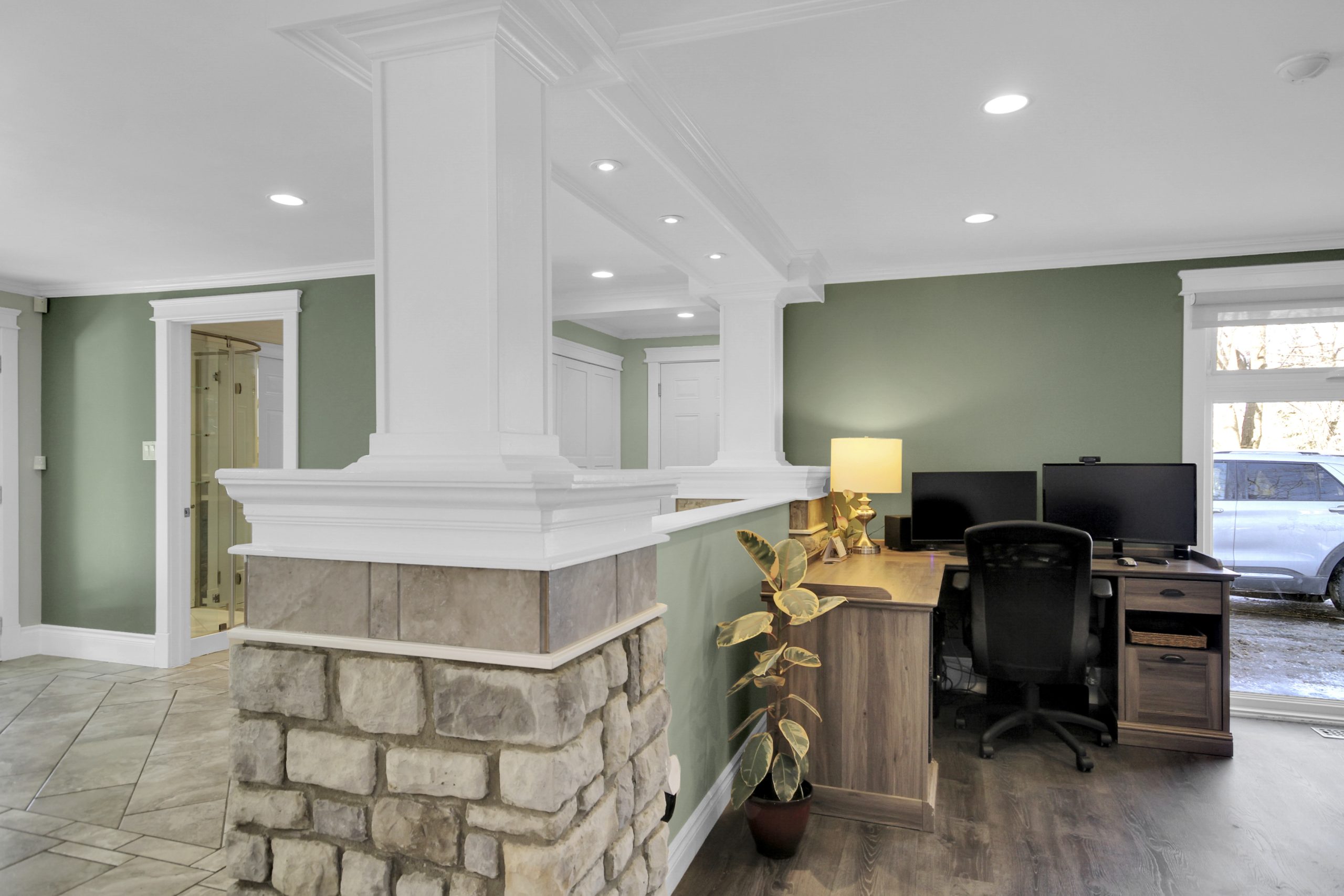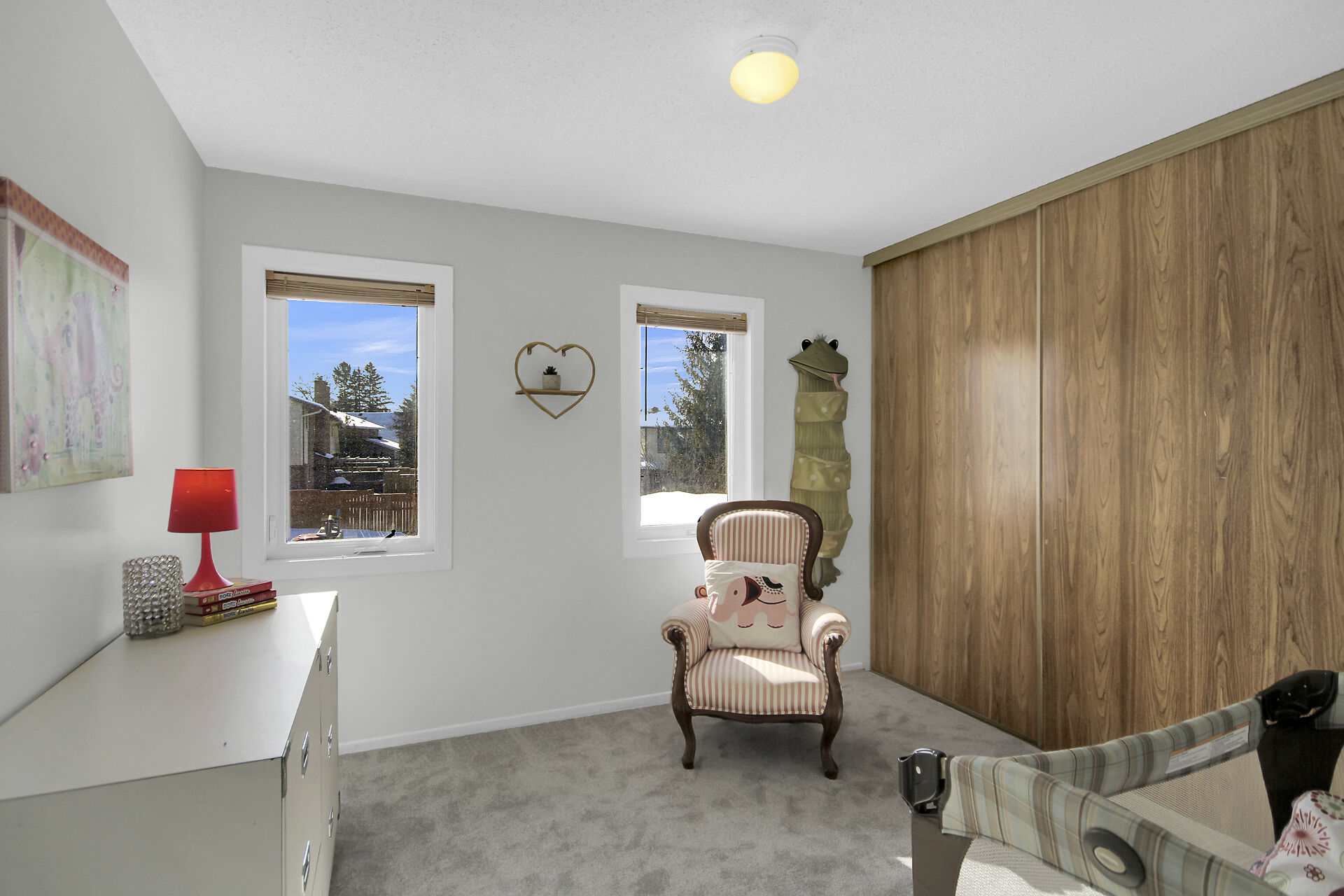


One of the most common decisions I help buyers make is whether they should purchase a newer home or an established home.
At first, the choice may seem simple. A newer home can offer contemporary finishes, modern layouts, and fewer immediate renovation projects. An established home may provide mature landscaping, larger lots, distinctive neighbourhood character, and improvements completed by previous owners.
But once buyers begin looking at actual properties in Kanata, Stittsville, and Nepean, the decision becomes much more nuanced.
A beautiful newer kitchen does not automatically make one property the better purchase. Likewise, an older home with dated finishes should not automatically be dismissed. I encourage buyers to consider the entire property: location, lot, construction, layout, maintenance history, operating costs, renovation requirements, lifestyle, and future resale appeal.
The goal isn’t to determine whether newer homes are universally better than established ones.
It’s to determine which type of home is better for you.
Here is how I help buyers compare their options throughout Kanata, Stittsville, and Nepean.
I Start With Lifestyle Before Looking at the Age of the Home
Before comparing construction dates, I want to understand how a buyer actually wants to live.
I ask questions such as:
- How much maintenance are you comfortable handling?
- Do you want a large backyard?
- Is a modern open-concept layout important?
- Would you rather renovate or move into something already finished?
- How important are mature trees and landscaping?
- Do you need a finished basement?
- Is garage space important?
- How long do you expect to own the property?
- Are schools, recreation, shopping, or commuting major priorities?
These answers often make the newer-versus-established decision much clearer.
Someone who wants a turnkey property with contemporary finishes may naturally lean toward newer construction.
Another buyer may happily accept an older kitchen if the property offers a beautiful mature lot in exactly the right neighbourhood.
Neither approach is wrong.
What I Mean by a Newer Home
When I discuss newer homes with buyers, I’m generally referring to relatively recent construction rather than only brand-new properties purchased directly from a builder.
A newer resale home may already have several advantages because the previous owner has completed improvements after construction.
Depending on the property, that could include:
- Fencing
- Landscaping
- Window coverings
- Deck
- Patio
- Finished basement
- Storage improvements
- Lighting upgrades
This is why I don’t evaluate a home based on age alone.
Two properties built in the same year can offer completely different value.
Why Buyers Are Attracted to Newer Homes
The attraction is easy to understand.
Newer properties often provide layouts designed around modern lifestyles.
Depending on the home, buyers may find:
- Open kitchens
- Large islands
- Ensuite bathrooms
- Walk-in closets
- Main-floor offices
- Convenient laundry areas
- Contemporary finishes
- Modern electrical capacity
- Energy-conscious construction
For buyers who don’t want to immediately renovate, that can be extremely appealing.
Newer Doesn’t Mean Maintenance-Free
This is an important distinction.
A newer home may require less immediate work, but every property requires maintenance.
Buyers should still understand:
- Roof condition
- Heating and cooling systems
- Windows
- Exterior components
- Appliances
- Drainage
- Landscaping
A property being relatively new doesn’t eliminate the need for proper due diligence.
I want buyers to evaluate the actual condition rather than relying on the year it was built.
Why Established Homes Remain So Attractive
Established homes offer a completely different set of advantages.
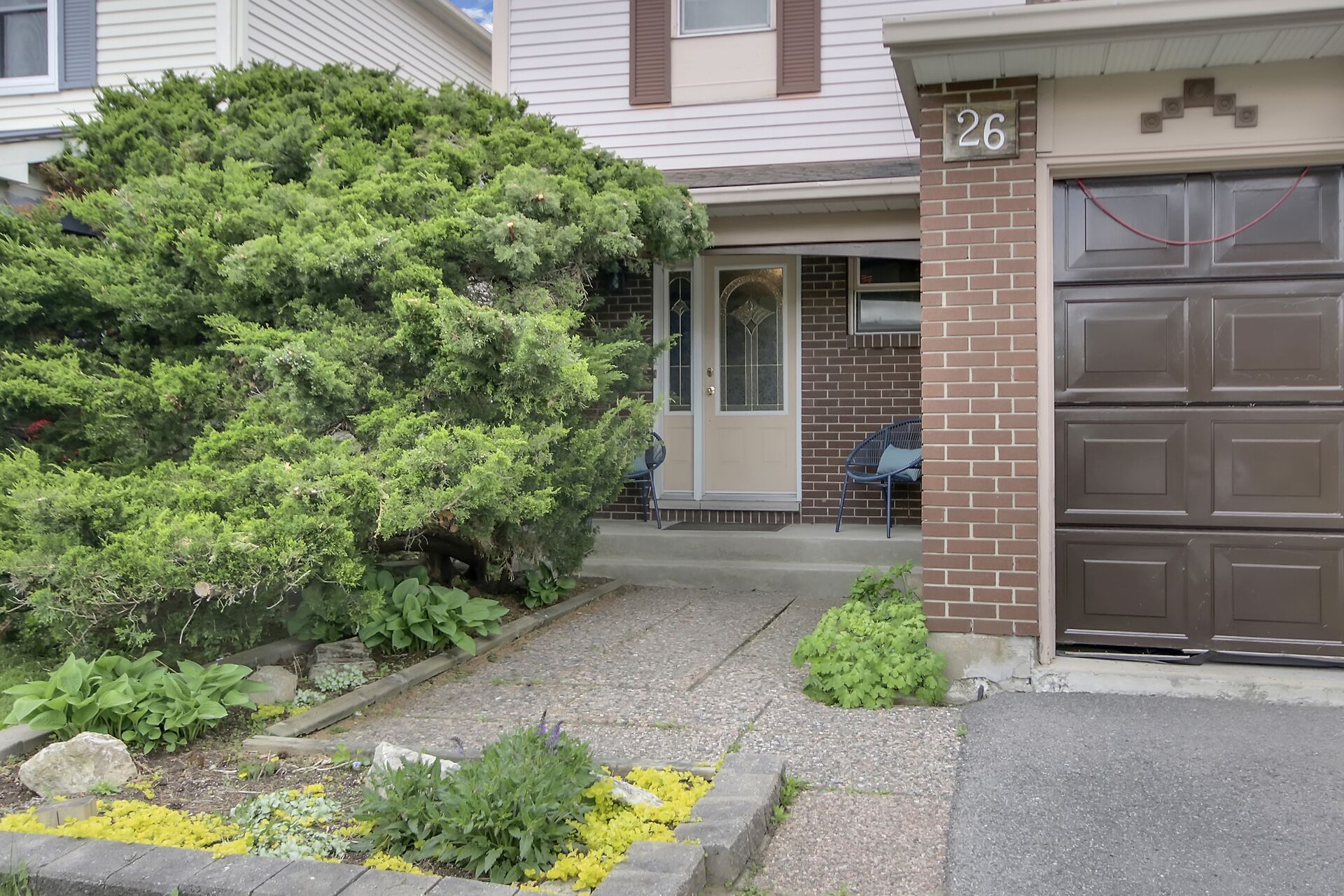
In many established neighbourhoods, buyers may find mature trees, developed landscaping, larger yards, and streets that have evolved over decades.
Homes themselves may also have features that are harder to find in some newer developments.
Depending on the property, this could include:
- Larger lots
- Wider driveways
- Mature gardens
- Traditional room sizes
- Unique architecture
- Established outdoor spaces
- Finished basements
- Previous renovations
Some buyers immediately feel more comfortable in established neighbourhoods because the surroundings feel settled.
Mature Landscaping Has Real Lifestyle Value
Trees take years to grow.
Gardens take years to establish.
When purchasing an established property, buyers may inherit landscaping that would take a significant amount of time and effort to recreate.
A mature backyard can provide:
- Shade
- Privacy
- Character
- Outdoor entertaining space
For someone who loves spending time outside, that can become a major deciding factor.
Comparing Newer and Established Homes in Kanata
Kanata is particularly interesting because buyers can encounter both established neighbourhoods and newer residential areas.
That makes it possible to compare very different housing experiences without necessarily leaving the broader community.
Established Kanata Homes
When I show established properties in Kanata, I often pay attention to features such as:
- Lot size
- Mature trees
- Parking
- Basement space
- Previous renovations
- Major mechanical updates
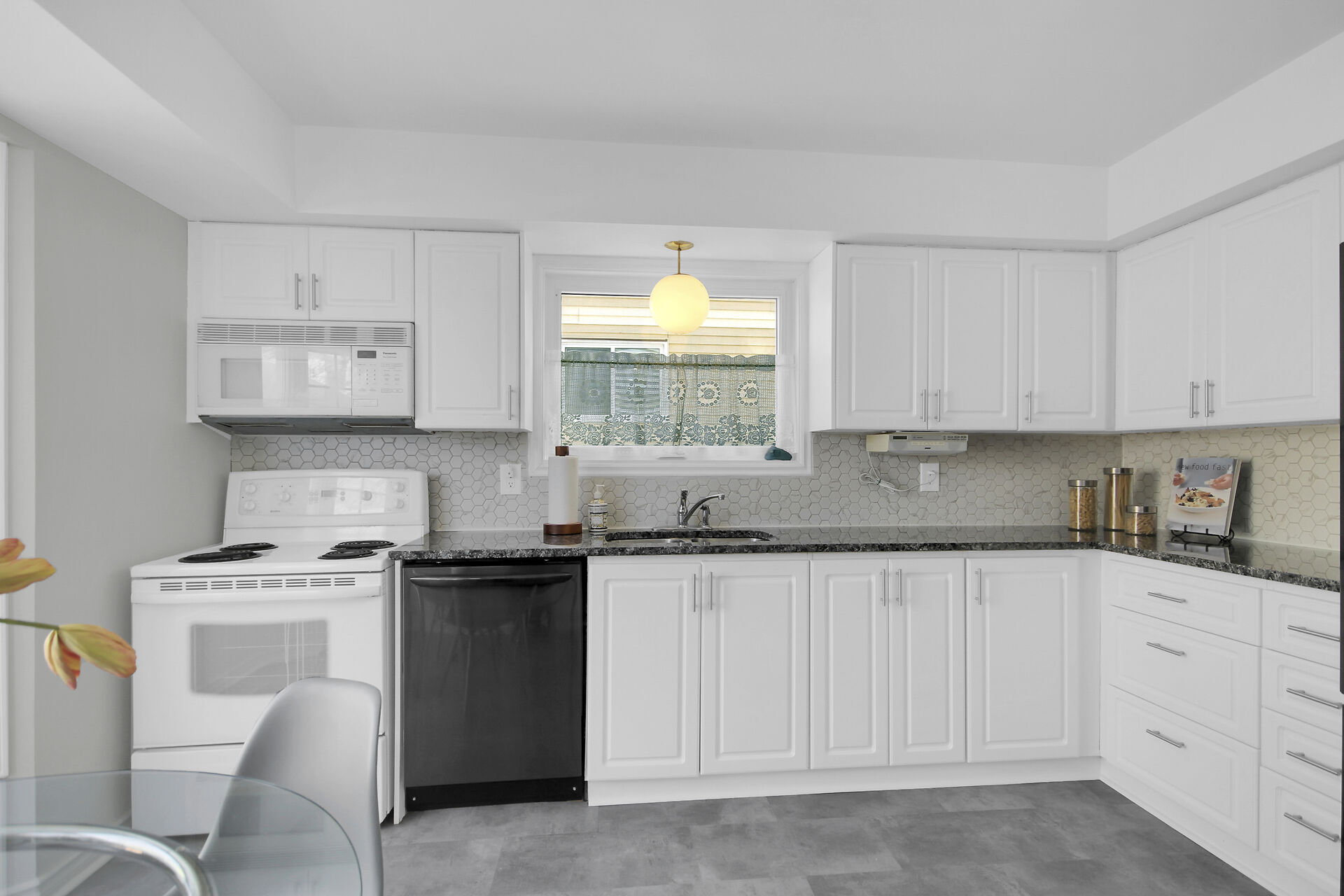
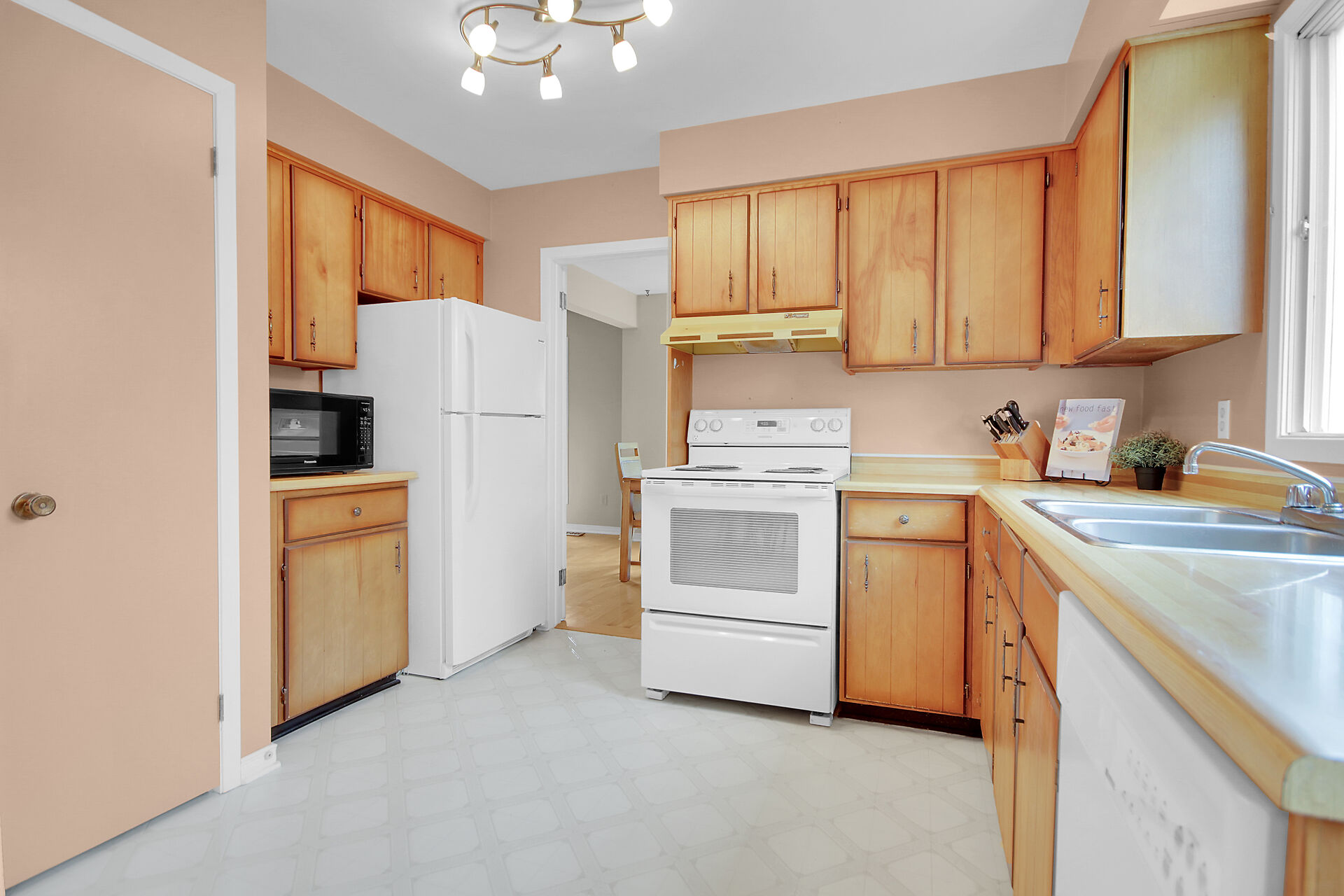
An older property may have a layout or exterior appearance that feels dated initially, but that doesn’t automatically mean it offers less value.
A great lot and strong location can be difficult to reproduce.
Newer Kanata Homes
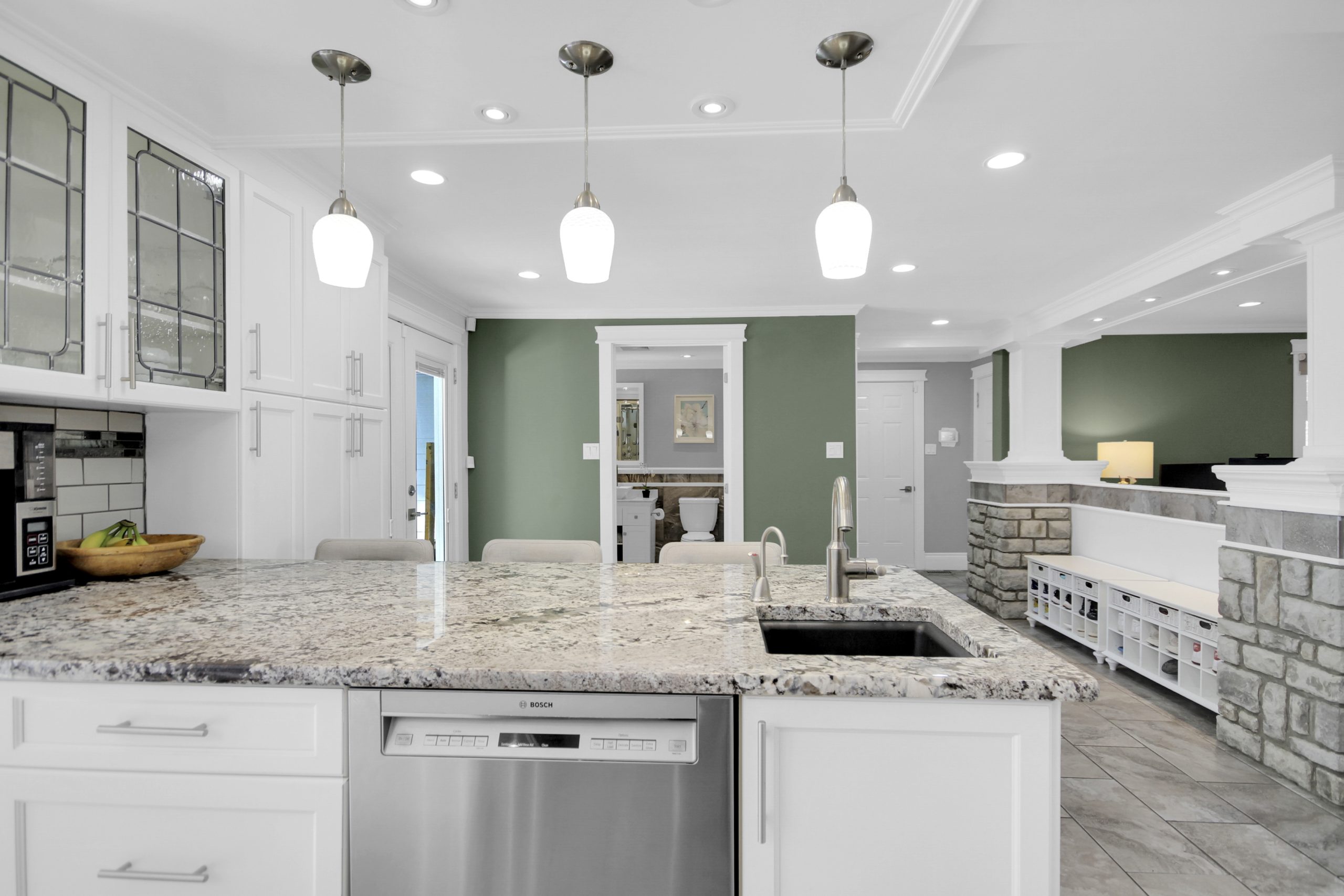
Newer Kanata properties may appeal to buyers who prioritize contemporary layouts and modern finishes.
Features buyers frequently appreciate can include:
- Large kitchens
- Open main floors
- Ensuite bathrooms
- Walk-in closets
- Flexible office space
- Modern lighting
For buyers working from home or balancing busy family schedules, these layouts can be particularly practical.
Location Within Kanata Can Matter More Than Age
This is something I emphasize repeatedly.
A newer home is not automatically the better home if its location does not fit your lifestyle.
I ask buyers to consider everyday travel to:
- Work
- Schools
- Shopping
- Recreation
- Family
- Major roads
A slightly older property in a location that saves significant travel time every week may ultimately improve your lifestyle more than a newer kitchen.
The house matters.
The location around it matters just as much.
Comparing Homes in Stittsville
Stittsville gives buyers another interesting mix of established and newer housing.
Some buyers are drawn to newer residential development, while others specifically want the mature feel of established areas.
The Appeal of Newer Stittsville Properties
A newer home may offer the contemporary appearance many buyers want from day one.
Depending on the property, there may be:
- Modern cabinetry
- Stone counters
- Open living areas
- Updated bathroom designs
- Flexible upstairs layouts
- Modern mechanical systems
This can reduce the immediate desire for renovation.
For buyers with young families or demanding careers, avoiding major projects after moving can be valuable.
Established Stittsville Can Offer a Different Feeling
An established property may provide mature landscaping, more developed outdoor spaces, and improvements already completed by previous owners.
I encourage buyers to look beyond interior finishes.
Ask:
What would it cost to recreate everything this property already has?
That may include:
- Finished basement
- Fence
- Deck
- Landscaping
- Storage
- Window coverings
- Exterior improvements
Those features have value even if they aren’t as visually exciting as a new kitchen.
Don’t Forget the Cost of Finishing a Newer Property
This is an area buyers sometimes underestimate.
A newer home may look beautiful inside, but the total ownership cost can continue after closing.
Depending on the property, you may still want to add:
- Fencing
- Landscaping
- Deck
- Patio
- Basement finishing
- Window coverings
- Storage systems
Individually, these projects may seem manageable.
Together, they can represent a significant additional investment.
I encourage buyers to compare the finished property, not simply the purchase prices.
Nepean Offers Strong Established-Home Choices
Nepean is particularly appealing to buyers who value established neighbourhoods and access to central and west Ottawa.
Housing varies considerably depending on the area, but many buyers searching here encounter properties that have been standing for decades.
That should not be viewed negatively.
A well-maintained established home can offer tremendous lifestyle value.
Older Nepean Homes Need to Be Evaluated Properly
When considering an established Nepean property, I encourage buyers to understand the major systems.
That can include:
- Foundation
- Roof
- Windows
- Electrical
- Plumbing
- Heating and cooling
- Insulation
An older home that has received thoughtful updates may be in excellent condition.
Another property of the same age may require considerable work.
The construction year alone does not tell me enough.
Renovated Established Homes Can Offer the Best of Both Worlds
Sometimes buyers don’t have to choose completely between old and new.
A renovated established property may combine:
The benefits of an older neighbourhood
with
the convenience of modern interiors.
For example, a home may offer mature trees and a generous lot while also having an updated kitchen, bathrooms, windows, and mechanical systems.
These properties can be extremely appealing because much of the modernization has already been completed.
The quality of that renovation still matters.
I Look Beyond Cosmetic Renovations
New flooring and fresh paint can make an older property look dramatically newer.
But cosmetic improvements shouldn’t distract buyers from larger questions.
I want to know:
- When was the roof replaced?
- How old are the windows?
- What is the heating system’s condition?
- Has the electrical system been updated?
- Is there evidence of moisture?
- Were major renovations completed properly?
A home can look new without actually having its major systems modernized.
Understanding the difference is essential.
Floor Plans Can Be One of the Biggest Differences
Newer and established homes often reflect different ideas about how people use space.
Many newer homes emphasize:
- Open-concept kitchens
- Combined living areas
- Large islands
- Ensuite bathrooms
- Walk-in closets
Established properties may have:
- Separate dining rooms
- Formal living rooms
- Defined kitchens
- Different bedroom configurations
Neither layout is automatically better.
I ask buyers to imagine their normal day.
Would an open main floor improve family interaction?
Or would separate rooms provide quieter spaces for work, children, or entertaining?
Function should come before trends.
Home Office Space Has Become More Important
Many buyers now need at least one dedicated workspace.
That changes how I evaluate floor plans.
A property doesn’t necessarily need a room labelled “office.”
A den, spare bedroom, finished basement area, or quiet main-floor room may work perfectly.
When comparing newer and established homes, I focus on whether the property can adapt to the buyer’s actual routine.
Lot Size Can Shift the Entire Decision
One of the strongest arguments for certain established properties is land.
A buyer may compare a beautifully finished newer home with a more dated established property and discover that the older home has a significantly more usable backyard.
That creates a real decision.
Would you rather have the modern interior immediately?
Or would you rather have more outdoor space and renovate gradually?
There is no universal answer.
But unlike flooring or cabinets, land usually cannot simply be added later.
Privacy Is Worth Considering
Newer neighbourhoods need time to mature.
Trees and landscaping may initially provide less privacy.
Established neighbourhoods may offer more natural screening.
For buyers who spend significant time outdoors, that difference can matter.
When touring properties, I encourage buyers to stand in the backyard for a few minutes.
Look around.
Think about how the space actually feels.
Energy Efficiency Can Favour Newer Construction
Newer homes may benefit from more recent construction practices, insulation, windows, and mechanical systems.
That can potentially improve comfort and efficiency.
However, buyers should not assume every established property is inefficient.
Many older homeowners have completed significant energy-related upgrades.
The correct comparison is between the specific homes, not simply their ages.
Maintenance History Can Make an Older Home More Attractive
One of my favourite things to see when evaluating an established home is a strong maintenance history.
A homeowner who has consistently maintained the property may have already replaced expensive components.
A well-cared-for older home can sometimes require fewer immediate expenses than a newer property that has been neglected.
Maintenance matters.
Property Taxes and Monthly Costs Need to Be Compared
Purchase price is only one part of affordability.
I encourage buyers to consider:
- Property taxes
- Utilities
- Insurance
- Maintenance
- Potential renovations
- Condo or association fees where applicable
A slightly less expensive older property may require significant upgrades.
A more expensive newer property may have fewer immediate projects.
The better financial decision depends on the total picture.
Renovation Budget Changes the Equation
Some buyers love renovating.
Others absolutely do not.
If you enjoy improving a property over time, an established home with good fundamentals may create an opportunity to personalize the space.
You may be able to improve:
- Kitchen
- Bathrooms
- Flooring
- Lighting
- Basement
- Exterior
But renovation costs need to be realistic.
I don’t want buyers purchasing a property because they believe every project will be inexpensive.
Before making a decision, we need to understand which improvements are essential and which can wait.
Don’t Overlook the Disruption of Renovations
Cost isn’t the only consideration.
Renovations also require time.
There may be:
- Contractors
- Dust
- Noise
- Temporary loss of rooms
- Delays
For some buyers, that is completely manageable.
For others, especially families with young children or demanding schedules, paying more for a finished home may be worthwhile.
Convenience has value too.
Newer Homes Can Still Offer Personalization Opportunities
Buying newer doesn’t necessarily mean accepting a generic property.
Owners can gradually personalize the home through:
- Lighting
- Built-ins
- Landscaping
- Feature walls
- Storage
- Outdoor living areas
Some buyers prefer starting with a modern foundation and customizing smaller details rather than undertaking major renovations.
Established Homes Can Offer Architectural Personality
Some buyers simply connect more strongly with older homes.
Maybe it’s the staircase.
Maybe it’s the fireplace.
Maybe it’s mature trees framing the front yard.
Architecture and atmosphere are difficult to quantify, but they matter.
A home is both a financial purchase and the place where you will live your daily life.
It’s reasonable to value character.
Schools, Parks, and Amenities Should Be Compared Too
When choosing between newer and established neighbourhoods, I encourage buyers to look beyond the property line.
Think about:
- Schools
- Parks
- Recreation
- Shopping
- Transit
- Walking routes
- Commuting
Established communities may have mature infrastructure and familiar amenities.
Newer communities may offer recently developed parks, schools, roads, and commercial areas, while additional amenities may continue evolving.
The right choice depends on what you need today and what you are comfortable waiting for.
Construction Around Newer Communities Can Be a Consideration
Some newer neighbourhoods continue developing after buyers move in.
That can mean nearby construction for a period of time.
For some homeowners, this isn’t an issue.
Others may prefer an established street where the surrounding environment is already largely complete.
I encourage buyers to explore the neighbourhood at different times rather than only viewing the individual home.
Future Resale Appeal Matters
Even if you expect to stay for many years, I still consider what future buyers may value.
Broadly appealing features can include:
- Functional layout
- Good bedroom count
- Parking
- Outdoor space
- Natural light
- Storage
- Convenient location
A home’s age does not determine its resale potential by itself.
A desirable established property can remain highly appealing.
So can a well-located newer home.
Don’t Buy Newer Simply Because It Feels Easier
New construction and newer resale properties can feel reassuring because everything appears fresh.
But I still want buyers to evaluate:
- Location
- Lot
- Layout
- Storage
- Parking
- Future needs
Fresh finishes should not compensate for a property that doesn’t fit your lifestyle.
Don’t Reject Established Homes Because of Paint and Flooring
The opposite mistake happens too.
Buyers walk into an older property, see dated colours or flooring, and immediately lose interest.
I encourage them to separate cosmetic problems from expensive problems.
Paint can change.
Flooring can change.
Cabinet hardware can change.
The lot, location, and fundamental structure are much harder to change.
I Help Buyers Compare the Cost of Getting Each Home Where They Want It
This is one of the most useful ways to compare two properties.
Imagine Home A is newer and costs more.
Home B is established and costs less but needs updates.
Instead of comparing only listing prices, I ask:
What would each property realistically cost to become the home you want?
Home A may require fencing, landscaping, and basement finishing.
Home B may require a kitchen update and new flooring.
Once those costs are considered, the financial difference may look completely different.
Kanata, Stittsville, or Nepean: Which Offers the Right Balance?
Each community can support a different buyer.
Kanata
Kanata can be excellent for buyers who want access to both established and newer neighbourhoods while remaining close to major west-Ottawa employment, shopping, recreation, and family amenities.
Stittsville
Stittsville can appeal to buyers who want a community atmosphere while choosing between newer residential development and more established areas with mature surroundings.
Nepean
Nepean can be particularly attractive to buyers who prioritize established neighbourhoods, mature lots, varied housing styles, and convenient access to other parts of Ottawa.
The right community depends on the buyer’s lifestyle rather than which area has the newest houses.
My Newer vs. Established Home Checklist
When I help buyers compare properties, I want them to think about the complete package:
- Location and commute
- Purchase price
- Lot size
- Privacy
- Layout
- Bedrooms and bathrooms
- Parking
- Storage
- Major systems
- Energy efficiency
- Renovation requirements
- Outdoor improvements
- Ongoing maintenance
- Neighbourhood amenities
- Future resale appeal
Once these factors are compared side by side, the decision often becomes much easier.
Final Thoughts
Choosing between a newer and an established home in Kanata, Stittsville, or Nepean isn’t about deciding which generation of housing is superior.
It’s about deciding what you’re willing to trade.
A newer home may provide modern layouts, contemporary finishes, and fewer immediate renovation projects.
An established property may provide mature landscaping, larger outdoor spaces, neighbourhood character, completed improvements, and opportunities to renovate according to your own taste.
Some buyers will happily sacrifice a larger backyard for a modern interior.
Others would rather purchase the better lot and renovate the kitchen later.
Both can be smart decisions when they match the buyer’s priorities.
When I help clients search in Kanata, Stittsville, Nepean, Barrhaven, Westboro, Bells Corners, Manotick, Richmond, Carp, Almonte, Carleton Place, Arnprior, Mississippi Mills, and throughout the Ottawa region, I don’t want them choosing a property simply because it is newer, older, larger, or more impressive at first glance.
I want them to understand what they are getting, what they may need to spend after closing, and whether the home will genuinely support their lifestyle for years to come.
That’s how I help buyers move beyond the age of a property and focus on what really matters: finding the right home.