

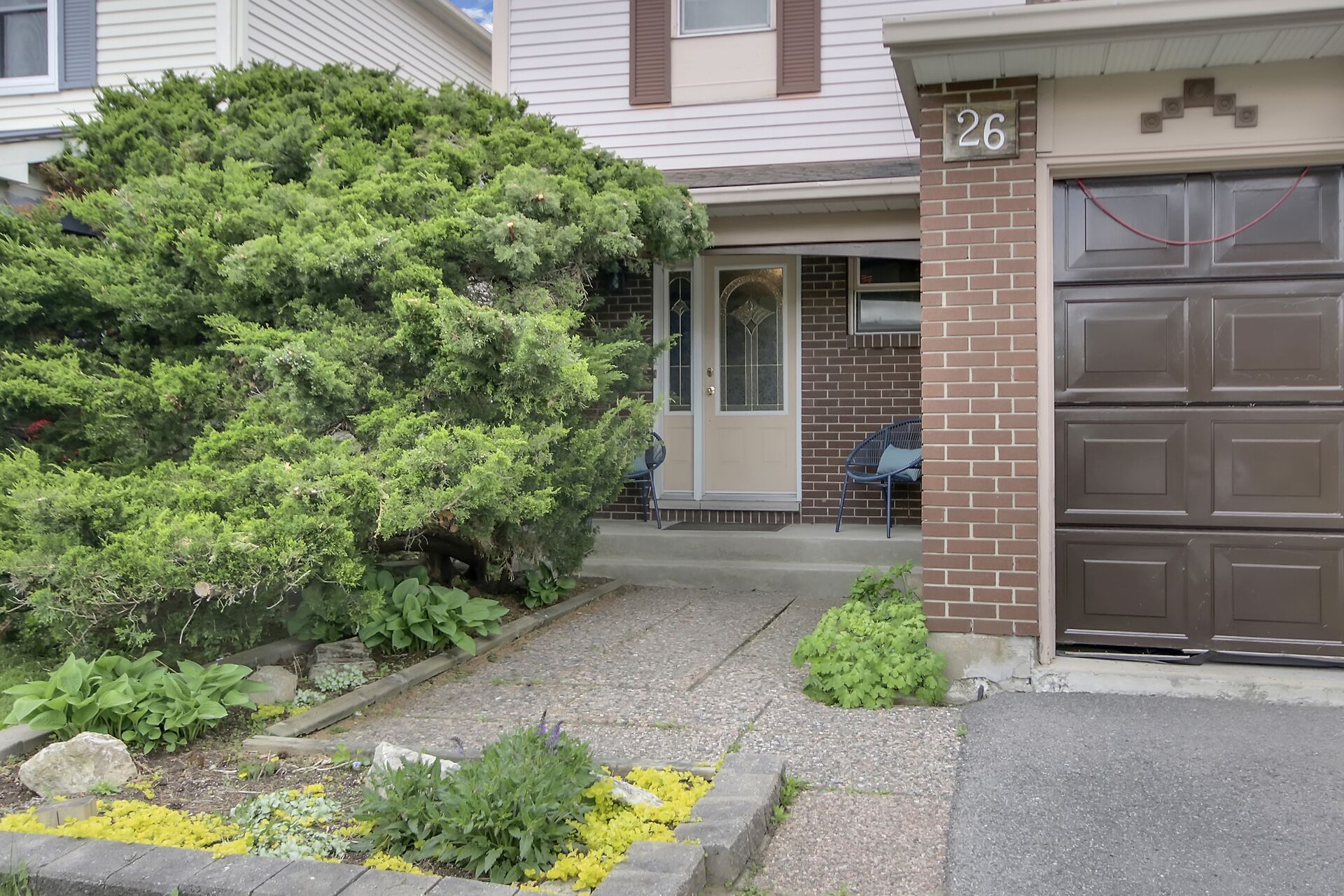
A starter home can be the perfect place for the beginning of a family’s journey. It may be the first property a couple buys together, the home where children are brought home for the first time, or the place where years of important memories are created.
But eventually, many families reach a point where the home that once felt perfect starts feeling a little too small.
Bedrooms begin to fill up. Storage becomes harder to manage. The dining room turns into a home office. Toys seem to spread into every room. The backyard that once felt spacious starts to feel limited. And suddenly, the question becomes difficult to ignore:
Is it time to move?
When I work with growing families in Kanata, Barrhaven, and Stittsville, I often find that the decision to leave a starter home is much more emotional than people expect. The family may love the neighbourhood. Children may be attached to their school or friends. The mortgage may feel comfortable. There may also be uncertainty about whether buying a larger home is financially realistic.
My role is to help families step back from the emotion and look at the situation clearly.
I don’t believe every family should automatically move the moment a house starts feeling crowded. Sometimes reorganizing, renovating, or finishing a basement can solve the problem. Other times, the home has simply reached the limit of what it can reasonably provide.
Here is how I help families determine whether it is time to leave their starter home and begin searching for the next one.
I Start by Asking What Is No Longer Working
The first question I ask isn’t:
“How big of a house do you want?”
It is:
“What is making your current home difficult?”
This distinction matters.
A family may think they need another 1,000 square feet when what they really need is one additional bedroom and better storage.
Another family may have enough interior space but desperately need a larger backyard.
Someone else may simply need a dedicated office so the kitchen table can become a kitchen table again.
I help families identify the actual problems before we start searching for solutions.
Common concerns include:
- Children sharing bedrooms
- Not enough bathrooms
- Lack of storage
- No dedicated home office
- Small backyard
- Limited parking
- No finished basement
- Poor layout for family life
- Not enough entertaining space
Once we know exactly what the problem is, we can determine whether moving is really necessary.
Your Starter Home May Still Have More Potential
Before recommending a move, I always consider whether the existing property can reasonably evolve.
Sometimes the home has untapped potential.
For example, a family might be able to:
- Finish the basement
- Convert a spare area into an office
- Improve storage
- Reconfigure furniture
- Renovate a bathroom
- Create better outdoor living space
If relatively manageable improvements solve the problem, moving may not be necessary yet.
But I also believe in being realistic.
If the family needs four bedrooms and the house has two with no practical expansion options, organizing the closets better is not going to solve the real issue.
The House Should Support Your Life, Not Control It
One sign that a starter home may have been outgrown is when the family spends a significant amount of energy working around the property.
Maybe every room serves several unrelated functions.
Perhaps the dining room is also an office, homework station, storage area, and play space.
Maybe seasonal belongings are stored in bedrooms because there is nowhere else to put them.
If daily life constantly requires creative compromises, the house may no longer be supporting the family properly.
A home should make life easier.
Bedroom Needs Change as Children Grow
Young children may happily share a bedroom.
As they grow, privacy and individual space can become more important.
I encourage families to think ahead rather than waiting until the situation becomes uncomfortable.
If two children share a room today, ask:
Will this still work in three years? Five years?
A larger home may provide enough flexibility to avoid another move shortly afterward.
Bathrooms Can Become a Bigger Issue Than Expected
One bathroom may work perfectly for a young couple.
Add two or three children and the morning routine can become very different.
Families often realize they need:
- Second full bathroom
- Ensuite
- Main-floor powder room
These additions can significantly improve daily life.
If adding another bathroom to the existing home would be complicated or expensive, moving may start making more sense.
Storage Problems Are Often a Sign of Growth
Families naturally accumulate belongings.
There are:
- Strollers
- Sports equipment
- Seasonal clothing
- Bikes
- Toys
- School supplies
- Holiday decorations
A starter home that once had plenty of storage can eventually feel completely overwhelmed.
Before moving, I help families determine whether the issue can be solved through organization or whether the house genuinely lacks sufficient storage.
Home Offices Have Changed Housing Needs
Remote and hybrid work have changed the way many families use their homes.
A property purchased before working from home became common may not have been designed with dedicated offices in mind.
Families may find themselves working from:
- Dining tables
- Bedrooms
- Basements
- Kitchen counters
That can work temporarily.
Over time, a dedicated workspace may become essential.
When helping families search for their next home, I often prioritize flexible rooms that can function as offices without sacrificing bedrooms.
The Backyard Can Be Part of the Decision
When children are very young, even a small backyard may seem perfectly adequate.
As children grow, outdoor space can become more valuable.
Families may want room for:
- Play equipment
- Trampoline
- Pool
- Garden
- Patio
- Outdoor dining
- Pets
If outdoor living is an important part of your lifestyle, the size and usability of the property should be considered carefully.
Parking Can Become More Important Over Time
A single driveway space may have been enough when the starter home was purchased.
Eventually there may be:
- Two vehicles
- Work vehicles
- Visiting relatives
- Teen drivers
Parking that once seemed adequate may become frustrating.
Garage space can also become increasingly useful for bikes, tools, sports equipment, and seasonal storage.
Think About the Next Ten Years, Not the Next Two
This is one of the most important conversations I have with growing families.
When buying the next home, I don’t want them solving only today’s problem.
The objective should be finding something that can adapt reasonably well over the next several years.
I ask buyers to think about:
- Future children
- Teenagers
- Home offices
- Aging parents
- Guests
- Storage
- Hobbies
- Pets
A home that has enough flexibility can prevent another move sooner than expected.
Why Kanata Works Well for Move-Up Families
Kanata continues to be a natural destination for families moving beyond their starter home.
Many buyers appreciate its combination of family-oriented neighbourhoods, recreation, shopping, employment, schools, and different housing options.
For families already living in Kanata, upgrading may not require leaving the community at all.
Moving Within Kanata Can Reduce Disruption
This can be a major advantage.
If children are already comfortable with their school, friends, sports, and routines, moving within Kanata may provide more space without completely changing family life.
Parents may also maintain familiar:
- Commuting routes
- Shopping
- Healthcare
- Recreation
Sometimes the easiest move is a larger home only a few neighbourhoods away.
Kanata Offers Different Levels of Housing
A family may have started in:
- Condo
- Townhome
- Smaller detached home
Their next purchase may be a larger detached property with:
- Additional bedrooms
- Finished basement
- Double garage
- Larger yard
- Home office
That progression can allow the family to gain space while remaining within a community they already enjoy.
Why Barrhaven Appeals to Growing Families
Barrhaven is another community where families can potentially move through different stages of homeownership without leaving the broader area.
Its housing variety can allow families to move from smaller properties into homes that better support their changing needs.
Family Functionality Is Important in Barrhaven
When helping move-up buyers search here, I pay particular attention to practical features.
I look at:
- Bedroom count
- Bathroom layout
- Kitchen size
- Basement
- Garage
- Storage
- Backyard
A beautiful home is important.
But a family home has to work at 7:30 on a weekday morning.
Function matters.
Barrhaven’s Amenities Can Simplify Family Life
Busy families often spend a lot of time moving between:
- School
- Work
- Groceries
- Sports
- Recreation
- Appointments
Living close to everyday amenities can save time.
When comparing homes, I encourage buyers to consider not only the property but how the location affects the family’s weekly routine.
Why Stittsville Is Popular With Move-Up Buyers
Stittsville can be particularly appealing to families searching for modern housing, additional space, outdoor recreation, and a strong community environment.
Families moving from smaller homes may find properties with features better aligned with their current stage of life.
Depending on the property, this might include:
- Larger bedrooms
- Open kitchens
- Office
- Finished basement
- Double garage
- More outdoor living space
Staying in Stittsville Can Preserve Community Connections
Like Kanata and Barrhaven, many families already living in Stittsville don’t necessarily want to leave.
They may simply need a different house.
Moving within the community can allow children to keep familiar friends and activities while giving the household the extra space it needs.
That can make the transition significantly easier.
Don’t Move Just Because Everyone Else Is
There can be pressure around upgrading.
Friends buy larger homes.
Neighbours move.
Families start wondering whether they are supposed to do the same.
I never recommend moving simply because it feels like the expected next step.
The current home may still work perfectly.
A larger mortgage, more maintenance, and higher monthly expenses do not automatically create a better lifestyle.
Move when the change solves real problems.
Financial Readiness Is Just as Important as Space
Wanting more room and being financially prepared to purchase it are separate questions.
Before searching seriously, I encourage families to understand:
- Current home value
- Mortgage balance
- Available equity
- Comfortable monthly payment
- Expected closing costs
- Moving costs
- Future maintenance
A move-up home should still leave the household with enough financial flexibility to enjoy life.
Don’t Spend Every Dollar the Bank Will Lend You
Mortgage qualification indicates how much financing may be available.
It doesn’t automatically tell you what monthly payment will feel comfortable.
Families still need room in the budget for:
- Childcare
- Activities
- Vacations
- Repairs
- Savings
- Emergencies
I would rather help a family buy a home they can comfortably enjoy than one that leaves them financially stretched every month.
Understand What Your Current Home Could Sell For
The decision to upgrade often depends heavily on equity.
Before making assumptions, I help homeowners understand how their property compares with current market activity.
That means looking at:
- Recent sales
- Competing listings
- Property condition
- Updates
- Location
A realistic estimate of the current home’s market position gives the family a much clearer foundation for planning.
Preparing the Starter Home Can Affect the Next Purchase
The stronger the sale of the current property, the better positioned the family may be for the next move.
Before listing, I help homeowners identify which preparation makes sense.
That may include:
- Decluttering
- Minor repairs
- Painting
- Cleaning
- Landscaping
- Furniture adjustments
I don’t automatically recommend major renovations.
The goal is to present the property effectively without overspending before leaving.
Sell First or Buy First?
This is one of the biggest questions move-up families face.
There is no single correct answer.
Selling First
Selling first gives the family certainty about how much equity is available.
That can make budgeting for the next purchase easier.
The challenge is needing to find a new home before the sale closes.
Buying First
Buying first provides certainty about where the family will move.
But it can create additional financial pressure if the current home takes longer than expected to sell.
I consider:
- Market conditions
- Family finances
- Risk tolerance
- Housing availability
- Closing flexibility
before helping clients determine which approach makes more sense.
Sometimes the Right Next Home Takes Time to Find
Move-up buyers often have more specific requirements than first-time buyers.
They may need:
- Four bedrooms
- Particular school area
- Specific lot
- Double garage
- Home office
- Finished basement
The more specific the requirements, the smaller the pool of suitable homes.
I don’t want families selling their current home without considering how difficult the next property might be to find.
Don’t Buy More Space Than You Need
Growing families sometimes go from feeling cramped to overcorrecting.
They begin searching for the largest house their budget allows.
I encourage them to focus on usable space.
A well-designed 2,300-square-foot home may serve a family better than a much larger property with awkward rooms.
You pay to:
- Buy
- Heat
- Cool
- Furnish
- Maintain
every extra square foot.
Make sure it adds genuine value to your life.
A Finished Basement Can Change the Equation
Before deciding that a home is too small, look carefully at the basement.
If it is unfinished but suitable for future development, it may provide the additional space needed for:
- Recreation
- Office
- Guest room
- Gym
- Storage
In some cases, improving the current home may delay the need to move.
In other situations, the basement still won’t solve the main problem.
Every family is different.
Renovation vs. Moving
Sometimes the real decision isn’t whether to move.
It’s whether to renovate.
I help homeowners compare:
Option A: Invest in the existing property
versus
Option B: Sell and purchase something better suited
Factors include:
- Renovation cost
- Available space
- Lot limitations
- Location
- Disruption
- Future resale
- Long-term needs
If the renovation creates the home the family wants, staying can make perfect sense.
If the renovation would still leave major compromises, moving may offer better long-term value.
Children’s Schools Can Influence Timing
Families often hesitate to move because they don’t want to disrupt school.
That’s understandable.
I encourage parents to think about:
- Current school
- Future school
- Transportation
- Children’s friendships
- Timing during the academic year
There is rarely a perfectly disruption-free moment.
But planning can make the transition easier.
Family Commutes Can Change Too
When the starter home was purchased, perhaps one parent worked downtown.
Years later, employment may be completely different.
One person may work in Kanata.
Another may work remotely.
Children may have activities throughout the city.
The best location today may not be the same location that made sense when the first home was purchased.
That’s why I reevaluate commute and daily routine from scratch.
Your Next Home Should Solve More Than One Problem
When moving, I want the new property to provide a meaningful improvement.
If the only difference is one extra bedroom but the family loses:
- Location
- Schools
- Backyard
- Financial flexibility
then the move may not represent a true upgrade.
I look for homes that improve several aspects of the family’s life simultaneously.
Look for Flexible Rooms
Families change.
A room may serve as:
- Nursery today
- Office later
- Teen bedroom
- Guest room
Flexible layouts can provide excellent long-term value.
I often prefer a home with versatile spaces over one where every room has a highly specific use.
Think About Teenagers Before You Have Teenagers
If your children are young, it can be difficult to imagine how differently the home will function when they are older.
Teenagers may want:
- Privacy
- Separate hangout space
- Additional bathroom access
- Storage
- Parking eventually
A finished basement or second family room may become far more valuable later than it seems today.
Multi-Generational Living Is Worth Considering
Some families may eventually support parents or relatives.
That doesn’t necessarily mean you need a complete in-law suite today.
But a flexible basement, guest room, or main-floor bathroom can create possibilities later.
Thinking ahead can increase the useful lifespan of the next home.
Outdoor Space Should Match Your Actual Lifestyle
Families often request a huge backyard.
I ask what they plan to do with it.
If the answer includes:
- Pool
- Sports
- Gardening
- Pets
- Entertaining
then extra space may genuinely matter.
If the family rarely spends time outdoors, paying a premium for an enormous yard may not be necessary.
Again, the goal is fit—not simply more.
The Emotional Side of Leaving a Starter Home
This is easy to underestimate.
The starter home may contain enormous sentimental value.
It’s where:
- Children took first steps
- Birthdays were celebrated
- Holidays happened
- Family traditions began
Selling can feel surprisingly emotional.
I never dismiss that.
A family can love a home deeply and still recognize that it no longer supports the next stage of life.
Moving forward doesn’t erase those memories.
I Help Families Create a Clear Decision Framework
When clients are unsure whether it is time to move, I often suggest evaluating four areas.
Space
Does the current home provide enough functional room?
Lifestyle
Does the location and property still support daily life?
Finances
Can the family comfortably afford the next step?
Future
Will the current home still work several years from now?
If several of these areas are no longer working, it may be time to begin exploring options.
Signs Your Starter Home May Still Work
Moving may not be necessary if:
- Storage can be improved
- Basement can provide additional living space
- Family still fits comfortably
- Location remains ideal
- Financially, staying provides meaningful advantages
There is nothing wrong with staying in a starter home longer than expected.
The right decision is the one that supports your family.
Signs It May Be Time to Move
A larger home may be worth considering when:
- Bedrooms are no longer adequate
- The family needs additional bathrooms
- Working from home is difficult
- Storage is permanently overwhelmed
- Outdoor space doesn’t support your lifestyle
- Renovations cannot reasonably solve the problems
- You expect to need substantially more space soon
The goal isn’t to wait until everyone is completely frustrated.
Planning ahead usually creates more options.
Kanata, Barrhaven, or Stittsville for the Next Move?
Each community can support growing families differently.
Kanata may be especially attractive for families wanting extensive west-end amenities, recreation, employment access, and opportunities to move into larger homes without leaving the broader community.
Barrhaven offers family-oriented neighbourhoods, extensive everyday amenities, recreation, and housing choices that can work through several stages of homeownership.
Stittsville can appeal to families looking for more room, modern layouts, strong community atmosphere, outdoor recreation, and convenient access to Ottawa’s west end.
The best choice depends on where your family actually lives its life.
Final Thoughts
Deciding when to leave a starter home in Kanata, Barrhaven, or Stittsville isn’t about reaching a certain age, income, or family size.
It comes down to whether your current home still supports the way you live.
A starter property can be wonderful for many years. But eventually, your family’s needs may change faster than the house can.
You may need another bedroom.
You may want more bathrooms.
You may need dedicated workspaces, better storage, a larger backyard, more parking, or a layout that simply makes family life easier.
When I help growing families throughout Kanata, Barrhaven, Stittsville, Nepean, Manotick, Richmond, Carp, Westboro, Bells Corners, Arnprior, Almonte, Carleton Place, Mississippi Mills, and the broader Ottawa region, my goal isn’t to convince them to move.
It’s to help them answer one question clearly:
Will staying or moving give our family the better next five to ten years?
Once that answer becomes clear, the real estate decision usually becomes much easier.