
No Comments

What Every Buyer Should Know About the Ottawa Real Estate Market in 2025

The Ottawa real estate market in 2025 looks very different from what we saw just a few years ago — and that’s a good thing. After the rapid price growth of the pandemic era and the cooldown that followed, the city has finally entered a more balanced, opportunity-rich phase. As someone who works with buyers across Kanata, Stittsville, Barrhaven, Nepean, and beyond, I see it every day: homes are still moving, but now the power is more evenly shared between buyers and sellers.

Whether you’re a first-time homebuyer or a seasoned mover, understanding what’s really happening in the market this year can make all the difference between overpaying and making a smart, long-term investment. So let’s talk about what 2025 looks like for Ottawa buyers — the trends, the opportunities, and the truths that matter most.


1. Ottawa’s Real Estate Market Is Maturing, Not Cooling

There’s been a lot of talk about a “slower market,” but that doesn’t tell the full story. What we’re seeing now in Ottawa isn’t a collapse — it’s stabilization.

After years of fast-paced bidding wars, listings in places like Kanata Lakes, Barrhaven, and Stittsville are now staying on the market just long enough for buyers to actually think before making a move. Prices have levelled out, interest rates have steadied, and both sides are finally able to negotiate in good faith again.

As a Realtor, I always remind clients that balance is healthy. This is the kind of market where educated buyers win. You no longer have to skip inspections or offer far above asking to compete. You can take a deep breath, look carefully, and buy confidently.


2. Interest Rates Are Finally Predictable Again

For most of 2023 and 2024, buyers were dealing with constant uncertainty — mortgage rates kept changing, and that made planning tough. But 2025 has brought something refreshing: consistency.

Interest rates have largely stabilized, which means buyers can lock in a mortgage rate and know what to expect over the next few years. That stability is especially helpful for first-time buyers, who often feel nervous about fluctuating costs.

If you’re entering the market now, I always recommend meeting with a trusted mortgage advisor early. Get pre-approved, explore fixed vs. variable options, and understand what each percentage point means for your long-term budget. A difference of even 0.25% can save you thousands over time.


3. Inventory Is Rising — and That’s Great News for Buyers

For a while, one of Ottawa’s biggest challenges was lack of inventory. Buyers were competing over the same few listings, especially in sought-after areas like Westboro, Nepean, and Kanata. But that’s changing.

In 2025, there are noticeably more homes available, and they’re spread across every category — detached houses, townhomes, condos, and even semi-detached properties in new developments. Builders who paused projects during the rate hikes have resumed construction, and homeowners who held off selling are now returning to the market.

For buyers, that means more choice and less pressure. You can compare options, explore multiple neighbourhoods, and negotiate from a position of strength instead of fear of missing out.


4. Suburban Communities Continue to Thrive

If there’s one consistent trend I’ve seen over the past five years, it’s this: Ottawa’s suburban west end keeps growing stronger.

Neighbourhoods like Kanata, Stittsville, and Barrhaven remain the backbone of family living. They’re safe, modern, and filled with schools, parks, and shopping. But what’s most interesting is how surrounding communities — Carleton Place, Almonte, Mississippi Mills, and Richmond — have stepped into the spotlight.

These smaller towns offer space, charm, and affordability, all within a 30–45 minute drive of downtown. For many of my clients, that combination of lifestyle and value is unbeatable. It’s no longer just about proximity to downtown Ottawa — it’s about quality of life.


5. New Construction Is Shaping the Market

Developers are responding to buyer demand for affordability and energy efficiency by building smarter, not just bigger. In 2025, energy-efficient homes and net-zero-ready builds are more common than ever. Buyers who value sustainability — especially younger families — are finding real opportunities in new communities popping up across Ottawa’s west end.

That said, I always remind buyers to read the fine print when considering new builds. Understanding upgrade costs, lot premiums, and build timelines is key. I help clients negotiate directly with builders and review purchase agreements so there are no surprises along the way.


6. Condos Are Back in Demand

For a few years, condos took a back seat as buyers prioritized space. But as affordability pressures continue, the condo market is making a strong comeback — especially in Nepean, Westboro, and downtown Ottawa.

Condos now offer incredible value for first-time buyers and downsizers alike. They come with modern amenities, manageable maintenance, and prime locations close to transit and entertainment. For investors, they also offer reliable rental potential as Ottawa’s population continues to grow.

The key is to evaluate each building carefully — look at reserve funds, condo fees, and management reputation. Not all condos are created equal, but the right one can be an excellent long-term choice.


7. Buyer Behaviour Is Smarter Than Ever

Gone are the days when buyers rushed to make offers within hours. In 2025, clients are doing their homework — and I love it. They’re asking smarter questions, researching schools, exploring transit routes, and considering future resale value.

I encourage every buyer to think beyond today:

  • What’s being built nearby?
  • How’s the traffic flow changing?
  • Are there plans for new schools or commercial hubs?

As a Realtor, I stay ahead of these trends by tracking city development plans, zoning changes, and builder announcements. This kind of local insight helps my clients buy strategically — not just emotionally.


8. Technology Is Changing the Buying Experience

The way we shop for homes has evolved dramatically. Virtual tours, video walkthroughs, and AI-powered MLS alerts make it easier than ever to find homes that match your lifestyle. But here’s what hasn’t changed — the need for local human expertise.

Algorithms can’t tell you how it feels to walk down a street at dusk, or how quiet a backyard is on a weekend. My clients often start online but rely on me to interpret what the data doesn’t show. I use these digital tools to make your search faster, but I pair them with hands-on guidance so you can make confident, informed decisions.


9. The Rental Market Is Influencing Buyer Decisions

Ottawa’s rental prices have climbed significantly over the last two years, especially in high-demand areas. In many cases, monthly rent is now comparable to a mortgage payment on a condo or townhome.

That shift is motivating renters to become buyers. I’ve worked with many clients this year who realized that instead of paying someone else’s mortgage, they could start building their own equity. The decision to buy isn’t just emotional anymore — it’s practical.


10. Long-Term Outlook: Ottawa’s Growth Is Just Beginning

Even with a balanced market, Ottawa continues to be one of Canada’s most stable cities for real estate investment. Our government base, growing tech industry, and expanding suburban infrastructure create a steady demand that rarely fades.

Unlike boom-and-bust cities, Ottawa moves at a sustainable pace — which makes it one of the safest long-term bets for homeowners. Whether you’re buying a starter townhouse in Stittsville or an investment condo in Westboro, your purchase is part of a city that continues to evolve and strengthen year after year.


11. How I Help Buyers Succeed in 2025

What I love most about working in today’s market is the strategy. There’s room to negotiate, time to think, and plenty of opportunity to find the right home instead of just any home.

When I work with buyers, I bring:

  • Detailed local market data (by neighbourhood, not just citywide)
  • A network of trusted inspectors, mortgage brokers, and lawyers
  • Experience navigating both resale and new construction
  • Negotiation strategies tailored to balanced conditions

Every buyer is different, and my job is to make sure you understand your options — and have the confidence to act when the right opportunity appears.


12. My Honest Advice for 2025 Buyers

If you’re thinking about buying a home in Ottawa this year, here’s my honest advice:

  1. Don’t wait for a “perfect” time. There isn’t one. The best time to buy is when you’re financially and emotionally ready.
  2. Focus on value, not hype. Choose a neighbourhood that fits your lifestyle and long-term goals.
  3. Work with someone who knows the local pulse. Ottawa’s market is made up of dozens of micro-markets — understanding them is key.
  4. Stay patient but proactive. Balance logic with intuition. When a home feels right and makes sense on paper, trust that combination.

Ready to Start Your 2025 Home Search?

If you’re ready to explore what Ottawa’s real estate market has to offer this year, I’d love to help. Together, we’ll find a home that fits your goals, your budget, and your future — with clarity and confidence every step of the way.

No Comments

My Complete Guide to Buying Your First Home in Ottawa’s West End

Buying your first home is one of life’s most exciting milestones — and also one of the biggest financial decisions you’ll ever make. When I work with first-time buyers in Ottawa’s West End, I see so many emotions bundled into the process: excitement, curiosity, and, at times, nervousness. And that’s completely normal.

Whether you’re looking in Kanata, Stittsville, Barrhaven, Nepean, or Carleton Place, the journey to becoming a homeowner can feel overwhelming at first. But with the right preparation, guidance, and perspective, it can also be one of the most empowering experiences of your life.

Over the years, I’ve helped dozens of first-time buyers across Ottawa move confidently from “Where do I even start?” to “We got the keys!” This guide will walk you through every major step — from saving your down payment to turning the key in your first front door.


1. Understanding What You Can Afford — The Foundation of a Smart Search

Before you even start scrolling through listings on REALTOR.ca, the first step is to determine what you can comfortably afford. I always tell my clients that clarity is power. Knowing your numbers upfront will save you time, reduce stress, and help you focus on homes that truly fit your budget and lifestyle.

Getting Pre-Approved for a Mortgage

A mortgage pre-approval isn’t just a formality — it’s your roadmap. It tells you how much a lender is willing to finance and what your monthly payments will look like. It also locks in an interest rate for a set period (usually 90–120 days), which can protect you if rates rise while you’re house hunting.

I often connect my buyers with trusted Ottawa mortgage brokers who can explain every option — from fixed to variable rates, insured vs. uninsured loans, and first-time buyer programs that can help reduce costs.

Budget Beyond the Purchase Price

A lot of first-time buyers focus on the list price alone, but your total cost of homeownership includes:

  • Property taxes (varies by neighbourhood)
  • Home insurance
  • Utility costs (hydro, water, gas, internet)
  • Routine maintenance and repairs

I help my clients build a complete cost picture so they’re not caught off guard later. It’s not just about buying the home — it’s about keeping it comfortably.


2. Defining What “Home” Really Means to You

When you’re buying for the first time, it’s easy to get swept up in aesthetics — the granite countertops, the big backyard, the perfect light fixtures. But I always encourage my clients to think about function and future value before style.

Ask yourself:

  • How long do I see myself living here?
  • Does this layout work for my lifestyle?
  • If my family grows, will the space still fit my needs?

In Ottawa’s West End, there’s incredible variety — from townhomes in Kanata Lakes to detached homes in Stittsville and starter bungalows in Nepean. Some neighbourhoods, like Carleton Place and Arnprior, offer more space for less money, while others like Barrhaven balance suburban convenience with quick access to the city.

Part of my role is to help you match what you want with what you need — and to spot the difference before you fall in love with the wrong house.


3. Exploring Ottawa’s West End Neighbourhoods

One of the biggest advantages of working with a local Realtor is understanding the character of each neighbourhood. Ottawa’s west end isn’t just one big area — it’s a collection of distinct communities, each with its own charm, demographics, and rhythm.

Kanata

Known for its family-friendly environment and tech industry employers, Kanata offers excellent schools, easy highway access, and a variety of homes from condos to luxury properties. Neighbourhoods like Bridlewood and Morgan’s Grant are especially popular with first-time buyers.

Stittsville

If you want that small-town feel with city convenience, Stittsville is perfect. It’s home to community events, great parks, and modern developments such as Fernbank Crossing. It’s also close to the Trans Canada Trail, a bonus for families who love being outdoors.

Barrhaven

Barrhaven has become one of Ottawa’s fastest-growing suburbs. With modern townhomes, transit options, and every store you could ever need, it’s an ideal spot for professionals and young families.

Nepean

Nepean is full of established neighbourhoods with mature trees, great schools, and larger lots. It’s perfect for those who want a balance between city access and suburban comfort.

Carleton Place & Arnprior

These communities, a little farther west, offer incredible value. You’ll find spacious properties, newer builds, and quieter surroundings — ideal for buyers who don’t mind a bit more commuting in exchange for more home.

When I work with buyers, I take the time to explore multiple neighbourhoods so they can feel the energy of each one — not just see the houses.


4. Searching Smart: How I Help You Navigate Listings

Once we’ve defined your budget and ideal location, we move into the fun part — the search. This is where my process goes beyond what you’ll find online.

I don’t just rely on MLS or REALTOR.ca listings; I also use industry networks to identify off-market opportunities or exclusive pre-listings that fit your needs. These are homes that may not yet be public, giving my buyers an advantage in competitive markets like Kanata or Stittsville.

I set up a custom search that alerts you the moment a new property hits the market that matches your exact criteria. That means no wasted time scrolling through irrelevant listings, and no missing out on new opportunities.

Together, we’ll analyze each home’s condition, layout, resale potential, and market value before we ever step inside — so every showing counts.


5. Touring Homes Like a Pro

Once we’re inside, I help my clients look beyond first impressions. It’s easy to fall in love with décor, but my job is to ensure you’re seeing what really matters — the structure, layout, and long-term potential.

We talk about things like:

  • How the home has been maintained
  • Age of major systems (roof, furnace, windows)
  • Natural light and energy efficiency
  • Noise levels and street traffic
  • Future resale appeal

I also share insight into red flags to watch for and improvements that could add value later. I’m not there to sell you a house — I’m there to help you make the smartest decision possible.


6. Writing a Strong, Competitive Offer

In Ottawa’s market, the difference between getting the home and missing out often comes down to strategy. Once you’ve found “the one,” I prepare a detailed market analysis of comparable sales in that neighbourhood so we know exactly what a fair and competitive offer looks like.

Together, we’ll discuss:

  • Offer price
  • Deposit amount and timing
  • Conditions (financing, inspection, etc.)
  • Closing date flexibility

I also communicate directly with the listing agent to get a sense of what the seller values most. Sometimes, it’s not just about price — timing and terms can make your offer stand out. My goal is always to protect your interests while positioning you as the most appealing buyer.


7. The Home Inspection and Final Steps

Once your offer is accepted, we move into the conditional period — an important safety net that ensures the home truly fits your expectations. I help coordinate the home inspection, review the results with you, and guide any renegotiations if needed.

We’ll also finalize your mortgage, arrange property insurance, and prepare for closing with your lawyer. I’m with you every step of the way — reviewing paperwork, answering questions, and keeping everything on schedule.

This is where many first-time buyers start to feel nervous, but I make sure the process stays transparent and stress-free. My clients often tell me that having someone manage the small details is what helped them actually enjoy the experience.


8. Closing Day — Turning the Key

Closing day is one of my favourite parts of being a Realtor. Watching my clients unlock the door to their first home — that’s the moment all the effort pays off.

Before closing, I double-check that your lawyer has received all necessary documents, your deposit has been applied, and your utilities and insurance are ready to transfer. I also provide a personalized closing checklist that covers everything from address changes to setting up waste collection and internet services.

And of course, I’m there for your final walkthrough, making sure everything is exactly as expected before you sign.


9. After You Move In — Staying Connected

My relationship with clients doesn’t end at closing. Many of my first-time buyers eventually become repeat clients, whether they’re upgrading, investing, or selling down the road.

I stay in touch to answer questions, share market updates, and connect you with trusted contractors, inspectors, and service providers. Buying a home is just the beginning of a lifelong relationship with your property — and I’m here to support you at every stage.


10. Common Questions I Hear from First-Time Buyers

How much do I need for a down payment?
In most cases, you’ll need a minimum of 5% of the purchase price. I’ll help you explore first-time buyer incentives, like the Home Buyers’ Plan (HBP) and First Home Savings Account (FHSA), which can make saving easier.

How long does the buying process take?
It depends on how quickly we find the right home, but typically 30–90 days from the start of your search to closing.

Should I buy a new build or a resale home?
It depends on your priorities. New builds offer warranties and modern layouts, while resale homes often come with established neighbourhoods and mature landscaping. I help you evaluate both.

What’s the biggest mistake first-time buyers make?
Falling in love with a home before understanding the finances. A clear budget and pre-approval always come first.


11. Why I Love Working With First-Time Buyers

There’s something special about helping someone buy their very first home. It’s more than a transaction — it’s a milestone. I see the excitement, the pride, and sometimes even the disbelief when clients realize, “This is really mine.”

What I enjoy most is guiding people through the process with honesty and patience. I take the time to explain every detail, answer every question, and make sure you feel empowered from start to finish. You only buy your first home once — it should be an experience you’ll look back on with joy.


Ready to Start Your Journey?

If you’re ready to begin your homeownership journey in Ottawa’s West End, I’d love to help you make it a success. Together, we’ll find a home that fits your lifestyle, your goals, and your future.

No Comments

Why I Love Helping Families Find Their Dream Home in Kanata and Stittsville

Every family has a story, and one of the most rewarding parts of my career has been helping families write a new chapter of theirs. Over the years, I’ve guided countless clients through the process of finding their perfect home in Kanata and Stittsville, two of Ottawa’s most vibrant and family-friendly communities. These areas hold a special place in my heart — not just because of their beautiful homes and amenities, but because of the families and memories built here every day.

In this blog, I want to take you behind the scenes of what I’ve learned helping families move to Kanata and Stittsville — why these areas are so special, how I guide clients through the process, and what it really means to find a home that fits both your lifestyle and your dreams.


1. Why Families Are Drawn to Kanata and Stittsville

When families first tell me what they want in a home, the list usually includes good schools, safe streets, great parks, nearby shopping, and a sense of community. Kanata and Stittsville deliver all of that — and more.

Kanata has grown from a quiet suburb into one of Ottawa’s most dynamic communities. It’s home to tech companies, excellent schools, and countless recreation options — from the Kanata Leisure Centre to Walter Baker Park and Centrum Shopping Plaza. The neighbourhoods here, like Bridlewood, Morgan’s Grant, and Kanata Lakes, balance convenience with calm, making them ideal for busy families who still crave peace at the end of the day.

Meanwhile, Stittsville has retained its small-town charm even as it’s grown. Families love the slower pace, the walkable Main Street, and the strong sense of local pride. There’s a feeling in Stittsville that you can’t quite replicate anywhere else — people look out for each other, and that’s something my clients often mention after moving in.

Both areas are close enough to downtown Ottawa for commuting, yet far enough to feel like their own thriving hubs. That balance is what makes them perfect for growing families.


2. The Emotional Side of Finding a Family Home

Buying a home isn’t just a financial decision — it’s deeply emotional. It’s where your children will grow up, where birthdays will be celebrated, and where everyday memories will unfold. That’s why I always approach the search process with empathy and patience.

When I meet new clients, I start by learning about their story — where they are now, what’s motivating the move, and what their vision of “home” looks like. For one family, it might mean a big backyard where their kids can play. For another, it’s a modern kitchen for hosting Sunday dinners.

As a Realtor, my job isn’t just to match people with listings — it’s to listen. That’s how I ensure we’re not just buying a house, but finding the right home.


3. Understanding Each Neighbourhood’s Personality

Every community in Kanata and Stittsville has its own personality, and I make it a point to guide clients through those subtle differences.

  • Kanata Lakes is known for its executive homes, golf course views, and proximity to top schools.
  • Bridlewood is full of young families and friendly cul-de-sacs, with access to parks and nature trails.
  • Emerald Meadows and Fernbank Crossing offer new builds with modern layouts — perfect for buyers who love a move-in-ready home.
  • Old Stittsville combines charm and history, where century homes sit alongside updated properties filled with character.

When I take families on tours, I often see their faces light up as they discover which neighbourhood “feels right.” It’s one of those magical moments where logic and emotion align — and you just know you’ve found the right place.


4. How I Personalize the Buying Experience

Every buyer’s journey is different, which is why I create a custom plan for each client. I start by discussing your budget, pre-approval, and timeline. Then, I curate listings that align with your exact needs, filtering out homes that don’t fit so you never feel overwhelmed.

Using my network, I also track off-market opportunities and early-release new builds — listings that often aren’t visible on REALTOR.ca. This is where local connections make a huge difference. Kanata and Stittsville have fast-moving markets, and knowing what’s coming before it hits the MLS can be the edge that helps a family secure their dream home.

Throughout the process, I handle everything from scheduling showings and analyzing market value to crafting offers that balance competitiveness with protection. I believe in transparency at every stage — no surprises, no pressure.


5. Why Schools and Community Amenities Matter

One of the biggest factors families consider when buying is access to good schools. Both Kanata and Stittsville have some of the top-rated schools in the Ottawa area, including Earl of March Secondary School, All Saints High School, and Sacred Heart High School.

Beyond academics, these communities are designed for connection and convenience. Families can spend weekends exploring the Trans Canada Trail, attending events at the Canadian Tire Centre, or supporting local farmers’ markets. There’s always something to do — whether it’s skating in the winter or enjoying outdoor concerts in the summer.

When clients tell me they want “a neighbourhood that feels alive,” this is exactly what they mean.


6. The Power of Preparation

Before starting the search, I always walk clients through financial preparation. That includes getting pre-approved, understanding closing costs, and setting realistic expectations around property taxes and maintenance.

Ottawa’s market, especially in west-end communities like Kanata and Stittsville, rewards prepared buyers. Homes that are priced right and in great condition can move quickly, and having your financing ready means we can act decisively without hesitation.

Preparation also builds confidence. My goal is for clients to feel empowered, not rushed, when the right listing appears.


7. My Approach to Negotiation

Real estate negotiation isn’t about winning — it’s about finding balance. When representing buyers, I work strategically to secure the best possible price and terms while ensuring your offer stands out.

That might mean adjusting the deposit, aligning the closing date, or removing unnecessary conditions that slow down the process. Over the years, I’ve built strong relationships with other Ottawa agents, and that collaboration often helps my clients secure properties even in competitive situations.

I treat every transaction as if it were my own home on the line — and my clients know that.


8. Seeing Families Settle In — The Best Part of My Job

No matter how many homes I’ve sold, the moment a family walks into their new home for the first time never loses its magic. Seeing kids race down hallways, parents start planning where the couch will go, or a couple pause in the kitchen just to take it all in — those are the moments that remind me why I love what I do.

For me, helping families move isn’t about closing deals; it’s about opening doors. Every key I hand over represents stability, comfort, and a fresh start.


9. Why Kanata and Stittsville Will Always Be in Demand

Looking ahead, I believe Kanata and Stittsville will continue to attract families for decades to come. The combination of excellent schools, new housing developments, and proximity to employment hubs makes them ideal for long-term living.

The west end of Ottawa has become a self-contained ecosystem — with everything from tech companies and shopping centres to outdoor recreation and community events. That means you can live, work, and play all within 20 minutes of home.

And for homeowners, that steady demand means strong resale potential. Buying in Kanata or Stittsville isn’t just about comfort — it’s about investing in lasting value.


10. Helping You Find Home

Every family I help reminds me that buying a home isn’t a transaction — it’s a journey. It’s about understanding what home means to you and guiding you through every decision until we find it.

If you’re ready to explore homes in Kanata, Stittsville, or Ottawa’s West End, I’d love to be part of your story. Let’s find the space where your family can grow, connect, and build memories for years to come.

No Comments

SELLING SMART

Putting your home on the market is both exciting and challenging. In Ottawa where the desirable setting already attracts plenty of interest, a smart and well thought out plan is essential for a smooth and profitable sale. To truly capitalize on what the market has to offer, it’s important to avoid common pitfalls. Here are some proven strategies for sellers to note in striving to maximize your price and get top dollar when preparing to list your home for sale.

Staging

Preparing a home for sale goes beyond cleaning and decluttering. It’s about creating an atmosphere that resonates with potential buyers. Its essential to refresh your existing setup. Staging plays a key role in shaping buyer perception and driving better outcomes. Thoughtful staging can make a difference in a variety of ways.

Creates a Lasting First Impression

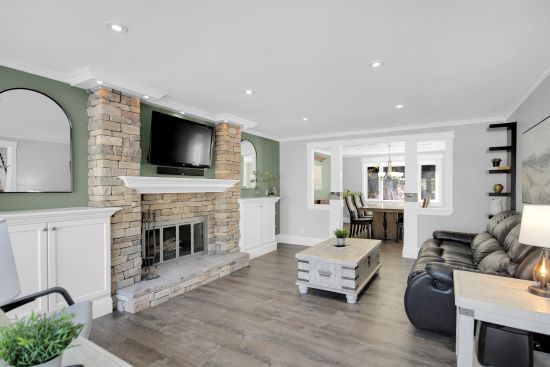
Bringing in carefully selected furnishings and décor that align with current trends, helps your home by appealing to a wide range of buyers. Use what you already have to reimagine the space—enhance flow, spotlight standout features and create a more welcoming feel. With a cohesive and stylish setup, staging can transform a property into a lifestyle buyers want to step into. Strategic tweaks like rearranging furniture or updating accessories, can open up rooms and make the space feel more inviting without starting from scratch.

Boosts Visual Impact

Homes that are professionally staged often look more polished in photos, grabbing attention on listing platforms where presentation is everything. Even without new items, staging can optimize the layout and reduce visual clutter, making your home shine in digital listings.

Accentuates Positives & Downplays Drawbacks

The right mix of furnishings can highlight architectural elements, draw attention to spacious layouts and give each room a defined purpose. Staging your home can refine the setup by repositioning or editing current items to enhance key selling points like showcasing natural light or emphasizing a cozy fireplace.With the right furniture and décor, less desirable aspects like smaller rooms or unconventional layouts can fade into the background. Simple adjustments such as changing the furniture arrangement or introducing a new color scheme can shift the focus away from flaws without major expense.

Faster Sales & Better Offer

Homes that are styled professionally often sell more quickly and command stronger offers due to their polished, move-in-ready appearance. Even small, thoughtful updates can significantly enhance buyer interest, boosting perceived value and helping your home stand out.

*Whether fully staged or thoughtfully styled with what’s already there, presentation has a powerful influence on how buyers connect with your home. Investing in staging at any level can be the difference between a good sale and a great one.

Pre-Sale Repairs

When preparing to sell a property, one of the tougher decisions can be whether to invest in repairs, especially if the true value lies in the land rather than the house itself. The right approach often hinges on market conditions and the scope of the work required. There are advantages & disadvantages to skipping repairs prior to listing your home for sale.

Advantages of Selling ‘As-Is’

Cuts Costs and Time

  • If the home is likely to be torn down or fully renovated, spending on repairs may not yield a return. Buyers focused on the land won’t see value in updated kitchens or new flooring.
  • By avoiding the repair process, you can list the property sooner and sidestep the delays and coordination that come with renovations.

Appeals to Buyers

  • These buyers are often more interested in location and lot size than the structure itself. An untouched home can be a blank canvas for their project.
  • Some buyers want to customize their future home and are willing to take on repairs themselves to gain equity or put their personal stamp on the property.

Avoids Over-Improving

  • If buyers plan to demo or significantly alter the home, repairs could go to waste. You may not see higher offers even after making updates, as buyers might disregard the improvements entirely.

Disadvantages of Selling Without Repairs

Potentially Lower Offers

  • Homes needing visible repairs tend to attract lower offers, as buyers factor in the costs of fixing up the property themselves.
  • Needed repairs give buyers a reason to request price reductions or ask for concessions.

Less Buyers

  • Not all buyers are comfortable with taking on projects. Many prefer move-in-ready homes and may skip your listing altogether.
  • Serious issues such as roofing, electrical, or foundation problems could cause financing problems. Lenders may be unwilling to approve mortgages if the home doesn’t meet minimum condition standards.

Legal Considerations

  • Sellers are typically required to disclose known defects. Being transparent can lower the home’s appeal, especially if the repairs are major or costly.
  • Ignored repairs especially those tied to structural integrity or safety can deteriorate further, affecting the property’s condition, insurability and marketability.

Strategic Home Pricing

Setting a listing price isn’t just about numbers it’s about timing, strategy and understanding the current market landscape. The best approach takes into account your local market trends, the unique features of your property and how quickly you need to sell. Whether you price high or low, each option comes with its own risks and benefits.

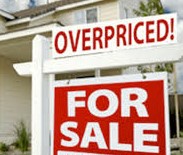
Overpricing

  • When demand outweighs supply, a higher price might still attract multiple offers, giving you room to negotiate.
  • A premium price can sometimes create a perception of exclusivity or quality especially in unique or high-end properties.
  • An inflated price may lead to longer days on market, fewer showings and eventual price reductions.
  • Some serious buyers won’t even look at overpriced listings, meaning you might miss out on well qualified prospects early on.

Underpricing

  • Pricing slightly below market value can spark competition and lead to multiple offers, potentially driving the price above asking.
  • Lower prices tend to attract more interest and showings, which can translate to a quicker sale and fewer carrying costs.
  • If the market doesn’t respond with strong interest, you could end up accepting less than your home’s true value.
  • Some buyers may assume there are flaws and come in with lower expectations or aggressive offers.

The Balanced Strategy

In most cases, a well-researched, market-informed price is the best way to go. Looking at recent comparable sales, current active listings and local demand helps set a realistic price that attracts serious buyers without underselling your home’s value.

Saying Goodbye

Parting with a home filled with memories can be deeply emotional. Whether you’re downsizing, relocating or moving on to the next phase of life, the journey of letting go isn’t always easy. With intention and care, the process can become a meaningful transition rather than a painful one. Remind yourself why you’re making this move whether it’s to be closer to loved ones, align with new financial goals or embrace a change in lifestyle. Reframing the decision as a step forward can help soften the sense of loss.

Ease into the Transition

Start depersonalizing early by packing away family photos, mementos, and sentimental pieces. This helps shift your mindset from seeing the space as your home to recognizing it as a property ready for its next chapter.It’s completely natural to feel nostalgia, sadness, or even grief. Take time to acknowledge these emotions. Journaling your favorite memories or reminiscing with family can be a comforting way to reflect and release. Preserve the Memories. Take photos of meaningful spots around the home maybe the cozy kitchen corner, the kids’ growth chart on the wall or your favorite view. Create a keepsake album to carry those moments with you as you move forward.

Look Towards The Future

Visualize what your future holds. Whether it’s a fresh start in a vibrant new neighborhood or simply more freedom in your lifestyle, imagining the opportunities ahead can help you stay focused on the positives. Stage with Fresh Eyes. Prepare the home with potential buyers in mind. Decluttering and neutralizing the space not only improves market appeal, but also helps you emotionally detach by seeing the house as something new, ready for someone else’s story. Celebrate the chapter before you close the door for the last time to mark the moment. Host a quiet dinner, share a toast or simply spend time in your favorite room reflecting on the joy it’s brought you. Celebrate the memories rather than mourn the change.

Welcome New Beginnings

Think about the happiness the home will bring its next owners. Imagining children laughing in the backyard or someone falling in love with the kitchen you once adored can bring comfort and closure. Its important to stay centred on the good when emotions run high, return to the bigger picture what you’re gaining, not just what you’re leaving behind. Each ending opens space for something new and this move is just the next step in your evolving story. Letting go doesn’t mean forgetting it means making room for growth. With the right mindset and small intentional steps, saying goodbye can become a celebration of what’s been, and an open door to what’s next.